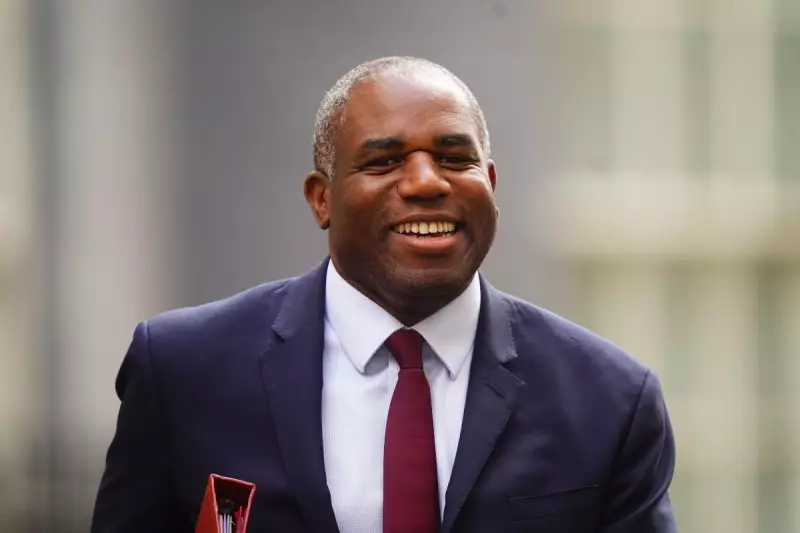
Justice Secretary David Lammy is set to unveil a major new strategy aimed at rescuing a justice system he describes as being on the "brink of collapse." The announcement, scheduled for Tuesday, follows a week of intense controversy over leaked plans to potentially scrap jury trials for some offences.
A System in Crisis: The Scale of the Backlog
The core driver for the urgent reform is a staggering Crown Court backlog, which currently stands at almost 80,000 cases. Lammy has issued a stark warning that, without decisive action, this figure could balloon to 100,000 by 2028. This crisis has dire consequences for victims, with some waiting three to four years for their case to be heard. Notably, the delays have contributed to over 10 per cent of adult rape cases being discontinued because victims withdraw from the process.
"Today I am calling time on the courts’ emergency that has left victims of the most serious crimes waiting years for justice and pushed the justice system to the brink of collapse," Lammy stated. He added, "This simply cannot go on – we must be bold. I will set out a fast and fair justice plan that gives victims and survivors the swift justice they deserve."

The Government's Three-Year Rescue Package
Central to the new plan is a £550 million three-year support package for victims and witnesses, formed in response to Sir Brian Leveson’s Independent Review. The Deputy Prime Minister confirmed this is merely one component of a broader suite of reforms to be detailed in Parliament.
The Ministry of Justice (MoJ) says Tuesday's announcement builds upon existing measures, including:
- £450 million per year in ongoing funding for the courts.
- Extended sentencing powers for Magistrates' courts, from six to twelve months.
- Almost £150 million in maintenance funding.
Further initiatives will focus on modernising court processes, creating faster routes for lower-level cases to free up the Crown Court, and an additional £34 million per year for criminal legal aid fees. To foster future talent, the government will also match-fund a number of pupillages for aspiring advocates.
The Jury Trial Question Looms Large
Despite the comprehensive financial package, the most contentious issue remains conspicuously absent from the official release: the future of jury trials. Last week's leaks suggesting some jury trials could be abolished sparked a furious backlash from lawyers, opposition politicians, and civil liberties groups.
Justice Minister Sarah Sackman faced urgent questions in the Commons last Thursday in Lammy's stead. She assured MPs that jury trials would remain a "cornerstone" for the most serious crimes but argued for realism, noting that 90% of cases are already handled without a jury. "Only three per cent of cases are heard by a jury," she explained.
Legal experts responded with cautious scrutiny. Richard Atkinson, past president of the Law Society of England and Wales, called it "an important day" but warned, "We await the government’s proposals on reducing jury trials to see if they go beyond Sir Brian Leveson’s recommendations, which were already an uncomfortable compromise." He also questioned the timing, given the awaited second part of Leveson's report.
Tom Franklin, chief executive of the Magistrates’ Association, expressed disappointment that magistrates' courts were barely mentioned. "To bring down the huge backlog in the crown courts, all parts of the courts system need to be resourced and supported," he stated, hoping for more detail on the magistrates' role in the broader plan.
All eyes will now be on Lammy's parliamentary address to see if the 'fast and fair justice' plan can navigate the political and legal storm surrounding jury reform while delivering the systemic change he promises.