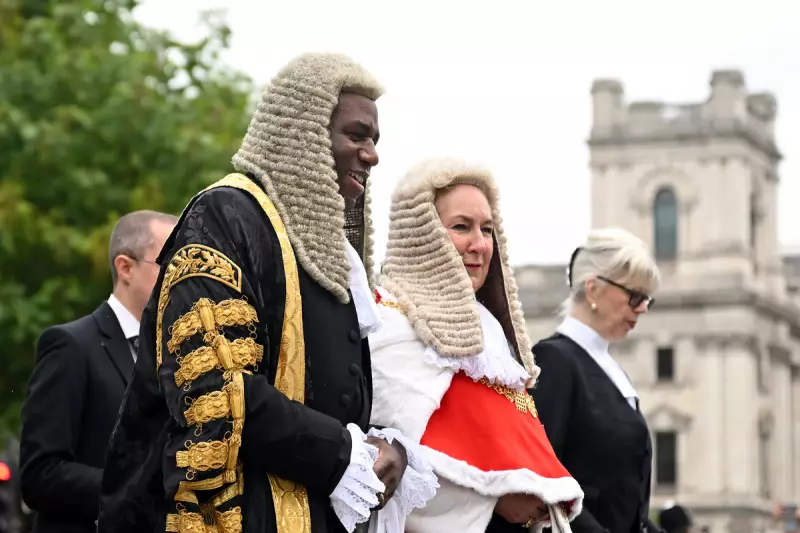
Radical Overhaul Proposed for UK Justice System
Justice Secretary David Lammy is spearheading a controversial proposal to eliminate jury trials for the majority of criminal cases in England and Wales. The deputy Prime Minister, who also heads the Ministry of Justice, aims to address the unprecedented backlog plaguing the court system through what he describes as necessary drastic action.
The Backlog Crisis Demanding Action
According to recent statistics, the criminal case backlog in the Crown Court for England and Wales reached a staggering nearly 80,000 cases by June 2025. The situation in magistrates' courts appears even more dire, with 361,027 cases awaiting resolution. These record numbers have created what many legal experts describe as a crumbling criminal justice system unable to deliver timely justice.
In a November briefing note seen by The Times, Lammy communicated to ministers and senior civil servants that there was "no right" to jury trials in the UK and that exceptional measures were required to tackle the mounting crisis. The proposal represents one of the most significant potential changes to the British legal system in generations.
Which Cases Would Keep Juries?
Under Lammy's proposed reforms, jury trials would be reserved exclusively for the most serious offences. Only cases involving murder, rape, or manslaughter would automatically receive jury consideration. Additionally, matters deemed to be in the "public interest" would maintain this traditional right.
For all other criminal matters, particularly those not classified as serious offences, trials would be conducted by a judge sitting alone. The Times analysis suggests this could apply to offences carrying sentences of up to five years, potentially affecting as many as 75 per cent of current trials.
The proposed changes would require primary legislation, with the government planning to introduce the necessary bills early next year. This timeline indicates the urgency with which the Ministry of Justice is approaching the backlog crisis.
Legal Profession Reacts With Alarm
The legal community has responded with substantial criticism to Lammy's proposals. The Law Society of England and Wales president Mark Evans condemned what he called an "extreme measure" that exceeds even the recommendations made by Sir Brian Leveson in his recent criminal justice system review.
Evans emphasised that "our society's concept of justice rests heavily on lay participation" and warned that allowing a single judge to decide cases with potentially life-changing consequences represents a dramatic departure from established legal values.
Bar Council Chair Barbara Mills KC questioned the fundamental premise of the reforms, stating clearly that "the criminal justice system is not in this crisis because of jury trials." She urged the government to focus instead on fixing systemic inefficiencies that could yield immediate improvements without constitutional changes.
The proposals also appear to contradict Lammy's previously stated positions. A social media comment from five years ago resurfaced in which he declared that "criminal trials without juries are a bad idea" and described jury trials as "a fundamental part of our democratic settlement."
This significant policy shift sets the stage for a substantial parliamentary battle and likely vigorous public debate about the future of British justice and how best to restore efficiency to an overburdened system.