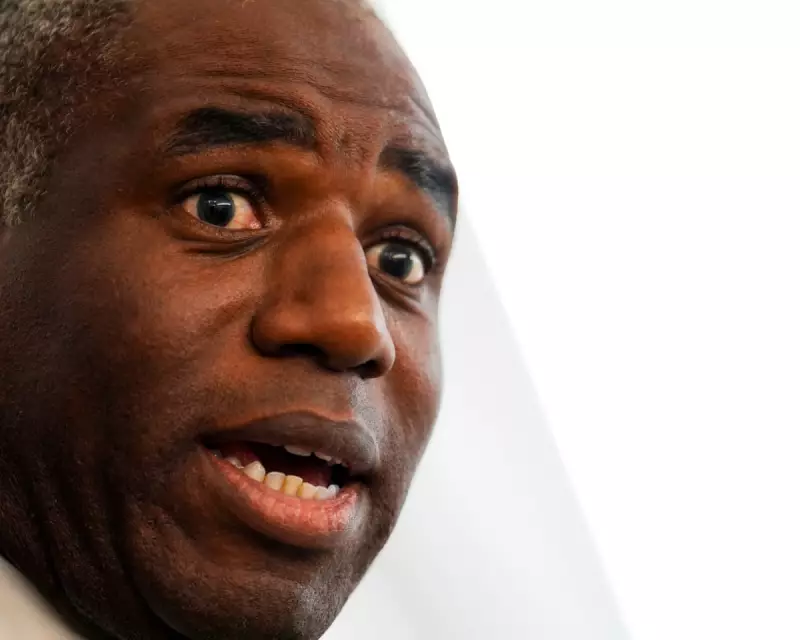
Justice Secretary David Lammy has declared a 'courts emergency' as he prepares to unveil radical plans to slash the use of jury trials and inject £550 million into victim support services. The move aims to tackle a crown court backlog projected to hit 100,000 outstanding cases by 2028, which Lammy says is pushing the justice system to the brink of collapse.
A Bold Plan to Clear the Backlog
In a statement to the Commons, Lammy outlined the scale of the crisis, stating that the current delays mean victims of serious crimes are waiting years for justice. "For many victims, justice delayed is often justice denied," he said. "Some give up on the process, while others have no confidence justice will be served... This simply cannot go on – we must be bold."
The centrepiece of the reform is a proposal to restrict jury trials primarily to the most serious offences, such as murder, rape, and manslaughter. This follows leaked plans suggesting juries would only be used for public interest crimes carrying potential prison sentences of more than five years. For other cases, including many fraud and financial offences, trials would be heard by a judge alone, especially where cases are deemed particularly technical or lengthy.

This approach builds on recommendations made by Sir Brian Leveson in July, which suggested diverting more cases to magistrates' courts or a new 'crown court bench division' with a judge and two magistrates. Lammy's Ministry of Justice document indicates the government intends to 'go further than Sir Brian’s to achieve maximum impact'.
Funding for Victims and Fierce Opposition
Alongside the procedural overhaul, Lammy has promised a £550 million investment over three years to support victims and witnesses. This funding is intended for services like counselling and practical advice for those preparing to attend court, addressing concerns repeatedly raised by the late victims' commissioner, Helen Newlove.
However, the plans have sparked immediate and fierce criticism from legal professionals. The Criminal Bar Association and the Bar Council have argued there is no need to curtail the right to a trial by jury. Keir Monteith KC warned the shift could create 'further unfairness and miscarriages of justice for black and minority ethnic defendants.' The Law Society of England and Wales said it had seen no 'real evidence' the measures would effectively reduce the backlog.
A System Under Immense Strain
The scale of the challenge is stark. Official figures show that nearly half of the cases in the current backlog involve alleged violent and sexual offences. Yet, only about 3% of criminal cases are currently heard by a judge and jury, highlighting the disproportionate strain these complex trials place on the system.
Incoming victims' commissioner Claire Waxman welcomed the focus on cutting delays but cautioned that the funding was not a 'silver bullet' for the sector's wider crisis. "It is 2025, yet I am sitting with victims who are staring down trial dates in 2030," she said. "Victims might be forgiven for asking if it is they who are being handed a sentence, not the offender."
As Lammy faces MPs to defend his strategy, the debate is set to intensify between the urgent need for systemic efficiency and the fundamental principles of the British justice system.