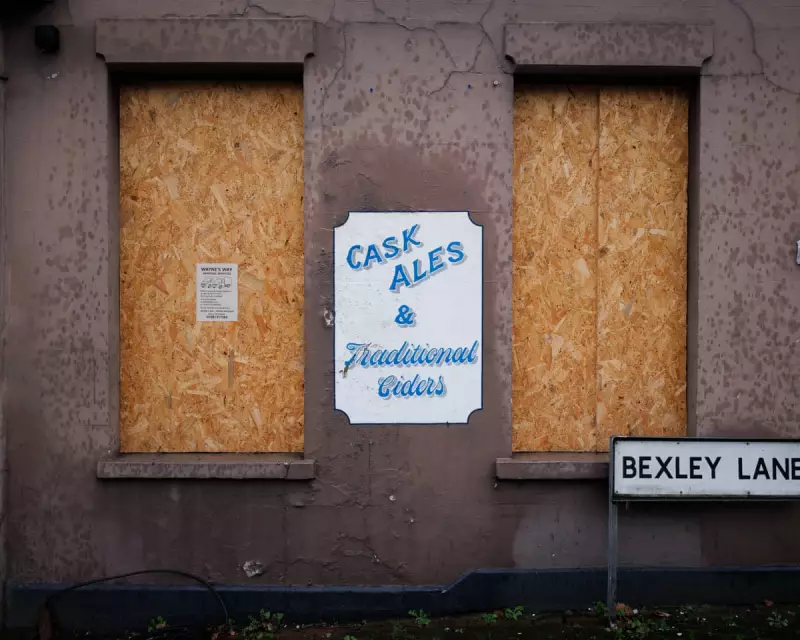
Labour's rapid retreat on planned changes to pub business rates, while resolving a brewing backbench revolt, has highlighted a concerning pattern of Treasury-driven policy mistakes, according to MPs. The government promised a fresh review of business rate valuations just weeks after the budget, following intense lobbying from the hospitality sector which warned of massive increases for pubs and hotels.
A Quick Fix for a Self-Inflicted Problem
While last summer's U-turn on benefit reforms required an open rebellion to force Downing Street's hand, and changes to policies on winter fuel payments and farm inheritance tax followed months of dissent, this latest reversal took a matter of weeks. One Labour MP acknowledged, "It would have been better if we hadn't done it at all, but at least it was reversed quickly." The MP credited the government for being in "proper listening mode," a stance undoubtedly encouraged by a coordinated group of over 30 Labour MPs who were ready to table an amendment to the finance bill.
A Recurring Theme of Treasury-Led Errors
This incident marks the fourth significant policy reversal in a short period, following the quiet announcement of changes to inheritance tax thresholds for farms just two days before Christmas. Many backbenchers see a common thread. "It is now pretty obvious that most of our political mistakes have originated in the Treasury," stated one MP, criticising a lack of political nous and proper sense-checking. The consequences of Chancellor Rachel Reeves's decision to scale back Covid-era business rate discounts, combined with sharp rises in rateable values for hospitality, appear not to have been fully anticipated.

Another MP pointed to a systemic issue of inadequate consultation. "Whenever it presses ahead with plans without the engagement of people with lived experience, or backbench MPs with their finger on the pulse, it ends up in the wrong place," they said, expressing hope that the government would learn to engage more thoroughly to get things right the first time.
Political Fallout and the Road Ahead
The political cost has been tangible, with some rural Labour MPs finding themselves barred from their local pubs over the Christmas break due to the outcry. The episode underscores a tension between the Treasury's drive to save money and the practical, on-the-ground impact of its decisions. While the swift U-turn has restored a degree of harmony, it raises persistent questions about the policy formation process within the new government and whether the same costly patterns of the past are being repeated.