Labour MPs Demand Action to Save Assisted Dying Bill from Lords Blockade
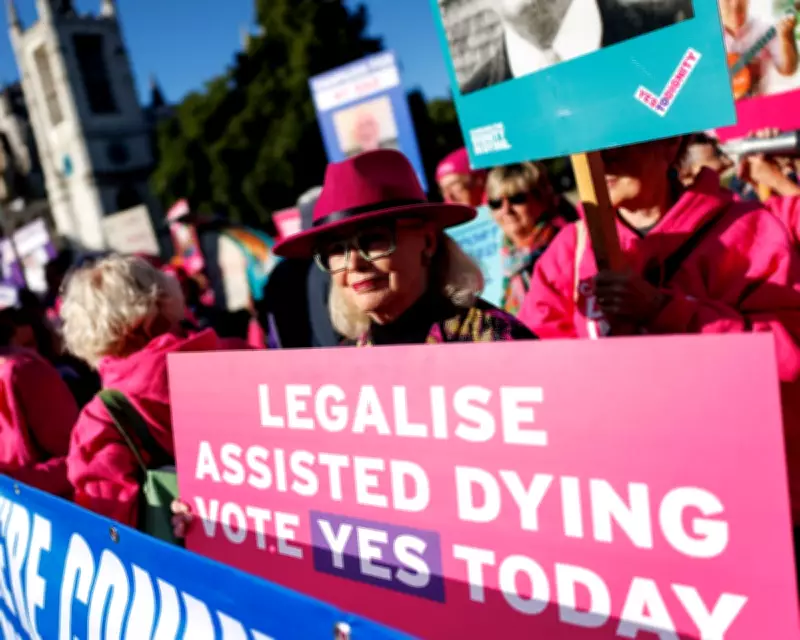
In a significant political move, more than 100 Labour MPs have called on Prime Minister Keir Starmer to intervene and prevent the House of Lords from obstructing the assisted dying bill. The legislation, sponsored by Labour MP Kim Leadbeater, is set to fail when the parliamentary session concludes in May, primarily due to peers employing extensive amendments and prolonged debates that have stalled its progress.
The MPs argue in a private letter to Starmer that a small number of peers are using procedural tactics to block the bill, undermining democratic principles. They emphasize that the House of Commons, as the elected chamber, should have the final say on this matter, which enjoys substantial public support.
Procedural Delays and Democratic Concerns
The assisted dying bill, which passed the Commons in June last year with a majority of 23, has faced over 1,200 amendments in the Lords. Despite more than 100 hours of debate, only half of these amendments have been addressed across 11 days. With just three more days allocated before the session ends, supporters deem it effectively impossible to complete the necessary stages, including the report stage and third reading.

Opponents of the bill deny deliberate filibustering, claiming the legislation is unfit for purpose. However, proponents, including Lord Falconer, the bill's sponsor in the Lords, assert that without a change in tactics by opponents, there is no hope for it to become law this session.
Calls for Government Intervention and Parliamentary Act
The Labour MPs' letter suggests that Starmer could ensure the bill returns to the Commons in the next session after the king's speech, without sacrificing government neutrality on the issue. If it passes again, supporters could invoke the Parliament Act of 1911 to bypass further Lords obstruction, marking the first time this act would be used for a private member's bill.
Additionally, ministerial aides and other MPs from parties including Conservatives, Liberal Democrats, Greens, Plaid Cymru, and Reform have joined the appeal, bringing the total number of signatories to approximately 150. They argue that a minority of peers are responsible for the majority of amendments, slowing progress to a glacial pace.
Starmer's Stance and Broader Implications
Keir Starmer, a known supporter of assisted dying, has so far been reluctant to interfere, stating that it is a matter of conscience for parliament to decide. In response to the calls, he emphasized that scrutiny is the responsibility of the Lords and that any legislation must be workable and enforceable.
Critics, such as Labour MP Jess Asato, warn that reviving the bill would entrench its flaws, potentially harming vulnerable people. Meanwhile, supporters like Lib Dem MP Vikki Slade describe the potential failure as a travesty for democracy and a tragedy for those awaiting the legislation.
This development highlights ongoing tensions between the Commons and Lords, with significant implications for democratic processes and end-of-life care policies in the UK.