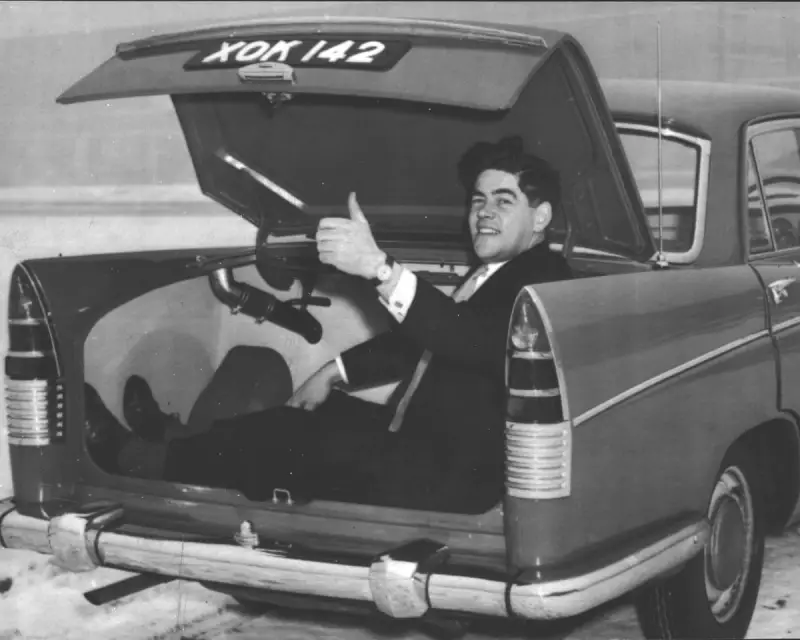
The political world is mourning the loss of Keith McDowall, the respected Labour Member of Parliament for North East Durham, who has died at the age of 77. His passing marks the end of a long and dedicated career defined by quiet diligence and a profound commitment to his constituents and socialist principles.
A Life Dedicated to Public Service
Keith McDowall's journey in politics was characterised by steadfast loyalty and behind-the-scenes influence. Born in 1948 in the very constituency he would later represent, his roots in the community were deep and enduring. He served as the MP for North East Durham for an impressive 27 years, from the 1997 Labour landslide until his retirement ahead of the 2024 general election.
Described by colleagues as a "quiet force," McDowall shunned the media spotlight, preferring to focus on the granular work of representing his community. His approach was that of a classic constituency MP, tirelessly advocating for local issues from the decline of traditional industries to improvements in public services. He was a steadfast member of the Socialist Campaign Group and a vocal critic of the Iraq War, aligning his actions firmly with his left-wing convictions.
Architect of Social Policy and Constituency Champion
While not a household name, McDowall's impact on national policy was significant. He served as Parliamentary Private Secretary (PPS) to several senior ministers, including John Denham at the Department for Innovation, Universities and Skills. His most notable contribution came as PPS to Harriet Harman during her tenure as Minister for Women and Equality.
In this role, he was a crucial architect and advocate for the groundbreaking Equality Act 2010, a landmark piece of legislation that consolidated and strengthened anti-discrimination laws across Britain. This work cemented his legacy as a pragmatic and effective operator within the Labour movement, instrumental in advancing social justice.
Beyond Westminster, his life in County Durham was central to his identity. He was a devoted family man, survived by his wife Margaret, his children, and grandchildren. A passionate supporter of Sunderland AFC, his local ties were never in doubt. Even in retirement, he remained engaged with community projects, embodying the principle of lifelong service.
A Lasting Legacy in British Politics
The tributes that have followed his death paint a consistent picture of a politician of immense integrity and kindness. Former colleagues and political opponents alike have praised his decency, his unwavering principles, and his dogged work ethic. In an era often dominated by soundbites and self-promotion, Keith McDowall represented a different kind of politics: one based on substance, loyalty, and a genuine connection to the people he served.
His career offers a powerful reminder of the importance of the often-unsung work done by backbench MPs. The Equality Act 2010 stands as a lasting testament to his influence, while the respect he commanded across the political spectrum speaks volumes about his character. Keith McDowall's death is not just the loss of a former MP, but of a dedicated public servant whose quiet force helped shape a fairer Britain.