Labour Confronts Severe Backlash from Black Voters Over Justice and Equality Policies
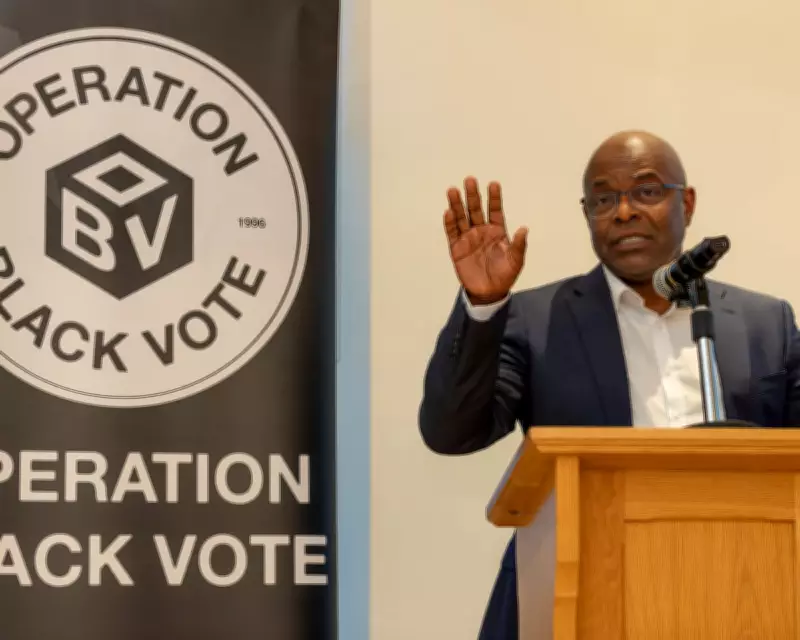
Labour is facing a critical crisis with Black voters, as highlighted by David Weaver, chair of Operation Black Vote (OBV). Weaver, a former government adviser, issued a stark warning that the party is in "deep trouble" and risks being perceived as "accepting the normalization of racism." This sentiment stems from Labour's proposed jury reforms and sluggish advancements in addressing racial disparities, which threaten to erode support in key marginal constituencies.
Jury Reforms and Racial Disproportionality in the Justice System
Weaver emphasized that Labour's plans to restrict jury trials would exacerbate racial disproportionality within the justice system. He argued that such measures "heighten, normalize, and embed" existing inequalities. With only 1% of judges in England and Wales being Black, replacing juries with judge-only trials would result in overwhelmingly white judicial oversight. This move, according to Weaver, attacks democratic principles by reducing public oversight over state power, thereby challenging the fundamental tenets of democracy.
He pointed out the racial reality: Black individuals are disproportionately subjected to stop-and-search procedures, arrests, charges, remands, and longer sentences. The lack of Black representation in the judiciary compounds these issues, making jury reforms a focal point of concern for Black communities.

Slow Progress on Equality and Labour's Stance
Weaver criticized the "lack of urgency" in advancing the equality bill, which aims to tackle racial and disability pay gaps by requiring companies with over 250 employees to publish salary data. Despite Keir Starmer's November pledge to "stand up to racism," Weaver noted that slow progress on issues like the Windrush scandal and racial pay gaps, coupled with a "moral panic" over migration, has dampened sentiment among Black voters.
He expressed frustration, stating that Black voters feel uncertain about Labour's values, with many saying, "We don't know what Labour stands for any more." Weaver observed that Labour tends to align with Black communities when out of power but reverts to traditional approaches as they near government, leading to disappointment among those who had high hopes for their leadership.
Shift in Activism and Political Engagement
In response to feeling "really let down by Labour" and uninspired by other parties, Black voters are shifting focus toward grassroots activism. Weaver noted that OBV, which has campaigned since 1996 for greater Black representation in public life, is now emphasizing regional efforts, such as encouraging people to become councillors and developing leadership pipelines for younger individuals. This marks a move away from solely focusing on parliamentary representation.
He highlighted that in the last general election, OBV struggled to persuade unregistered voters to participate, indicating Labour's precarious position. Weaver warned that without meaningful engagement, Labour risks losing the support of Black voters, who were more likely than any other group to back the party in 2024.
Broader Implications and Ethical Leadership
Weaver also addressed the issue of representation without equity, criticizing what he calls "Black-adding," where tokenistic inclusion legitimizes institutionalized racism. He stressed that ethical leadership is essential, as mere representation by people of color can sometimes enable harmful policies.
The Ministry of Justice was approached for comment but did not respond. As Black communities increasingly turn to local and grassroots initiatives, Weaver's warnings underscore the urgent need for Labour to address racial inequalities and rebuild trust to avoid further erosion of support in critical electoral areas.