In an era where community ties are fraying, the humble children's birthday party has emerged as an unlikely bastion of real-world social connection. For parents across the UK, these events are a familiar blend of joyful chaos, sugar-fuelled mania, and exhausted small talk, yet they may hold the key to combating societal isolation.
The Chaotic Reality of Modern Celebrations
The author reflects on the evolution from a serene first birthday celebration for 70 guests at a pub – which felt like a tribute to the parents – to the frenetic, child-centric events that now dominate the family calendar. With two children in the social whirl, weekends are a relentless cycle of present-buying, gift-wrapping crises, and forgotten cards.
The gastronomic landscape of these parties is a particular battleground. While the standard fare of sweets and cake prompts visible concern for dental health, the alternative – a sugar-free party – is deemed a potential offence. A rare highlight remembered fondly was a party featuring a coffee cart for beleaguered adults, a moment of pure, unadulterated parental joy.

A Social Laboratory for Children and Adults Alike
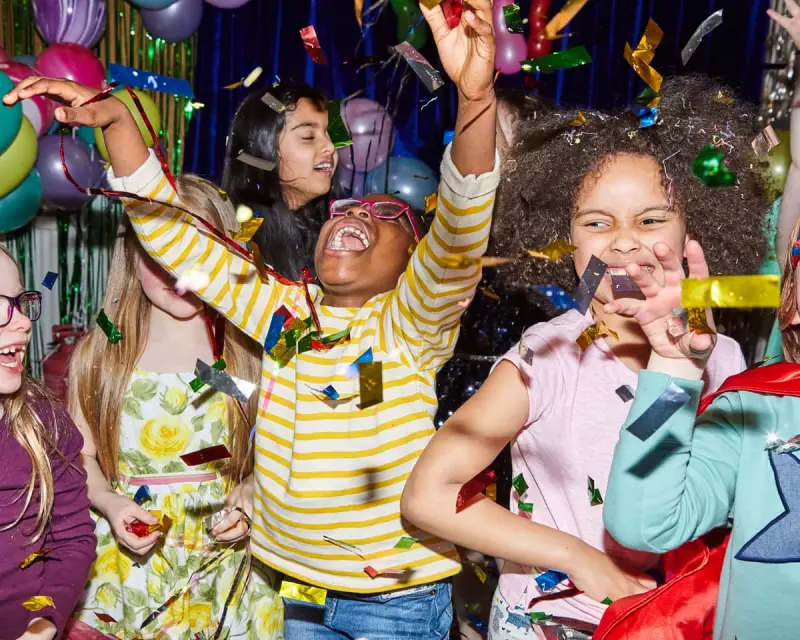
These gatherings offer a unique, if exhausting, observational platform. Parents become like David Attenborough, watching their offspring navigate complex social dynamics. The children descend into a sort of collective mania, tearing around at 80 decibels, engaging in elaborate, fleeting disputes, and inventing games on the fly, often leaving someone out in the process.
Meanwhile, the adults are hardly models of social grace. Self-conscious and tired, they attempt conversations with the ease of undergoing a medical procedure, often interrupted mid-sentence to shout "Oi!" and break up a squabble or retrieve a child from a tree. The promised land of drop-off parties, where one might meditate or scroll a phone in peace, remains a distant paradise for many.
The Demands of the Modern Child and the Unseen Labour
Children's expectations have soared. A simple sheet-pan brownie with a candle no longer suffices. Now, elaborate themes, reflected interests, and specific guest lists and balloon quantities are non-negotiable. The young guests themselves are assertive, asking questions and making requests, seemingly oblivious to the monumental effort of their being brought into the world.
Parental labour is immense and often thankless: blowing up balloons until dizzy, laying out the sugar-rich feast, frantic cleaning, and the anxiety of whether anyone will show up. A parent might attempt 300 conversational exchanges, none progressing beyond a few stilted sentences.
Yet, beneath the chaos lies a profound truth. Celebrating a child's yearly milestone is a triumph. It marks their growth, their perplexing questions, and their expanding world beyond the family. In a society growing increasingly weird and moderated through screens, where neighbours are often strangers, these parties force genuine interaction.
They build tangible, local relationships. The friends our children make at this age could be part of our lives forever, forging a network of potential support and camaraderie. In the end, the shared experience of celebrating life's mundane milestones, for all its flaws, is fundamentally social. The true hell, as the piece concludes, is not the chaos of the party itself, but the sting of not being invited at all.