Sadiq Khan's £142.6 Million Budget Windfall Sparks Controversy Over Police Funding
A significant surge in business rates and council tax returns has delivered a substantial £142.6 million funding boost to London Mayor Sadiq Khan, according to the Mayor's Final Draft Budget published on February 19. This unexpected financial windfall, discovered by City Hall officials, will be strategically divided between youth crime prevention initiatives, artificial intelligence skills development, and innovative transport projects across the capital.
The Financial Breakdown and Allocation Strategy
The Greater London Authority (GLA) will receive £134.9 million more than originally anticipated in business rates revenue, complemented by an additional £8.5 million in council tax returns. Despite facing a £32.2 million reduction in the final policing grant settlement from the Home Office compared to initial expectations, the GLA has announced plans to utilize £31.4 million from existing reserves to support the proposed spending package.
This substantial financial injection will be distributed across three primary entities: the Mayor's Office, the Mayor's Office for Policing and Crime (MOPAC), and Transport for London (TfL). The allocation breakdown reveals a comprehensive approach to addressing multiple urban challenges simultaneously.

Detailed Spending Priorities and Initiatives
Youth Crime Prevention will receive the largest single allocation of £50 million, dedicated to providing targeted support and opportunities designed to steer young Londoners away from gang involvement through carefully structured interventions.
AI Skills Development has been allocated £20 million to implement recommendations from the AI and Future of Work Taskforce, helping London employees adapt to workplace transformations and succeed in evolving professional environments.
Major Events Support will benefit from another £20 million investment aimed at securing and enhancing cultural, sporting, and business events throughout the capital.
Transport Innovation receives £20 million through TfL to trial "fares innovation" programs specifically designed to increase passenger numbers across London's extensive transport network.
Mobile Phone Theft Crackdown will be funded with £4.5 million, including the establishment of a specialized Command Cell to address incidents in high-risk areas such as the West End.
Rough Sleeping and Tenant Support will receive additional unspecified funding to provide emergency assistance, combat homelessness, and improve London's waterways for safe swimming opportunities.
Political Criticism and Budget Controversy
Critics from the London Assembly have voiced significant concerns regarding the budget's impact on policing resources. Hina Bokhari, leader of the Liberal Democrat group, expressed strong reservations, stating: "This Budget will be a bitter pill to swallow for the Metropolitan Police. The Commissioner is being set up to fail, short-changed by the Government, let down by a Mayor who has failed to make the case for the money London needs, yet still expected to put 1,300 more officers on the streets without adequate funding."
Neil Garratt, the City Hall Conservatives Budget spokesman, added further criticism: "Behind the Mayoral spin and selective presentation, this represents a problematic budget for London. Since December alone, we've lost another £59 million from police funding, there remains no visible progress on promised major transport projects, and now the Mayor is tapping into reserves. This approach appears reckless given anticipated government cuts to London's funding next year."
Mayoral Defense and Strategic Vision
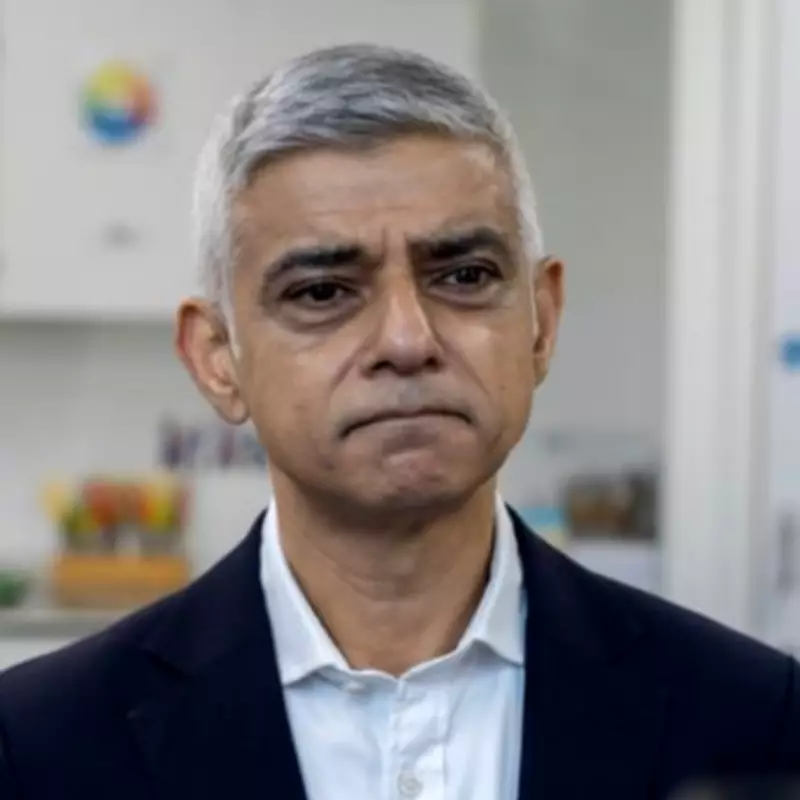
Mayor Sadiq Khan defended the budget allocations, emphasizing: "The common thread running through this entire Budget is my commitment to ensuring all Londoners have equal opportunities to reach their potential, similar to what London provided for me and my family. Safety forms the essential foundation upon which everything else can flourish. That's precisely why reducing crime and keeping Londoners secure remains my highest priority as Mayor, and why I'm proposing record investment levels from City Hall for policing and crime prevention initiatives."

Khan further elaborated: "We cannot afford complacency as substantial work remains. I will continue utilizing all available mechanisms to fund police services, address violence against women and girls, and provide positive opportunities for young Londoners, building upon the significant progress already achieved."
Assembly Opposition and Procedural Context
Last month, the London Assembly passed a non-binding motion advocating that any additional funding discovered between the Mayor's Draft and Final Budget should be directed toward policing and making tube stations step-free. The motion received support from Labour and Liberal Democrat members, while Conservative members voted against it, and Green and Reform groups abstained.
Although the Assembly possesses legal authority to overturn or pass binding amendments to the Mayor's Final Budget, achieving this would require support from two-thirds of members—specifically 17 of the 25 Assembly Members, 11 of whom represent the Labour party. Mayor Khan will present his formal response to the Assembly's proposal when he introduces his final budget on February 26, detailing his rationale for accepting or rejecting their recommendations.