A Judicial Firestorm Erupts Over Texas Electoral Maps
In an extraordinary display of judicial discord, a US federal judge has launched a vehement 104-page dissent against his colleagues' decision to strike down Texas's newly drawn congressional districts. The blistering opinion from Judge Jerry Smith, appointed by Ronald Reagan, not only condemned the legal reasoning behind the ruling but descended into personal attacks against its author, Judge Jeffrey Brown, a Trump appointee.
'Nobel Prize for Fiction': The Core of the Dispute
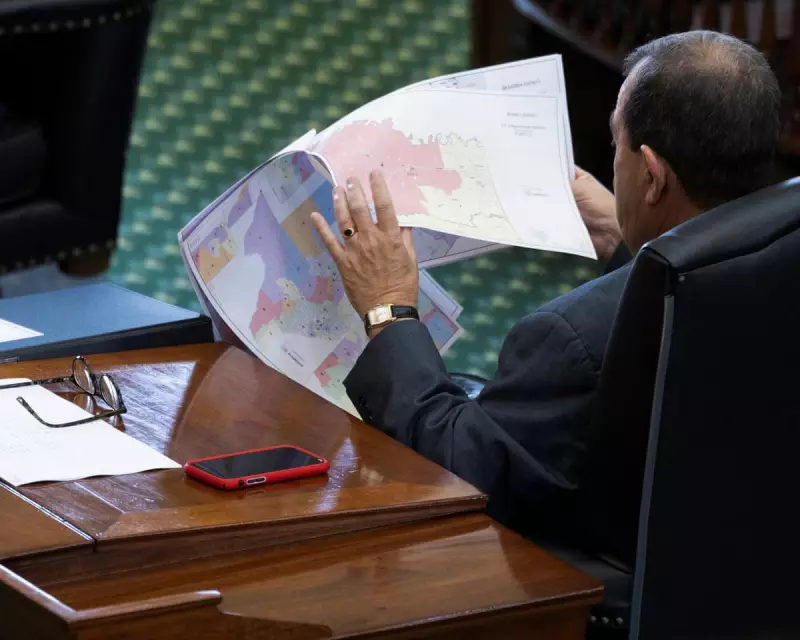
The conflict ignited when a three-judge panel, including Judges Brown and Smith, reviewed the congressional map Texas adopted earlier this year. The majority opinion, penned by Judge Brown, found the map likely unlawful due to discrimination against non-white voters.
Judge Smith's dissent, however, accused Judge Brown of deliberately issuing the opinion before Smith could complete his opposing view. "In my 37 years on the federal bench, this is the most outrageous conduct by a judge that I have ever encountered," Smith wrote. He sarcastically suggested that "if there were a Nobel prize for fiction, Judge Brown’s opinion would be a prime candidate."
The Soros Connection and Political Fallout
In a staggering turn, Judge Smith's document extensively referenced billionaire philanthropist George Soros, whose name appears 17 times in the 104-page opinion. Smith also mentioned Soros's son, Alex, and California Governor Gavin Newsom, who are not parties to the case.
Smith asserted that "the main winners from Judge Brown’s opinion are George Soros and Gavin Newsom," while "the obvious losers are the people of Texas and the rule of law." He highlighted connections between lawyers in the case and organisations funded by Soros's Open Society Foundations, though he noted all lawyers served with "integrity and professionalism."
Texas Attorney General Ken Paxton has stated he will appeal the panel's ruling to the US Supreme Court. The dissent received immediate support from some conservative quarters, with former Florida Attorney General Pam Bondi tweeting her approval.
Legal Experts Question the Strategy
While celebrated in some circles, the dissent's strategy has been questioned by legal analysts. Richard Hasen, an election law professor at the University of California, Los Angeles, suggested the approach could backfire before the Supreme Court.
Hasen wrote that a more measured dissent focusing on the case's legal merits might have been more effective, noting that "some [justices] will be turned off by this ranting." This judicial confrontation occurs as judges across the United States face unprecedented threats and harassment, prompting some to speak out more forcefully.
The case now moves to the nation's highest court, where the future of Texas's congressional representation—and the tone of judicial discourse—hangs in the balance.