Judicial Rebuke for Trump's Politicised Prosecutions
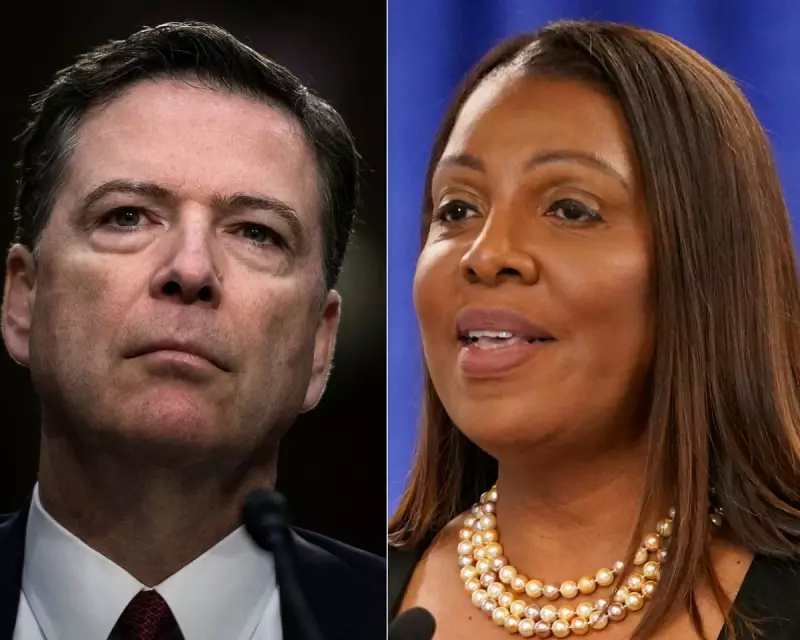
In a significant victory for the rule of law, a federal judge has dismissed what many legal experts described as sham indictments against two of Donald Trump's most prominent political opponents: former FBI director James Comey and New York Attorney General Letitia James. The decision by Judge Cameron McGowan Currie represents a powerful check on the administration's attempts to weaponise the justice system against its enemies.
Trump's Campaign of Retribution Exposed
The case originated from Trump's very public demands for action against his perceived enemies. On 20 September, the president took to Truth Social to pressure Attorney General Pam Bondi, complaining about inaction against figures like Comey and James despite what he called their clear guilt. "JUSTICE MUST BE SERVED, NOW!!!" Trump demanded in his characteristic all-caps style.
Just two days later, Bondi appointed Lindsey Halligan as interim US attorney for the eastern district of Virginia. Halligan, described in court documents as a "White House aide with no prior prosecutorial experience", quickly moved to secure indictments against both Comey and James. Comey faced charges of lying to Congress, while James was indicted in a mortgage case. Both maintained their innocence and characterised the cases as politically motivated retaliation.
Legal Process Prevails Against Executive Overreach
Judge Currie's ruling found that the entire process had been fundamentally flawed from the beginning. She determined that Halligan's appointment violated both statutory requirements and constitutional principles governing such positions. The law clearly states that interim US attorneys can serve for only 120 days before a federal district court must appoint a successor or extend their term.
More disturbingly, evidence presented to the court revealed that career prosecutors in Halligan's office had concluded neither Comey nor James had committed any crime. Despite this, Halligan proceeded alone before the grand jury to secure the indictments. All actions stemming from her unlawful appointment, including the indictments, were declared "unlawful exercises of executive power".
While the ruling technically leaves open the possibility of refiling charges, the statute of limitations has expired in Comey's case, effectively ending that prosecution permanently. The decision marks the latest in a series of judicial rulings against Trump's interim US attorney appointments across multiple states, revealing a pattern of legal overreach and incompetence.
Broader Implications for Justice and Democracy
Judge Currie's opinion serves as a crucial reminder that legal procedures matter as much as outcomes. She emphasised that appointment requirements aren't mere formalities but "significant structural safeguards of the constitutional scheme" designed to prevent presidents from circumventing Senate confirmation through serial interim appointments.
The case highlights the ongoing tension between Trump's demands for immediate action against his opponents and the deliberate pace of proper legal procedure. As the judge noted, Senate confirmation takes time - an inconvenience when the president demands instant justice against his enemies.
This ruling strengthens the hand of other judges confronting similar politicised prosecutions and reinforces the independence of the judiciary as a bulwark against executive overreach. It stands as a testament to the resilience of American legal institutions even under significant political pressure.