Federal Judge Permanently Blocks Trump Order to Defund NPR and PBS
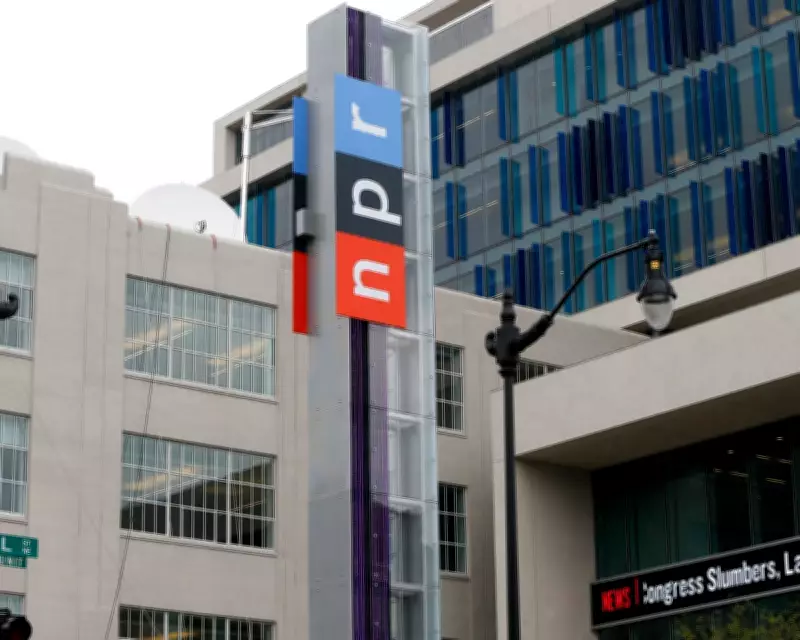
In a landmark decision, a federal judge has permanently blocked the Trump administration from implementing an executive order aimed at ending federal funding for National Public Radio (NPR) and the Public Broadcasting Service (PBS). The ruling, issued on Tuesday, cites the First Amendment, declaring the order unlawful and unenforceable due to its clear targeting of viewpoints disfavored by the president.
Judge Moss's Ruling on Viewpoint Discrimination
US District Judge Randolph Moss, nominated by former President Barack Obama, emphasized that the First Amendment "does not tolerate viewpoint discrimination and retaliation of this type." He wrote, "It is difficult to conceive of clearer evidence that a government action is targeted at viewpoints that the president does not like and seeks to squelch." The judge noted that Trump's order directed all federal agencies to "cut off any and all funding" to NPR, based in Washington, and PBS, based in Arlington, Virginia, without citing legal precedent for such actions based on past speech.
White House Response and Legal Context
White House spokesperson Abigail Jackson condemned the decision as "a ridiculous ruling by an activist judge attempting to undermine the law." She asserted that NPR and PBS have no entitlement to taxpayer funds, referencing Congress's prior vote to defund them. However, the judge highlighted that the executive order extends beyond the defunded Corporation for Public Broadcasting (CPB), affecting all federal agency funding for these media entities. The operational impact remains unclear, pending likely appeals and existing damage from congressional actions.

Impact on Public Broadcasting and Broader Implications
Trump's order, announced last year, immediately cut millions from PBS's children's programming, leading to significant staff layoffs. While Congress's separate defunding vote forced the CPB's closure, Moss's ruling addresses the broader constitutional issue. NPR President Katherine Maher hailed the decision as "a decisive affirmation of the rights of a free and independent press," while PBS Chief Paula Kerger called it a victory against "textbook unconstitutional viewpoint discrimination." The case underscores ongoing debates over government funding for public media, which has served audiences for decades with programs like Sesame Street and All Things Considered.
Legal Proceedings and Future Outlook
NPR and three public radio stations filed the lawsuit last May, naming Trump as a defendant. Attorney Theodore Boutrous praised the ruling as "a victory for the First Amendment and for freedom of the press," noting it draws a line against using government power to suppress expression. The judge partially dismissed some claims as moot due to the CPB's dissolution but upheld the core constitutional challenge. As appeals loom, this case highlights the tension between executive authority and press freedoms in the US.