John Oliver Sounds Alarm on Viktor Orbán's Authoritarian Influence in US Politics
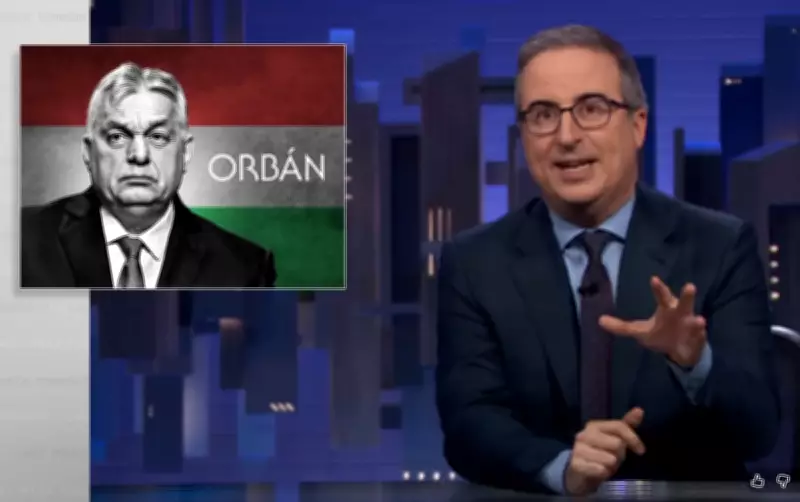
In a recent episode of Last Week Tonight, host John Oliver delivered a stark warning about the political tactics of Hungarian Prime Minister Viktor Orbán, framing his long-standing grip on power as a concerning blueprint for American conservatives. Oliver's analysis comes ahead of Hungary's election on April 12, where Orbán, the EU's longest-serving head of state, faces a contested race despite his entrenched control.
Orbán's Rise and Rightward Shift
Oliver traced Orbán's political journey, noting that he initially emerged from Hungary's post-communist era in the 1980s as part of Fidesz, a liberal youth movement advocating for Western democratic standards. However, after entering parliament in 1990, Orbán steadily moved the party to the right, becoming the EU's youngest prime minister in 1998. Following a brief loss of power, he embraced nationalist populism and militant Christianity, vowing to "only need to win once" to maintain control—a promise he has largely fulfilled since his 2010 re-election.
Erosion of Democratic Institutions
Under Orbán's leadership, Hungary's democratic foundations have been systematically undermined. Oliver highlighted how Fidesz has rigged the election system through gerrymandering, resulting in skewed outcomes; for instance, in 2014, Orbán won 45% of votes but secured 91% of districts. Experts have labeled Hungarian elections as "free but not fair," a paradox Oliver critiqued with his signature wit, noting voters are free to choose anyone, even if Orbán's opponents inevitably lose.

Additionally, Orbán has corrupted the court system to block legal challenges and established a propaganda machine. This includes a state media agency, MTVA, that exerts editorial control across platforms and fines outlets for "unbalanced" coverage. Oliver cited a study showing zero seconds of negative coverage for government politicians on a nightly news show over six months, quipping that such absence is implausible given politicians' usual scandals.
Media Consolidation and International Tensions
Orbán's allies have further consolidated media by buying independent outlets, creating a sycophantic conservative network. Oliver drew sarcastic parallels to US media consolidation, referencing David Ellison's Paramount and its potential acquisition of Warner Bros. Abroad, Orbán's close ties with Russia have strained EU relations, while domestically, he has promoted reactionary policies, such as anti-immigrant rhetoric and fearmongering about low birthrates aligned with "great replacement" theory.
US Connections and Warning Signs
Oliver emphasized that Orbán's model resonates with some US Republicans, including Donald Trump's endorsement and JD Vance's planned visit to Hungary. He warned that Orbán's strategies—like court-packing, gerrymandering, and media manipulation—are not alien to American politics. "Orbán's stranglehold on power should be alarming for us here in the states," Oliver stated, adding that while the US has checks and balances, vigilance is crucial to prevent similar democratic erosion.
In conclusion, Oliver noted that while Orbán's takeover was methodical compared to Trump's erratic style, the parallels are undeniable. He urged viewers to recognize warning signs and protect democratic norms, underscoring that Orbán serves as a cautionary tale rather than an inspiration.