The political landscape surrounding gun control in Australia has been dramatically reshaped following the Bondi terror attack, with former Prime Minister John Howard's recent intervention threatening to derail hopes for meaningful reform.
A Vacuum of Leadership and a Defining Intervention
In the wake of the antisemitic attack at Bondi beach, which saw a gunman open fire on Jewish families celebrating Hanukah, Prime Minister Anthony Albanese responded with calls for unity and calm. While this was welcomed by many, a significant portion of the public and political commentators felt a strong absence of swift, decisive national action to address gun laws.
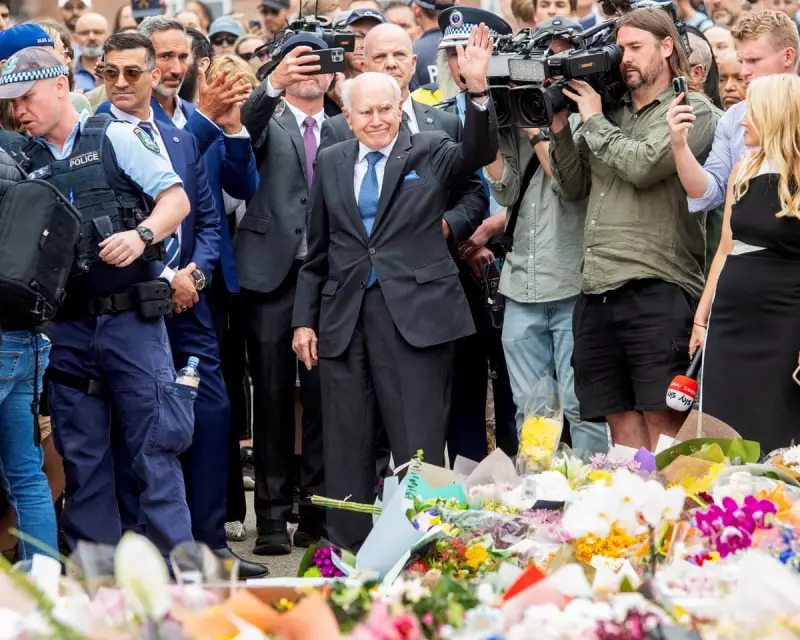
This perceived vacuum created an opening for John Howard, the architect of Australia's landmark gun reforms after the Port Arthur massacre, to step in. In a striking press conference, Howard dismissed calls for further gun reforms as a "diversion" and criticised Albanese's leadership on antisemitism. His comments have fundamentally altered the political debate.

From Bipartisanship to Political Division
Howard's legacy was built on the sweeping gun law reforms enacted thirty years ago, a move made possible by crucial bipartisan support from Labor and the states. The current situation presents a stark contrast. Following the Bondi tragedy, national cabinet agreed only to "renegotiate the National Firearms Agreement" and "develop options" on new restrictions—a bureaucratic response that failed to match the public mood for immediate action.
Howard's political frontrunning has now given conservative politicians explicit permission to oppose further gun restrictions, effectively shattering any chance of the bipartisan consensus that enabled his own historic reforms. Figures like Nationals leader David Littleproud and One Nation's Pauline Hanson have swiftly aligned with the argument that Bondi was "an ideology problem, not a gun problem."
Legacy Protection and a Shift to Culture War
Analysts suggest Howard's stance, while seemingly at odds with his legacy, serves to protect it. By denying Albanese the opportunity to strengthen the gun control framework, Howard ensures his 1996 reforms remain the definitive "gold standard." Furthermore, his intervention successfully shifts the political focus from gun control to a more divisive culture war centred on terrorism, antisemitism, and migration.
This reframing is politically advantageous for the Coalition, placing Albanese in a difficult position. The Prime Minister appears hesitant to fully engage the gun lobby, wary of the political brawl seen in Western Australia, yet risks appearing weak if he retreats. Meanwhile, the anti-immigration right has been emboldened, with the tragedy being hijacked to push their cause, as seen in banners and rhetoric targeting the government.
The Road Ahead for Gun Reform
The path to meaningful federal gun law reform now appears exceedingly narrow. Howard's dog-whistle intervention has all but dashed hopes for significant legislative change in this term. The debate has been successfully moved onto ground favourable to conservative politicians, framing any discussion of gun restrictions as a distraction from combating terrorism and antisemitism.
As the community mourns, the political fallout from the Bondi attack is set to define Anthony Albanese's second term. The country watches to see whether its current leader can demonstrate the same political courage and strategic acumen that his predecessor once wielded to enact change, or if the moment for strengthening Australia's gun laws has been lost to political manoeuvring.