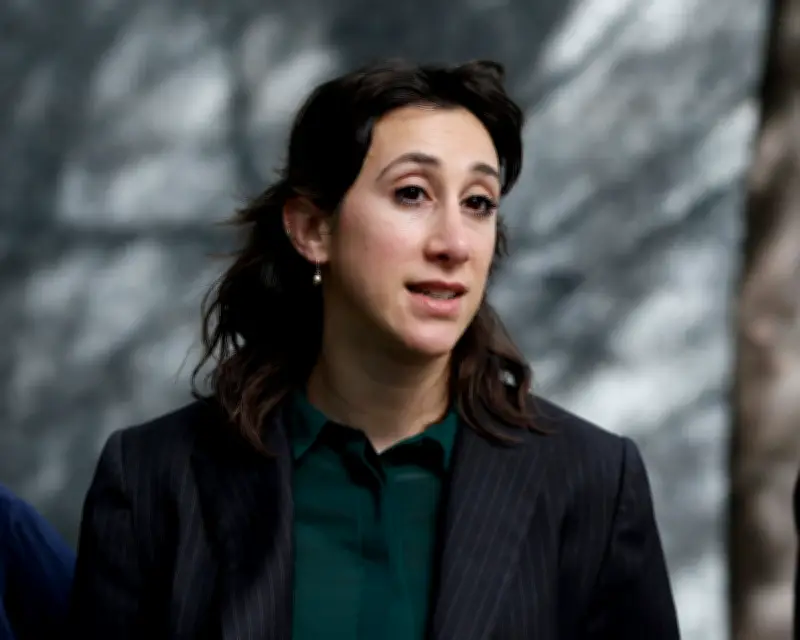
The executive officer of the Jewish Council of Australia, Sarah Schwartz, has made a submission to the royal commission on antisemitism and social cohesion. In it, the progressive Jewish group argues that far-right extremism and the conflation of Jewish identity with Israel are the primary drivers of antisemitism in Australia.
Key Drivers of Antisemitism
The Jewish Council of Australia (JCA) calls for greater attention to the "often overlooked" threat from the far right and recognition of the diversity of views within the Jewish community. The submission criticizes the "tendency to treat Jews collectively as representatives of Israel."
Executive Officer Sarah Schwartz stated that the "resurgent Australian far-right is a hotbed of antisemitism even as it weaponises Jewish grief to legitimise attacks on migrant communities and religious minorities."

The submission identifies two important drivers: the growth of far-right, neo-Nazi, and conspiracist movements, and the aggressive actions of the state of Israel combined with the conflation of Jewish identity with Israel. It notes that Israel itself has cultivated this conflation, which "causes direct harm to Jewish people worldwide when they are blamed for Israel's actions."
Context from the Royal Commission
During the commission's first block of public hearings in May, Commissioner Virginia Bell heard discussions on the blurred lines between antisemitism and legitimate criticism of Israel, firsthand accounts of antisemitic attacks, details of policing on the day of the Bondi attack, and debates over the definition of antisemitism.
Other submissions have included strong identification with Israel from some Jewish groups. Daniel Aghion, president of the Executive Council of Australian Jewry, has been critical of the JCA's views, considering them unrepresentative. Vic Alhadeff, former CEO of the NSW Jewish Board of Deputies, told the commission that "Jewish Australians have no agency in what the Israel Defense Force does" and should not be held responsible.
Jillian Segal, the government's special envoy to combat antisemitism, described the conflation of the Israeli government with Jewish people as Australia's "fastest-growing" form of antisemitism.
The commission has received over 16,000 submissions. While submissions are not public, organisations and individuals can share their own. Others who have done so include Jeremy Leibler of the Zionist Federation of Australia and Aghion.
JCA's Perspective and Recommendations
The JCA describes itself as Australia's largest progressive Jewish organisation, supporting human rights and Palestinian freedom. It has 2,500 members. The submission argues that while antisemitism is real and rising, dominant policy responses—such as "punitive legislation, conflation-reinforcing definitions, and the silencing of political dissent"—actually worsen the problem.
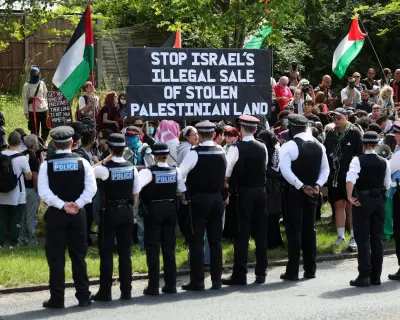
The submission contends that punitive approaches like hate speech laws do not reduce racism and that "restrictions on pro-Palestinian speech and protest, when justified by invocations of Jewish safety, will backfire and weaken social cohesion and potentially increase antisemitism."
It also criticises the media for amplifying extremists through "information laundering" and mainstreaming radical messages, calling for responsible reporting principles such as not interviewing extremists and blurring banners at protests.
The next block of hearings, from 29 June to 10 July, will focus on drivers of antisemitism and hate speech, particularly in media and social media.