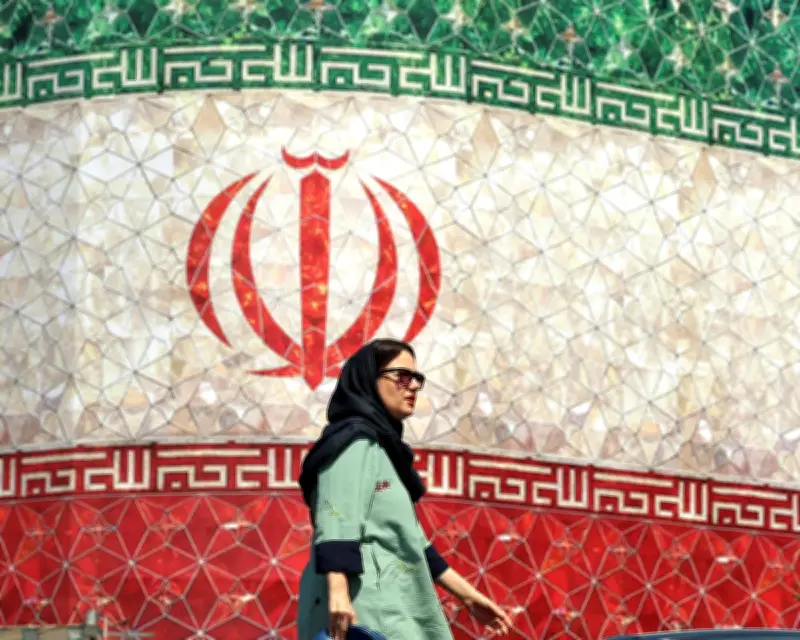
Iranian hardliners have mounted a vociferous campaign to reject a proposed peace deal with the United States, while supporters within the regime defend the agreement against claims that it amounts to capitulation. The proposed deal, which aims to end the ongoing conflict, has sparked intense debate among Iranian political factions.
Hardliners Denounce Deal as Capitulation
Kamran Ghazanfari, an Iranian MP, stated, "The fact that they say we won and America has retreated is a blatant lie." Meysam Nili, managing director of Rajanews and brother-in-law of former hardline President Ebrahim Raisi, called the deal a catastrophic capitulation, urging Iranians not to remain silent. These criticisms highlight the deep divisions within the Iranian political landscape.
Government Defenders Offer Detailed Rebuttal
In response, Mehdi Mohammadi, an adviser to the head of the negotiating team, Mohammad-Bagher Ghalibaf, provided a detailed audio rebuttal. He insisted that the deal would end the war, including Israel's offensive in Lebanon, and that Tehran had not made new commitments on its nuclear programme. The disposal of highly enriched uranium would be discussed in future talks lasting 60 days.

Mohammadi also claimed that the phrase "Iranian arrangements" in the text would allow Iran and Oman to charge fees for passage through the Strait of Hormuz and even prevent Israeli commercial ships from using the waterway. He argued that the US had fought hard to exclude this phrase but ultimately agreed to lift primary sanctions in the second phase of the deal.
Nuclear Programme and Strait of Hormuz
On the nuclear issue, Mohammadi noted that the only statement in the text was that Iran would not build or purchase nuclear weapons, which he said aligns with Tehran's long-standing position. He compared the proposed deal favorably to the 2015 nuclear pact, emphasizing that this time Iran retains control over the Strait of Hormuz. "The strait is in our hands, we can close it any time we want at an hour," he stated.
Regarding the release of frozen funds, Mohammadi acknowledged that the text on the release of half of Iran's $12 billion held abroad had not been finalized. He claimed that Arab countries would be forced to provide this money due to Iran's regional power and superiority.
Critics Target Ghalibaf and Araghchi
Critics, including members of the Paydari Front led by Mahmoud Nabavian, editor-in-chief Hossein Shariatmadari of Kayhan newspaper, and a senior IRGC commander, have targeted Ghalibaf and Foreign Minister Abbas Araghchi. They have organized protests outside the foreign ministry in Tehran and launched a "we will not accept" hashtag. Government supporters argue that the Paydari Front opposes any deal and does not represent ordinary Iranians.
Hardline Cleric Questions Strait Opening
Hajatoleslam Naboyan, a hardline Shia cleric and MP, expressed disbelief that the proposed agreement allows free commercial shipping in the Strait of Hormuz. He questioned whether Israeli commercial ships would also be freed, stating, "From now on, all Israeli ships, not military, all hostile countries, their ships and their movement in the strait of Hormuz must be freed."
Media Calls for Balanced Debate
The Khorosan newspaper expressed concern over the license given to critics, calling for equal freedom of speech and assembly for supporters of the agreement. It argued that the majority of the Iranian people support the regime's will for the agreement and that the minority should not impose its will through shouting and abuse of gatherings.
Potential Impact on US Politics
The hardliners' criticism may aid US President Donald Trump as he seeks to justify the deal as superior to the 2015 Obama-era agreement. However, the two deals are not directly comparable, as the 2015 pact was a detailed arms control agreement, while the current memorandum focuses on preconditions for a ceasefire. Trump, facing accusations of achieving through war what could have been achieved through diplomacy, needs evidence of the deal's superiority.