Italian Tourism Minister Steps Down Following Prime Minister's Public Demand
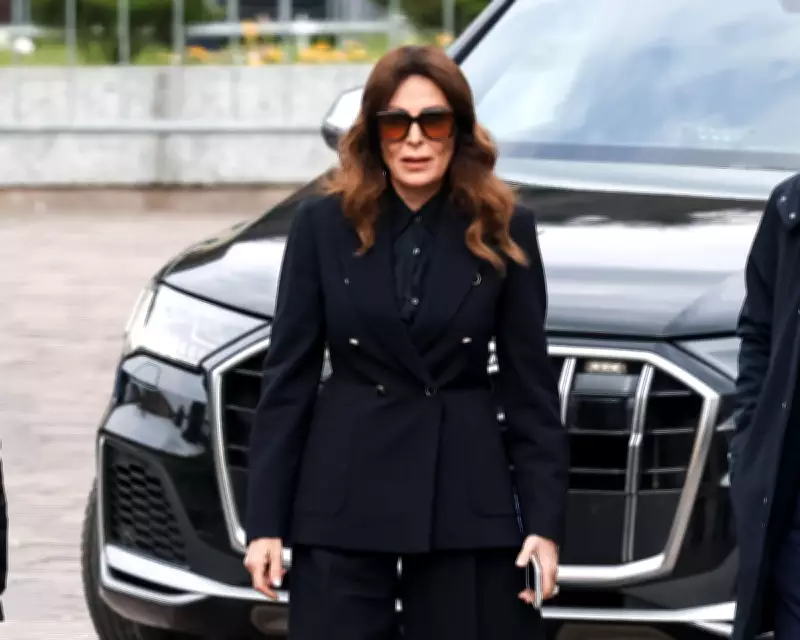
Italy's tourism minister, Daniela Santanchè, has resigned from her position after Prime Minister Giorgia Meloni made an unusual public call for her departure. This move comes as Meloni's government faces significant turmoil following a decisive defeat in a judicial reform referendum that has shaken the far-right administration's credibility.
Unprecedented Public Pressure Leads to Resignation
Daniela Santanchè, a prominent and outspoken member of Meloni's Brothers of Italy party, submitted her resignation on Wednesday after resisting initial pressure to step down. The prime minister's public statement requesting her departure marked an extraordinary move in Italian politics, where such matters are typically handled behind closed doors.
In her resignation statement addressed to Meloni, Santanchè expressed her willingness to comply with the request while revealing "a bit of bitterness" about the outcome of her ministerial career. She emphasized that she did not want to become a "scapegoat" for the government's referendum defeat, which occurred just days earlier.

Referendum Defeat Sparks Government Crisis
The political crisis stems from Italian voters' overwhelming rejection of constitutional amendments that would have reformed the country's judicial system. The proposed changes included separating career paths for judges and prosecutors, establishing governing councils selected by lottery, and creating a disciplinary court.
Meloni's government had argued these reforms were essential for ensuring judicial impartiality and eliminating what she described as leftwing political "factions" within the judiciary. However, opponents successfully framed the proposals as a partisan project that would weaken judicial independence and power.
Multiple Resignations Follow Referendum Results
Santanchè's departure represents the third high-profile resignation since the referendum results were announced on Monday. Justice ministry undersecretary Andrea Delmastro, also a Brothers of Italy member, resigned after revelations emerged that he held shares in a restaurant with alleged mafia connections just days before the referendum.
Giusi Bartolozzi, chief of staff to Justice Minister Carlo Nordio, resigned on Tuesday amid controversy. Bartolozzi faces potential trial over Italy's release and repatriation last year of a Libyan general wanted for alleged war crimes and caused additional controversy during the referendum campaign by comparing the judiciary to a "firing squad" that needed elimination.
Legal Troubles and Political Implications
Santanchè has been involved in several legal proceedings related to allegations of fraud and false accounting concerning her business activities, though she denies any wrongdoing. Until the referendum fallout, she had maintained Meloni's support despite persistent opposition calls for her resignation.
Political analysts view Meloni's public call for Santanchè's resignation as revealing newfound weakness in her leadership. Enrico Borghi, a politician with the centrist Italia Viva party, noted that this unprecedented move demonstrates "tensions and rather significant clashes within the ruling coalition."
Opposition Seizes Momentum
The referendum outcome, which generated record voter turnout, has galvanized opposition parties seeking to build a credible challenge to Meloni before the next general election in 2027. Elly Schlein, leader of the Democratic party, described the high participation as "a splendid moment for Italian democracy" and called on the government to address "real priorities for Italians, such as health, education and jobs."
Despite the political crisis, analysts suggest Meloni is unlikely to call early elections given ongoing international conflicts and economic pressures. Francesco Galietti, founder of political consultancy Policy Sonar, predicts elections will likely occur in the first half of 2027, with increasing probability of a fragmented parliament.

Meloni, who traveled to Algeria on Wednesday for talks about boosting gas supplies, faces mounting pressure from opposition parties to address what they describe as "the evident political crisis" embroiling her government. The prime minister has stated her administration will "move forward, as we always have done, with responsibility, determination and respect towards the Italian people and Italy," but the referendum defeat represents her first major political setback since taking office in October 2022.