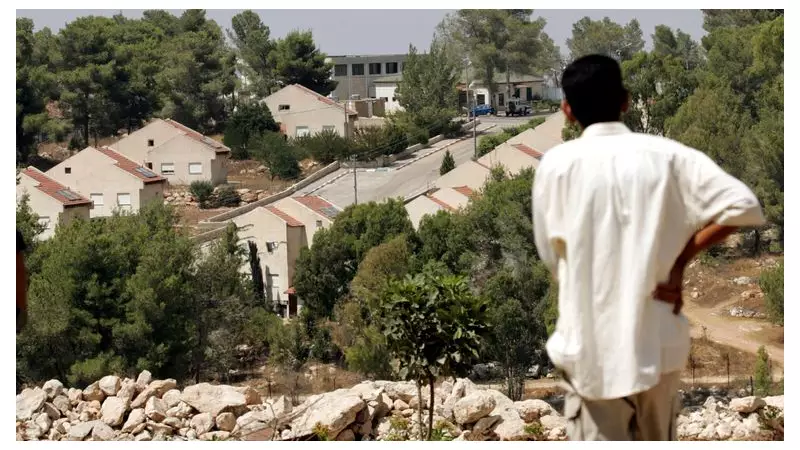
In a significant expansion of its settlement policy, the Israeli government has given formal approval to 19 new Jewish settlements in the occupied West Bank. This decision, announced on Sunday 21 December 2025, is widely seen as a fresh obstacle to the establishment of a future Palestinian state.
Record Expansion Under Far-Right Coalition
According to Israel's far-right Finance Minister, Betzalel Smotrich, this latest move brings the total number of new settlements approved in recent years to 69, setting a new record. Data from the anti-settlement watchdog Peace Now reveals a dramatic surge under the current Israeli administration. The number of settlements has jumped by nearly 50%, from 141 in 2022 to 210 with these new authorisations.
The government's action includes the retroactive legalisation of several previously established outposts and neighbourhoods within existing settlements. It also greenlights settlements on land from which Palestinian residents have been evacuated.

Return to Dismantled Settlements and International Condemnation
Among the newly approved sites are Kadim and Ganim, two of the four settlements dismantled by Israel in 2005 during its withdrawal from the Gaza Strip. Israelis had been banned from re-entering these areas. However, since Israel repealed the 2005 disengagement law in March 2023, there have been multiple efforts to resettle them, now realised with this official approval.
These settlements are considered illegal under international law by most of the global community. Critics argue they fragment the territory of a potential Palestinian state by confiscating land and displacing local residents. Today, over 500,000 Jewish settlers live in the West Bank, with an additional 200,000 in contested East Jerusalem.
Broader Context and Mounting Pressure
This controversial decision comes amid increasing pressure from the United States for Israel to advance with the second phase of a Gaza ceasefire, which began on 10 October. Minister Smotrich is one of several prominent figures in Israel's coalition government who are staunch supporters of settlement expansion.
The West Bank, East Jerusalem, and Gaza are territories captured by Israel in the 1967 war and claimed by Palestinians for their future state. The settlements range from isolated dwellings to large urban developments, and the occupied territories also host numerous unauthorised Israeli outposts.