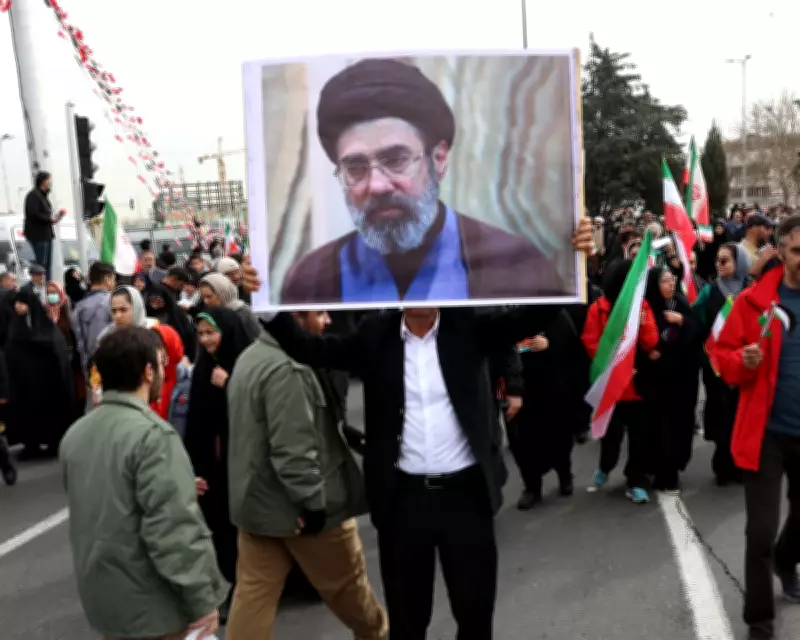
Iran Appoints Mojtaba Khamenei as New Supreme Leader Amid Escalating Conflict
In a pivotal move that could reshape the geopolitical landscape, Mojtaba Khamenei, the second son of the late Iranian supreme leader Ayatollah Ali Khamenei, has been officially chosen as his successor. This decision comes as the war in the Middle East enters its tenth day, with fresh missile and drone strikes continuing to reverberate across the region. The announcement was made on Sunday by members of the clerical body responsible for selecting Iran's highest authority, prompting swift statements of allegiance from Iranian institutions and politicians, including the foreign ministry and lawmakers.
Global Economic Concerns Rise as Oil Prices Surge
The appointment of Mojtaba Khamenei has intensified fears of a further escalation in the conflict, particularly given former U.S. President Donald Trump's previous remarks. Trump had already acknowledged Mojtaba as the most likely successor and labeled him an "unacceptable" choice, raising the specter of heightened tensions between the U.S. and Iran. Concurrently, the ongoing war has triggered significant economic anxieties globally. Oil prices have surged past $100 a barrel for the first time since 2022, leading to a stark sell-off in major stock markets. Experts warn that the U.S.-Israel war on Iran could potentially set the stage for a global economic shock, with stagflation fears mounting as the conflict disrupts energy supplies and financial stability.
International Reactions and Diplomatic Maneuvers
In response to the escalating situation, British Prime Minister Keir Starmer engaged in a critical conversation with the U.S. president on Sunday afternoon. This discussion followed a barrage of criticism from Trump, who had earlier told his UK ally that British assistance was not needed, even as the U.S. continued to utilize UK bases for strikes against Iran. The diplomatic tensions underscore the complex alliances and strategic calculations at play as world leaders navigate the volatile Middle East crisis.
Broader Implications and Regional Unrest
Beyond the immediate political and economic fallout, the war has exacerbated regional instability. In a tragic incident highlighting the human cost of conflict, Israeli settlers and soldiers killed three Palestinians in a village near Ramallah on Saturday night, marking the third deadly attack in a week of surging violence across the occupied West Bank. Additionally, the U.S. military reported killing six men in a strike on an alleged drug-smuggling vessel in the Eastern Pacific, part of the Trump administration's broader campaign against traffickers, which some analysts link to regional security concerns.
Scientific and Social Developments Amidst Turmoil
Amidst the geopolitical strife, other significant developments have emerged. A major review suggests that recreational drugs can more than double the risk of stroke, with particularly concerning impacts observed among younger people. Meanwhile, therapists are noting a rise in "political depression" driven by global unrest, encouraging individuals to engage with their communities as a coping mechanism. In a lighter note, research indicates that stormy space weather, such as solar storms, may be garbling potential messages from aliens, reminiscent of the fictional struggles in Steven Spielberg's ET.
As the world watches the unfolding events in Iran and beyond, the selection of Mojtaba Khamenei as supreme leader marks a critical juncture, with profound implications for international relations, economic stability, and regional security. The coming days will likely test diplomatic resolve and global resilience in the face of escalating conflict.