Insect Polling Offers Unique Perspective on US Midterm Elections
In a fascinating intersection of entomology and political science, recent polling data about insects provides unexpected insights into the upcoming US midterm elections. A comprehensive YouGov survey conducted with 1,148 American adults reveals intriguing comparisons between public sentiment toward common insects and political figures.
Butterflies Top Insect Popularity While Mosquitoes Face Widespread Disdain
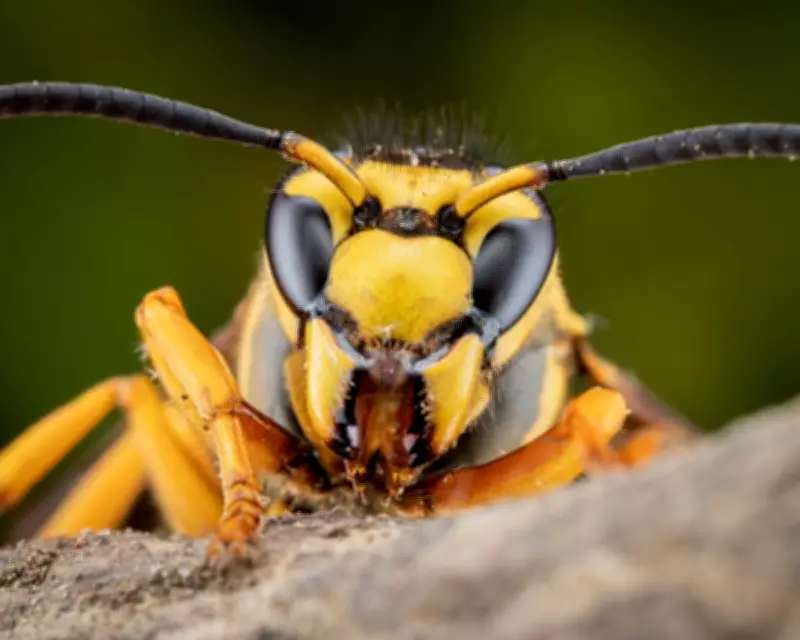
The YouGov poll discovered that butterflies reign as America's favorite insect, with an impressive 80% of respondents expressing "very or somewhat positive" reactions. Conversely, mosquitoes face overwhelming disapproval, with 86% of Americans holding negative views. Cockroaches follow closely with 84% disapproval, while wasps register 76% negative sentiment among those surveyed.
These insect approval ratings take on political significance when compared to Donald Trump's current disapproval numbers. According to the Associated Press-NORC Center for Public Affairs Research, Trump's disapproval rating stands at 61% among all Americans. This places him in an unusual position: less unpopular than wasps but more disliked than spiders (57% disapproval) and ants (52% disapproval).

Midterm Elections Loom with House Control at Stake
As the 2026 midterm elections approach, all 435 House districts become contested territory alongside 33 Senate seats and numerous governorships. The political landscape appears particularly precarious for Republicans, who maintain only a four-seat advantage in the House of Representatives. Historical patterns suggest the sitting president's party typically loses seats during midterm elections, with losses often correlating with presidential unpopularity.
Trump experienced this phenomenon firsthand during the 2018 midterms when Republicans lost 40 House seats, resulting in Democratic control and setting the stage for his subsequent impeachments. Recent reports indicate Trump recognizes this vulnerability, having reportedly warned Republicans at a policy retreat that losing the midterms could lead to renewed impeachment efforts.
Financial Disparities Shape Election Dynamics
While insects lack political fundraising capabilities, significant financial disparities exist between political parties. The Republican National Committee reported $95 million cash on hand at the end of December, compared to Democrats' $14 million, with Democrats additionally carrying $17 million in loans. Republican fundraising advantages extend to House and Senate campaigns, with MAGA Inc., the pro-Trump Super PAC, holding approximately $304 million for election spending.
Overall, Republican entities possessed more than $600 million for midterm spending as of January 1, while Democratic organizations had less than $200 million. However, external spending tells a more complex story, with AdImpact projecting $5 billion in outside expenditures for House and Senate races, continuing a trend from the 2024 election cycle where wealthy individuals and groups invested heavily in both parties.
Trump's Public Confidence Contrasts with Private Concerns
Despite private expressions of concern about potential House losses, Trump maintains a publicly confident posture. On his Truth Social platform earlier this month, he claimed to have "the highest poll numbers I have ever received," attributing this to public appreciation for "a strong and powerful Country, with the best economy, EVER!" These assertions lack supporting evidence from established polling organizations.
As election season intensifies, both political parties will monitor these unusual insect comparison metrics alongside traditional polling data. The coming months will determine whether Trump can improve his approval ratings or if he'll remain in the company of America's less-favored creatures as voters head to the polls.