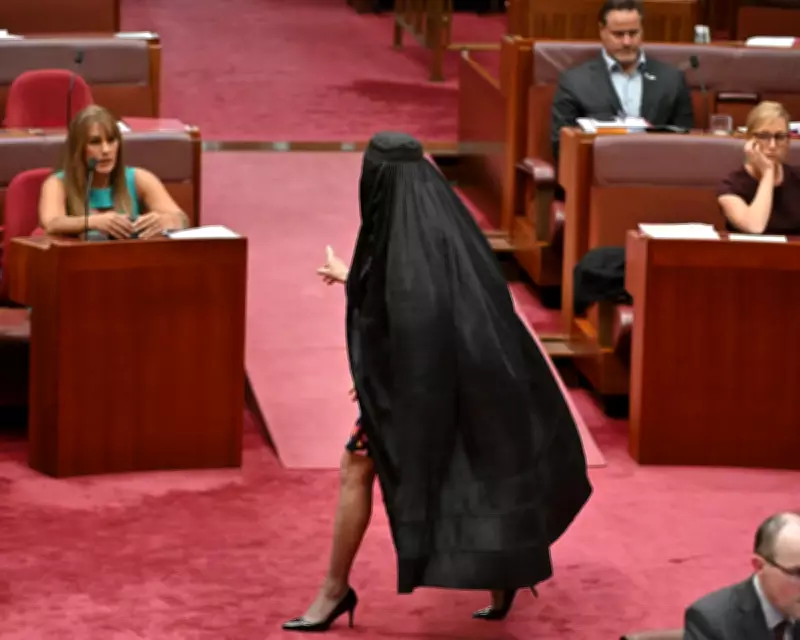
In a significant political development, Independent members of parliament and the Greens have jointly called on the Labor government to implement urgent changes to parliamentary rules, aiming to combat overt racism within the legislative chamber. This demand follows a series of recent incidents where racist remarks were made during debates, sparking widespread outrage and highlighting systemic issues in Australia's political discourse.
Growing Pressure for Parliamentary Reform
The push for reform comes as both Independents and Greens argue that current parliamentary protocols are insufficient to address and penalize overt racism effectively. They emphasize that such behavior not only undermines democratic values but also perpetuates harm against marginalized communities. The Labor government, led by Prime Minister Anthony Albanese, is now under mounting pressure to respond to these calls, with critics warning that inaction could erode public trust in political institutions.
Recent Incidents Fueling the Demand
Recent parliamentary sessions have witnessed multiple instances of overt racism, including derogatory comments targeting Indigenous Australians and other minority groups. These incidents have been widely condemned by advocacy groups and the public, leading to renewed scrutiny of how parliament handles such misconduct. Independents and Greens point out that existing rules often allow racist remarks to go unpunished or result in minimal consequences, failing to deter future offenses.

In response, they are proposing specific amendments to parliamentary standing orders, such as introducing stricter penalties for racist behavior, including suspensions or fines, and establishing an independent body to investigate complaints. These measures aim to create a more inclusive and respectful environment, ensuring that all members can participate in debates without fear of discrimination.
Labor's Position and Potential Challenges
The Labor government has acknowledged the concerns raised by Independents and Greens, with some ministers expressing support for reviewing parliamentary rules. However, internal divisions within the Labor party and potential resistance from opposition groups could complicate the reform process. Additionally, there are debates over the balance between free speech and the need to curb hate speech, which may require careful negotiation to achieve consensus.
Despite these challenges, advocates stress that timely action is crucial to uphold Australia's commitment to equality and human rights. They argue that reforming parliamentary rules is not just a symbolic gesture but a necessary step to address deep-seated racial biases in politics and society at large.
Broader Implications for Australian Politics
This demand for change reflects a broader shift in Australian politics, where issues of diversity and inclusion are increasingly taking center stage. As the country grapples with its colonial history and ongoing racial tensions, the outcome of this push could set a precedent for how future governments handle similar controversies. Observers note that successful reform could enhance Australia's international reputation and foster greater social cohesion.
In conclusion, the call from Independents and Greens for Labor to change parliamentary rules to counter overt racism marks a pivotal moment in Australia's political landscape. With public attention focused on these issues, the government's response will be closely watched, potentially shaping the trajectory of anti-racism efforts in the years to come.