US House Rejects War Powers Resolution to End Trump's Iran Hostilities
The United States House of Representatives decisively rejected a Democratic-backed war powers resolution on Thursday, effectively allowing former President Donald Trump to continue military hostilities with Iran without explicit congressional authorization. The measure, which would have compelled the withdrawal of US troops until Congress formally approved military action, failed by a narrow vote of 212-219, highlighting deep partisan divisions over foreign policy and executive power.
Partisan Divide in Congressional Vote
The vote largely followed party lines, with only two Republicans breaking ranks to support the resolution and four Democrats voting against it. The resolution was co-sponsored by Republican Representative Thomas Massie and Democratic Representative Ro Khanna, who argued that the Constitution requires presidential seeking of congressional approval before entering military conflicts. This House rejection came just one day after Senate Republicans blocked a similar war powers resolution, demonstrating unified GOP opposition to limiting Trump's military authority.
House Republican Speaker Mike Johnson strongly condemned the resolution during a Wednesday press conference, stating, "I think passage of a war powers resolution right now is a terrible, dangerous idea. It would empower our enemies, it would kneecap our own forces and it would take the ability of the US military and the commander-in-chief away from completing this critical mission to keep everybody safe."

Background of the Iran Conflict
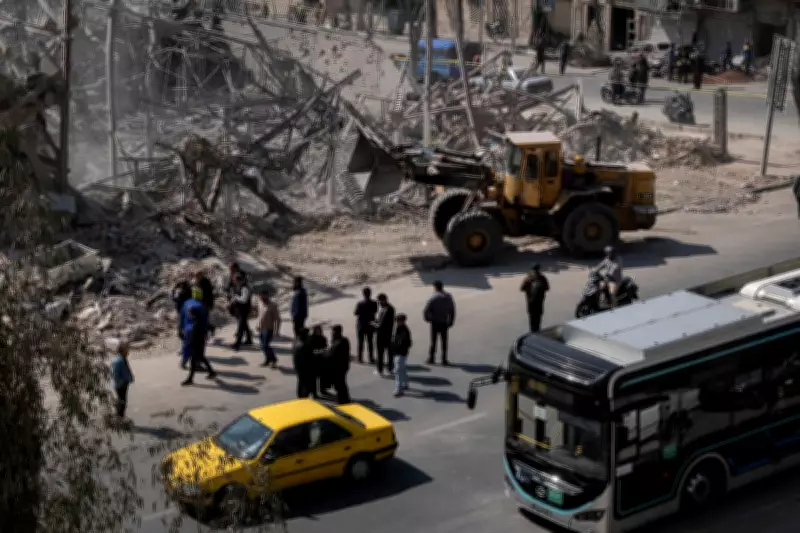
The military campaign against Iran began after weeks of failed negotiations regarding Iran's nuclear program. While the Trump administration provided advance notice of the attack to a small group of top lawmakers, it did not seek formal congressional authorization for hostilities. The conflict has already resulted in significant casualties, with six US troops killed and approximately 1,230 people dead in Iran, according to official reports.
Secretary of State Marco Rubio offered shifting explanations for the timing of the US attack, telling reporters that Washington acted because Israel planned to strike Iran, which would likely prompt retaliation against US assets in the Middle East. This lack of clear justification has fueled Democratic outrage, with House Minority Leader Hakeem Jeffries arguing during the debate, "We have no concrete justification for why we are putting American troops in harm's way and spending billions of dollars on a foreign war while the affordability crisis rages here at home."
Constitutional Arguments and Historical Context
Republican supporters of the resolution emphasized constitutional principles over partisan loyalty. Representative Massie noted, "The 1973 War Powers Resolution states plainly that the president may only introduce US armed forces into hostilities pursuant to three conditions: either one, declaration of war; two, specific statutory authorization; or three, a national emergency created by an attack upon the United States. None of those conditions exist today."
Rightwing lawmaker Warren Davidson echoed these concerns, warning, "For some, this debate will be about whether we should even be fighting in Iran. For me, the debate is more fundamental: is the president of the United States, regardless of the person holding the office, empowered to do whatever he wants? That's not what our constitution says."
The War Powers Resolution was originally enacted by a Congress frustrated by President Richard Nixon's deployment of troops across Southeast Asia without congressional authorization. Since its passage, no war powers resolution has successfully passed Congress, though such measures provide lawmakers with opportunities to formally record their positions on presidential military actions.
Broader Implications for Congressional Authority
Florida Democrat Jared Moskowitz, a supporter of Israel, voted for the resolution to reclaim congressional powers that he believes have been eroded under recent administrations. In a statement, Moskowitz declared, "Congress is on the verge of irrelevancy. We have done this to ourselves, and no one is coming to save us if we don't show some sign of life."

The failed vote underscores ongoing tensions between executive and legislative branches regarding war powers, particularly as the Iran conflict continues without clear objectives or endpoint. Republicans maintain control of both chambers of Congress and have consistently supported Trump's authority to conduct military operations, while Democrats argue the administration has embarked on an illegal war with ambiguous goals.