Hounslow Council 2026 Election: Labour Faces Multi-Party Challenge
As Hounslow heads into the 2026 local elections, Labour remains firmly in control of the council, but the political landscape has become significantly more complex compared to four years ago. While Labour is still favored to maintain its hold in May 2026, experts suggest it will be by a narrow margin. The election features Reform UK contesting all 62 seats, the Green Party targeting areas like Chiswick, and numerous independent candidates across the borough, all while Band D council tax reaches £2,185.
With turnout historically low in Hounslow, even minor fluctuations in vote share could dramatically reshape individual wards. This creates an environment where multiple challengers are poised to influence the outcome, making the 2026 contest one of the most competitive in recent memory.
Recent Political Shifts and Historical Context
In the 2022 Hounslow Council election, Labour secured 52 of 62 seats following boundary changes, with the Conservatives taking the remaining 10. Turnout was a modest 33.4 percent, accompanied by a 2.2 percent swing from Labour to the Conservatives. Since that election, the political dynamics have shifted considerably.
There have been defections in both directions between Labour and the Conservatives, one Labour councillor has joined the Greens, and five former Labour councillors now sit as independents. Additionally, an independent candidate won a by-election from Labour in 2025. Despite this political churn, Labour continues to dominate Hounslow politics, having controlled the borough for most of its history.
However, the current electoral cycle unfolds against a backdrop of increasingly fragmented voting patterns across London. Professor Tony Travers from the London School of Economics notes that Labour is likely to retain control of Hounslow Council in 2026, but only just. This assessment reflects both national polling trends and intensified local competition.
Multiple Challengers Reshape the Contest
The 2026 Hounslow local elections stand out due to the sheer number of parties and candidates vying for seats across the borough. The Conservatives remain the primary opposition, campaigning on a back to basics platform focused on council tax, street cleanliness, neighbourhood safety, and transport policy. They argue that residents are paying more and getting less from local services.
Reform UK is contesting all 62 seats, marking a significant expansion from previous elections. The party has identified outer London boroughs like Hounslow as potential growth areas, particularly in western wards such as Feltham, Hanworth, and Bedfont. A recent defection from Labour to Reform has heightened the party's local visibility.
The Green Party is fielding candidates across the borough, though not in every ward, and is expected to concentrate efforts in areas like Chiswick where demographic trends may be favorable. While seeking to build on its broader London momentum, the Greens currently have limited representation on Hounslow Council.
Approximately 15 independent candidates are standing across several wards, including a small grouping under the Brentford and Isleworth banner. Although independents have historically struggled to win seats, recent by-election results indicate they could play a pivotal role in tighter contests.
The Liberal Democrats are also fielding candidates, aiming to re-establish a presence on Hounslow Council where they currently hold no seats.
Key Policy Issues and Local Pressures
Policy debates in the Hounslow Council election reflect both immediate local pressures and longer-term development plans. The Labour administration, led by council leader Shantanu Rajawat, has emphasized investment in housing, regeneration, and services. The council's latest budget allocates funding for social housing, community programmes, and infrastructure, alongside plans to support economic growth.
One of the borough's most significant projects is the Golden Mile regeneration corridor along the Great West Road, which is anticipated to deliver new homes, jobs, and investment in the coming years. Regeneration in Brentford and other parts of the borough remains a focal point.
Simultaneously, residents grapple with ongoing cost pressures. Average house prices in Hounslow exceed £500,000, with rents approaching £2,000 per month. Council tax for a Band D property is set at £2,185 for the 2026/27 period.
Transport and public realm issues also feature prominently in the campaign. Decisions surrounding e-bike contracts, road schemes, and broader connectivity, including proposals like the West London Orbital rail link, have garnered attention in recent months.
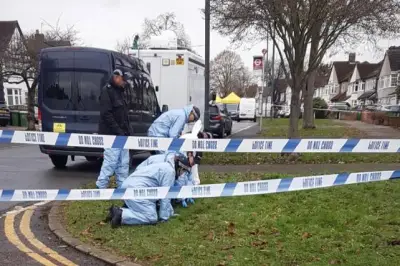
Community concerns, including policing, theft, and neighbourhood safety, have also emerged, with local police increasing patrols in response to reported incidents.
Competitive Outlook and Potential Outcomes
While Labour remains the clear frontrunner to retain Hounslow Council, the 2026 local elections are expected to be more competitive than in previous cycles. The presence of Reform UK, Green candidates, independents, and a full Conservative slate means votes will likely be distributed more widely across parties.
In a borough where turnout is typically low, relatively small changes in vote share could significantly impact results in individual wards. Nevertheless, most projections indicate that a change in overall control remains improbable. The election will ultimately test Labour's resilience against a fragmented opposition in one of London's key political battlegrounds.