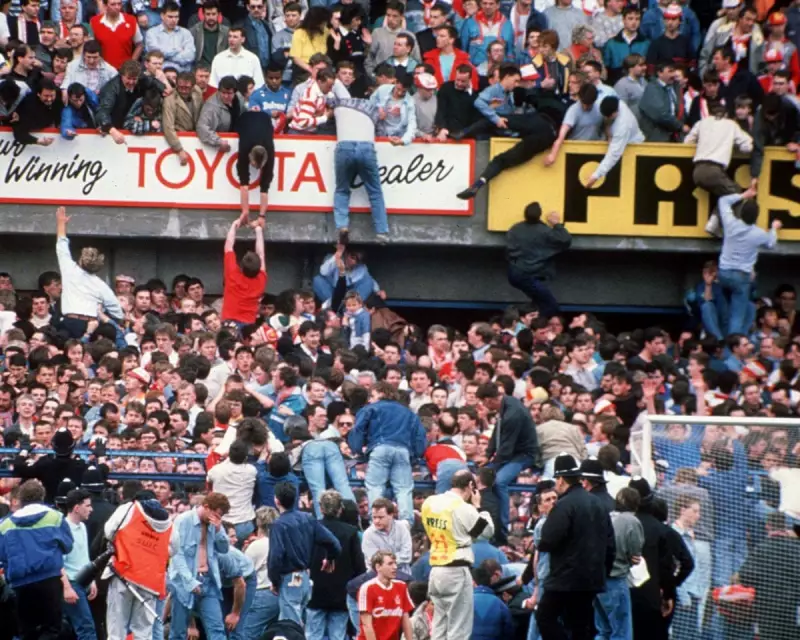
The Independent Office for Police Conduct has published its final report into the 1989 Hillsborough disaster, concluding that 97 people were unlawfully killed but that no one will be held accountable. The mammoth investigation, which began in 2012, has named 12 former officers who would have faced gross misconduct cases, but the passage of 36 years means all have retired or died.
A Generation's Fight for Justice Ends Without Consequences
For the bereaved families and survivors, the report's publication brings a conflicted sense of closure. Charlotte Hennessy, who was six when her father James died, welcomed the findings but acknowledged disappointment. "While some conclusions are disappointing, we respect that the process was investigated and accept the element of closure," she said.
The report details how the original complainants, some of whom were fathers who lost children, have themselves died during the 14-year investigation. Steve Kelly, who lost his brother Mike, noted the immense personal cost: "This has taken up exactly half my life – 36 years... Anything to do with Hillsborough takes a piece of you away."

Systemic Failures and a False Narrative
The IOPC found that former South Yorkshire Police Chief Constable Peter Wright would have faced a gross misconduct case for seeking to minimise his force's culpability and for promoting the false narrative that drunken Liverpool supporters were to blame. This defamation traumatised a city and forced families to spend decades fighting for the truth.
The watchdog's conclusions have caused bewilderment and fury among families, as it found no other officers broke rules by advancing this "best case" defence during the initial Taylor Inquiry. The report criticises the subsequent West Midlands Police investigation as "extremely and inexplicably limited" and biased in favour of South Yorkshire Police.
A Legal System That Failed the Bereaved
The journey to this point has been marked by profound legal failures. The first inquests returned a verdict of accidental death, which stood for over two decades. It was only the work of the non-legal Hillsborough Independent Panel in 2012, led by Professor Phil Scraton, that forced the verdict to be quashed.
The second inquests, concluding in 2016, determined the 96 victims (later 97) were unlawfully killed due to gross negligence manslaughter by match commander David Duckenfield. Yet, Duckenfield was acquitted in a criminal trial in 2019, highlighting the legal system's enduring contradictions.
The IOPC has now upheld 110 complaints against former officers, but no disciplinary proceedings will ever be heard. The report ends with support for the newly introduced "Hillsborough Law" duty of candour, stating that had it existed in 1989, the families' fight would have been far less traumatic.
Ultimately, while policing has undergone reform since the tragedy, the legal system itself remains aloof, inscrutable, and unaccountable for one of Britain's most monumental miscarriages of justice.