Hillingdon Council 2026 Election: A Three-Way Battle Amid Financial Strain
The 2026 local elections in Hillingdon present a critical juncture for the borough, with the Conservative Party's long-standing control since 2006 under severe threat from multiple fronts. Labour remains in contention despite internal fragmentation, while Reform UK aggressively targets this historically Leave-voting area. The political landscape is further complicated by a deferred ward election and significant financial pressures, including a contentious council tax increase and a multi-million-pound Heathrow-linked funding shortfall.
Election Disruption and Ward Deferral
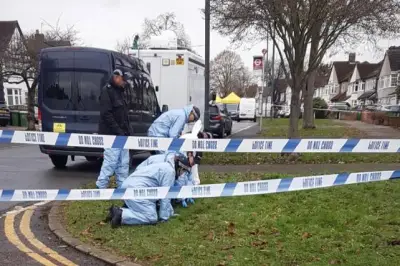
Voters in Hillingdon will experience a disrupted electoral process this May following the tragic death of Reform UK candidate Shaun Cooling. While twenty wards proceed as scheduled on Thursday, May 7, the contest for Hillingdon West has been postponed to Thursday, June 18. Incumbent Conservative councillors Adam Bennett and Reeta Chamdal will retain their positions until the summer poll, with candidate nominations reopening on May 13. This unusual circumstance adds an extra layer of uncertainty to an already volatile election cycle.
Conservative Majority Under Siege
The Conservatives have governed Hillingdon since 2006, but their grip has weakened considerably. The 2022 elections saw their majority slip following boundary changes that reduced council seats from 65 to 53, leaving the Tories with 30 seats and Labour with 23. Since then, opposition dynamics have shifted dramatically, with five Labour councillors breaking away to form the Hayes Independent Party and another defecting to the Greens. This fragmentation creates opportunities for other parties to gain ground in a council that could potentially see no overall control.
Financial Pressures: Tax Hikes and Heathrow Squeeze
Local finances are under immense strain, with Hillingdon Council approving a 4.99 per cent tax hike for the 2026/27 financial year. This increase sets the Band D rate at £2,045.46, representing an approximate rise of £1.40 per week for residents. Cabinet member Eddie Lavery attributes these "tough financial pressures" to a 10 per cent population boom over the past decade, which has stretched social care and housing demand to its limits.
Additionally, the borough faces a unique "Heathrow tax" burden. Hillingdon claims that under-funding for asylum and immigration costs linked to the airport has created a multi-million-pound liability for local taxpayers. While a recent Whitehall review acknowledged the borough has been under-resourced, the phased nature of the funding uplift leaves a staggering £65 million shortfall over the next two years, placing further strain on essential local services.
Reform UK's Aggressive Targeting
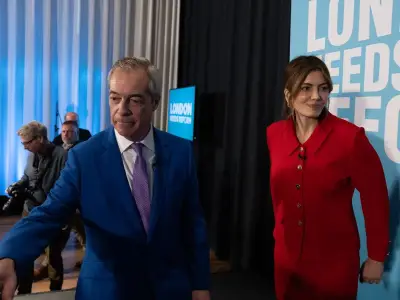
Hillingdon's history as a Leave-voting area in the 2016 EU referendum has made it a prime target for Reform UK. Professor Tony Travers of the London School of Economics predicts significant gains for Nigel Farage's party, suggesting the council could fall into "no overall control" with Conservatives, Labour, and Reform all holding substantial territory. The threat of a Reform surge has triggered what opponents describe as a "desperate uniparty response" from established parties.
A Conservative campaign leaflet recently surfaced featuring an endorsement from David Bond, a former Labour Mayor of Ealing, urging residents to vote Tory specifically to block Reform. Laila Cunningham, Reform's London mayoral candidate and a former Conservative councillor, dismissed this tactic as a "self-serving cartel" fighting for political survival rather than representing constituents' interests.
Political Landscape and Predictions
The convergence of financial pressures, political fragmentation, and external targeting creates one of London's most unpredictable local election battles. With the Conservatives defending a diminished majority, Labour dealing with internal splits, and Reform UK making aggressive inroads, the possibility of no overall control appears increasingly likely. The deferred Hillingdon West ward election adds another variable that could influence the final outcome weeks after the main election day.
As Hillingdon residents prepare to vote, they face not only political choices but also the practical implications of council tax increases and service constraints resulting from the Heathrow funding gap. The 2026 election will determine whether the Conservatives can maintain their two-decade hold on power or whether a new political configuration will emerge to address the borough's complex challenges.