‘Hexit’ Row Erupts as MP Advocates Havering’s Departure from London
In a move that has reignited a decades-old debate, Reform MP Andrew Rosindell has sparked a political controversy by proposing that Havering should hold a referendum on leaving London and rejoining Essex as a self-governing authority. Dubbed ‘Hexit,’ this proposal has stirred passionate discussions among residents in Romford, where market traders and locals are weighing the implications of such a seismic shift.
Historical Context and Modern Implications
More than six decades after boundary changes incorporated Romford and Hornchurch into Greater London, the question of Havering’s identity is resurfacing with renewed vigor. Rosindell argues that Havering is not truly east London but rather Essex in exile, citing historical ties predating the Greater London Council’s abolition. He claims that rejoining Essex would grant the borough greater control over local issues such as town center development, policing, and environmental policies like the Ultra Low Emission Zone (ULEZ).
At a rally in Romford Town Hall, Rosindell emphasized his commitment to letting residents decide, framing the debate as a matter of autonomy versus integration. This comes amid broader concerns about resource allocation, with some residents feeling sidelined in housing and development priorities compared to other London boroughs.

Resident Voices: A Divide Over Identity and Benefits
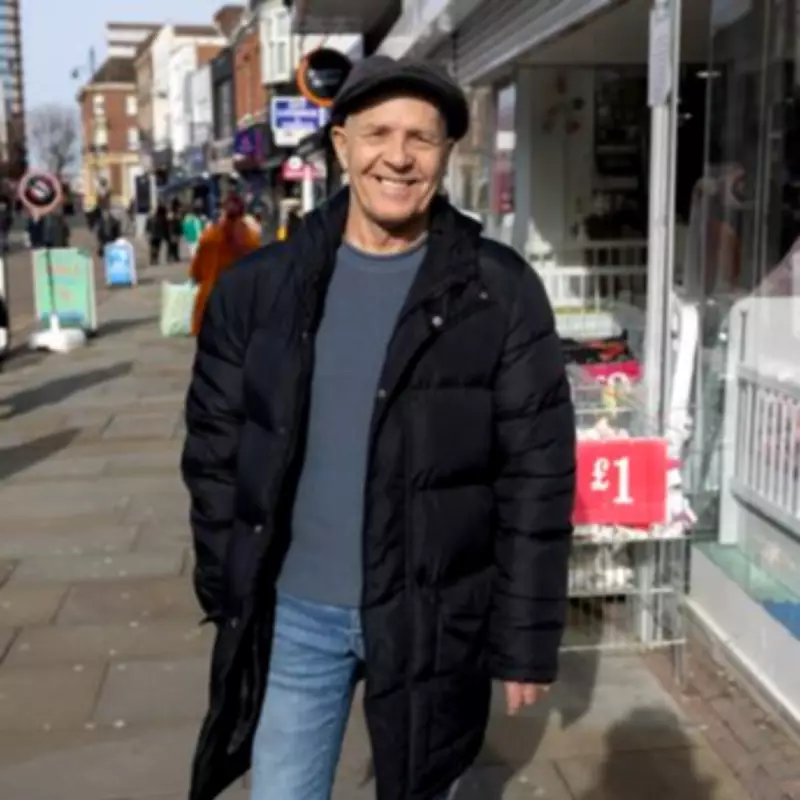
MyLondon conducted interviews in Romford to gauge public opinion, revealing a stark divide. Gary Nott, 68, expressed unwavering pride in being a Londoner, highlighting benefits like the Freedom Pass, London transport, and emergency services. “I’ve always known it as a London borough,” he said, questioning why anyone would forfeit these advantages for an uncertain future in Essex.
In contrast, Lewis Hay, 40, voiced skepticism about London’s governance, citing frustrations with housing allocations and bureaucratic delays. “I’ll believe it when I see it,” he remarked, reflecting a sentiment of disillusionment with political promises. Similarly, Karl and Emma, local residents, leaned toward supporting the change, with Emma noting, “I always say to people I live in Essex anyway,” suggesting a latent identification with the county.
Daerick Obasohan, 22, aligned with Nott, stressing the practical benefits of remaining in London, such as superior transport links. Meanwhile, Ediz Sahin, 24, owner of Cafe Bueno, dismissed the proposal as largely symbolic, arguing that a name change would not address core issues like infrastructure or funding. Sharon Joslyn, 57, echoed concerns about losing multicultural diversity and London-specific perks, stating, “What does it matter by taking us out of London?”
Key Issues at Stake
- Transport and Services: Residents fear losing access to London’s integrated transport network, including the Freedom Pass for seniors, and facing disruptions in policing and fire services.
- Housing and Development: Some argue that leaving London could prioritize local housing needs, while others worry about reduced investment and oversight.
- Environmental Policies: Opposition to ULEZ is a driving factor for proponents of ‘Hexit,’ though critics question whether Essex would offer better alternatives.
- Cultural Identity: The debate taps into deep-seated feelings about belonging, with older generations often identifying as Londoners and younger or newer residents more open to an Essex affiliation.
Political and Social Ramifications
Rosindell’s pledge has injected a fresh dynamic into local politics, potentially swaying voter sentiment in upcoming elections. By framing ‘Hexit’ as a reclaiming of Essex heritage, he appeals to those dissatisfied with London’s expansion and governance. However, opponents warn of fragmentation and loss of unity, emphasizing Havering’s role in London’s multicultural fabric.
As the conversation continues, it underscores broader tensions between local autonomy and metropolitan integration in the UK. Whether ‘Hexit’ gains traction remains to be seen, but it has undoubtedly sparked a vital dialogue about community, resources, and identity in an ever-evolving urban landscape.