The political landscape of London could be reshaped by a dramatic new proposal, as a Reform UK MP has vowed to grant the east London borough of Havering a vote on whether to remain part of the capital or seek independence. This potential referendum, dubbed 'Haverexit' by some, hinges on the election of Nigel Farage as Prime Minister, according to Andrew Rosindell, the MP for Romford who recently defected from the Conservatives to Reform.
A Bold Promise for Local Autonomy
Speaking at a Reform UK supporters' event on Monday, Andrew Rosindell articulated a vision of Havering breaking free from London's governance. He emphasized that the borough, historically part of Essex before the 1965 formation of Greater London, should reclaim its identity and self-determination. Rosindell declared, "We are not east London, we are Essex," underscoring a long-standing dissatisfaction with the borough's inclusion under the Greater London Authority (GLA).
He outlined that altering Havering's status would require legislative action, which he pledged would be a priority under a Reform government led by Nigel Farage. "The next Reform UK Government under Prime Minister Nigel Farage... will give Havering a choice, a choice to break free of the Mayor of London and become a self-governing unitary authority once again," Rosindell stated. This move, he argued, would restore local control over key issues like town centre development and eliminate policies such as the Ultra Low Emission Zone (ULEZ), which he claims has divided communities.

Historical Context and Current Grievances
Havering was established in 1965 through the merger of Romford Borough Council and Hornchurch Urban District, both previously in Essex. Rosindell has frequently expressed discontent with the borough's deal under the GLA, citing opposition from his constituents in Romford, Havering's largest town, to ULEZ and the closure of local police stations. He framed the referendum as a means to ensure that policies affecting Havering are decided by its residents, rather than by what he termed a "dictatorship from the Mayor of London or City Hall."
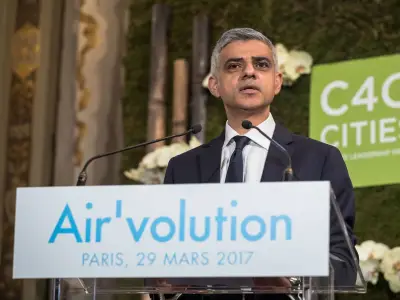
This proposal emerges amid Reform UK's efforts to gain ground in London's political arena. Ahead of the local elections in May, two Conservative councillors in Havering defected to Reform, signaling growing support. The party's candidate for Mayor of London, Laila Cunningham, has also stirred controversy by stating she "pities" Londoners and criticizing the city's safety, though Mayor Sadiq Khan has rebuked such portrayals as painting a "dystopian picture" of a diverse and thriving metropolis.
Broader Political Implications
The 'Haverexit' idea reflects broader tensions within UK politics, echoing themes of local control and anti-establishment sentiment. Nigel Farage recently emphasized that Reform UK is not a "one-man band," unveiling a top team including figures like Robert Jenrick and Suella Braverman. This development suggests the party is positioning itself as a formidable force, potentially challenging traditional parties in upcoming elections.
If implemented, a Havering referendum could set a precedent for other boroughs considering similar moves, reshaping London's administrative structure. However, it remains contingent on Reform UK achieving national power, a scenario that political analysts view as uncertain but increasingly plausible given current electoral dynamics.
As the debate unfolds, residents of Havering and Londoners at large will watch closely, weighing the promises of greater autonomy against the complexities of governance and identity in one of the world's most iconic cities.