Political Fallout as Hate Speech Legislation Passes Parliament
The Australian political landscape witnessed significant developments today as controversial hate speech laws cleared parliament, prompting internal rifts and public debate. The legislation, designed to combat the spread of hate and restrict access to firearms, has ignited fierce discussions across party lines and raised concerns about its broader implications.
Former Prime Minister Fires Back Over Antisemitism Comments
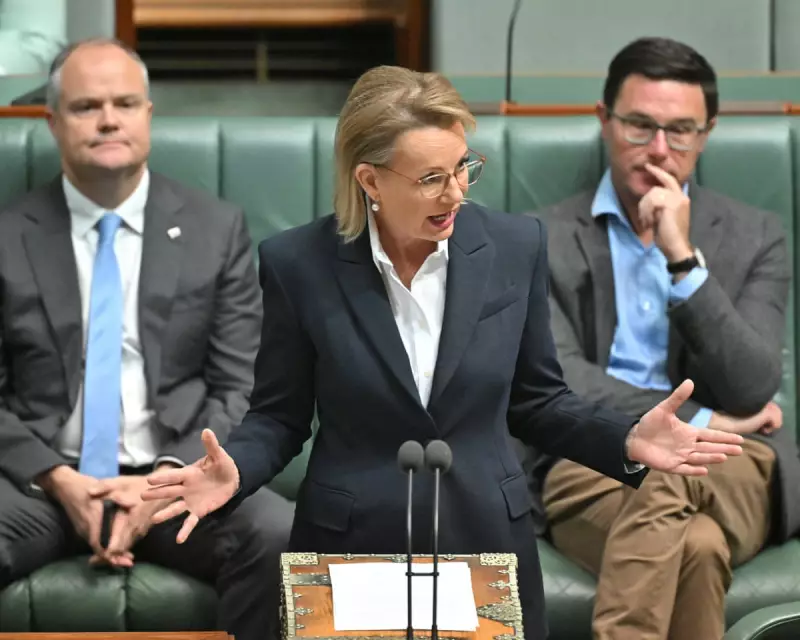
Former Prime Minister Scott Morrison launched a sharp rebuke against current leader Anthony Albanese regarding comments made during Tuesday's question time. Morrison took to social media platform X to assert, "Hamas never praised the actions of my Government @AlboMP, but they did praise yours." This exchange followed Opposition Leader Sussan Ley's questioning about whether Albanese would apologise for not addressing antisemitism concerns more promptly.
Government Defends Legislation Amid Coalition Support
Foreign Affairs Minister Penny Wong defended the newly passed hate speech laws, emphasising their role in tackling hate dissemination and gun access despite modifications made to secure Coalition backing. Meanwhile, Home Affairs Minister Tony Burke expressed confidence that Jewish Australians would experience enhanced safety following the legislation's parliamentary approval.

Greens Express Concerns Over Legislative Scope
David Shoebridge, the Greens' justice spokesperson, voiced ongoing apprehensions about which groups might be targeted under the new hate speech regulations. He highlighted difficulties in obtaining comprehensive answers about the bill's scope within the constrained timeline before its parliamentary presentation.
Nationals MPs Resign Over Legislative Disagreement
Opposition Leader Sussan Ley accepted the resignations of three Nationals MPs – Bridget McKenzie, Ross Caddell, and Susan McDonald – following their decision to break with shadow cabinet positions on Labor's hate speech bill. All three politicians will transition to backbench roles after voting against the legislation during Tuesday night's parliamentary session.
NSW Ends Controversial Lockout Laws After Twelve Years
New South Wales officially terminated the final major provisions of its contentious lockout laws, marking the conclusion of a twelve-year era. The state government announced the removal of remaining restrictions, including the 3.30am "last drinks" regulation, mandatory plastic cup usage, and requirements for RSA marshals after midnight at specific venues.
Police Impose CBD Bans for Australia Day
NSW police confirmed issuing bans preventing certain individuals from entering Sydney's central business district on 26 January. Among those affected is Jack Eltis, former NSW leader of the now-disbanded neo-Nazi group National Socialist Network, who revealed on his Telegram channel that he had received such an order.
Queensland Rejects Housing Recommendations
The Queensland government dismissed a series of recommendations from the state productivity commission that proposed measures to reduce rents and house price growth by up to 64% while delivering 660,000 new homes. Premier David Crisafulli confirmed during a Rockhampton press conference that Queensland would not support the federal gun buy-back scheme.
These developments underscore the complex interplay between legislative action, public safety concerns, and political alignment in contemporary Australian governance.