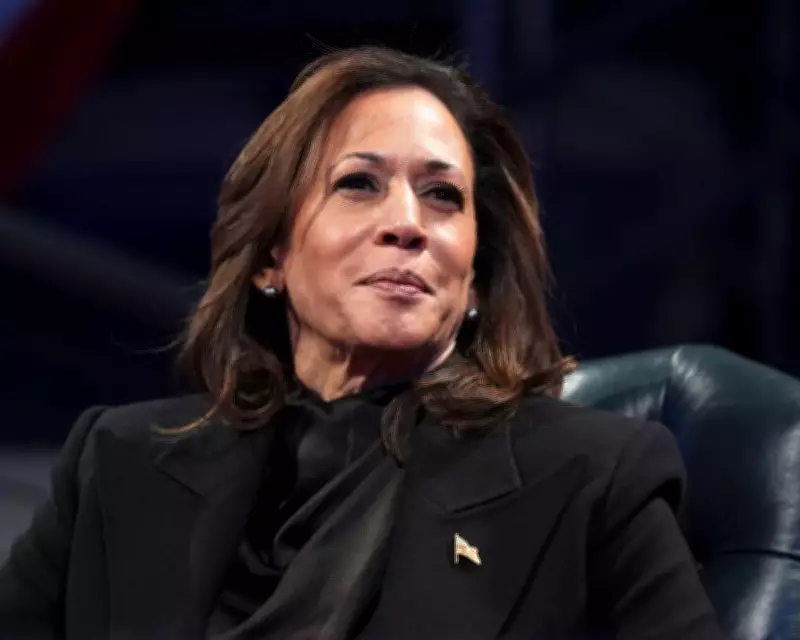
Kamala Harris's 2028 Presidential Ambitions Face Scrutiny Amid Democratic Unity Concerns
In a political landscape still reeling from the tumultuous 2024 election, Vice President Kamala Harris has subtly indicated she may pursue the White House again in 2028. However, this prospect has ignited significant apprehension among political observers who argue that another Harris campaign could exacerbate internal Democratic divisions at a time when unity is paramount.
A Campaign Defined by Shortcomings and Silence
Harris's 2024 presidential bid, though brief, revealed critical weaknesses that many believe disqualify her from future contention. Her campaign was widely criticized for lacking genuine authenticity and steadfast conviction, often appearing more aligned with wealthy donors than with the pressing concerns of ordinary Americans. This perception was particularly damaging given the high stakes of the election against Donald Trump.
Perhaps most damning was Harris's conspicuous silence on the Gaza conflict during her campaign. Her refusal to include Palestinian voices at the Democratic National Convention and her equivocal stance are seen as emblematic of a broader party failure to connect with younger voters and address urgent human rights issues. Polling data and an unreleased Democratic National Committee report reportedly suggest this stance cost her crucial support, yet Harris has shown little reflection on this misstep, even in her memoir, "107 Days."

The Peril of Democratic Infighting in a Precarious Democracy
The United States finds itself at a pivotal juncture for democratic integrity. With pro-Trump factions allegedly exploring measures to influence the 2028 election—including potential national emergency declarations to restrict voting methods—the need for a cohesive Democratic strategy has never been more acute. Trump himself has repeatedly floated the idea of bypassing elections altogether, underscoring the fragility of the electoral process.
In this context, the prospect of a 2028 Democratic primary dominated by ego-driven campaigns is viewed as a dangerous distraction. Resources and energy that should be directed toward safeguarding democracy and uniting behind a viable candidate could instead be squandered on internal conflicts. As author Ta-Nehisi Coates noted, a party that cannot unequivocally condemn genocide may struggle to defend democracy itself.
Harris's Political Capital and the Path Forward
Since her 2024 loss, Harris has maintained a relatively low profile, focusing on her book and select appearances, such as at the 2025 Australian Real Estate Conference. Her recent endorsement of Jasmine Crockett in the Texas Democratic Senate primary—her first such endorsement since 2024—ended in defeat, raising questions about her remaining political influence.
While some liberals argue that issues like Palestinian rights are peripheral and should be set aside for electoral pragmatism, critics contend that Harris's failures on such matters highlight a deeper malaise within the Democratic Party. The party's adherence to a cautious centrism, they argue, has rendered it increasingly unpopular and disconnected from the electorate, particularly younger voters.
A Call for Renewal and Strategic Clarity
The Democratic Party cannot afford to repeat the mistakes of the past by fielding uninspiring candidates or promoting a tepid agenda. The 2028 election cycle demands a candidate who can galvanize the base, articulate a clear vision, and demonstrate unwavering commitment to democratic principles. Harris's truncated 2024 campaign, marked by her reluctance to break from President Joe Biden's policies, suggests she may not be that candidate.
As the nation grapples with the ongoing repercussions of Trump's presidency and the looming threats to electoral integrity, Democrats must prioritize unity and strategic foresight. The run-up to 2028 should be a period of consolidation and purpose, not a battleground for personal ambitions. Harris's own mantra—"We're not going back"—might best be applied to her presidential aspirations, urging a step aside for the greater good of the party and the country.

In summary, while the symbolism of a woman defeating Trump's misogynistic legacy is compelling, Kamala Harris's potential 2028 bid raises serious concerns about Democratic cohesion and electoral viability. The party must learn from past errors and rally behind a candidate capable of navigating the profound challenges ahead, ensuring that the defense of democracy remains the foremost priority.