In the closing months of a difficult year, a simple act of human decency on London's transport network offered a powerful antidote to prevailing gloom. Guardian columnist Martin Kettle experienced this firsthand after a potentially disastrous lapse during his commute.
A Chaplinesque Search on a London Platform
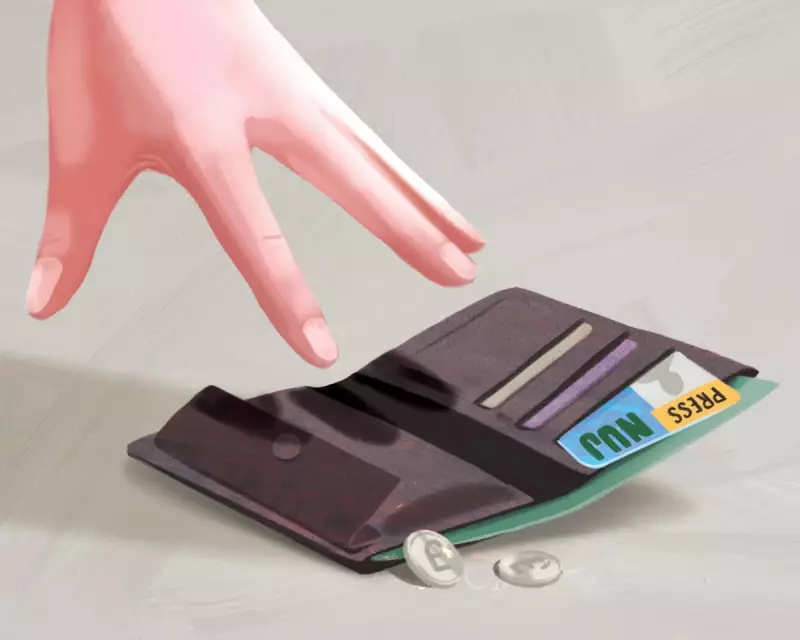
In November, while travelling into the capital, Kettle disembarked his train only to make a horrifying discovery. His wallet was missing. A frantic, comical search through his pockets confirmed his fear: he had left it on the train. A station attendant took his details but offered little hope, noting it was rush hour and the chances of recovery were slim. After cancelling his bank cards, the journalist was left feeling foolish and despondent.
The Unexpected Email from a Good Samaritan
The story, however, took a heartwarming turn. A couple of hours later, an email arrived from a woman named Natalya. She had found the wallet on the train. Not only had she located it, but she had gone out of her way to deliver it to the security desk at the Guardian's offices after spotting Kettle's National Union of Journalists card. Everything was intact, including cash and cards.

This was not an isolated incident. Shortly after, Kettle read a similar account by Belfast Telegraph journalist Sam McBride, who had his wallet returned untouched by a bus driver in Belfast. Two journalists, separated by the Irish Sea, shared the same good fortune.
Challenging the Narrative of a 'Naughty World'
Kettle uses this personal story to question the UK's reflexive collective pessimism. He argues that media, both traditional and social, relentlessly drives a narrative of failure, risk, and danger. While terrible stories of cruelty and greed dominate headlines, quiet acts of everyday kindness like Natalya's are often deemed un-newsworthy.
He draws a parallel with a revealing piece of polling shared by former Health Secretary Andy Burnham. It showed that while public perception of the NHS as an institution was in decline due to negative news, people's personal experiences with the service remained overwhelmingly positive. This disconnect between macro-pessimism and micro-experience is central to Kettle's argument.
The fundamental question posed is this: are we too quick to believe the worst about our society? Is the prevailing view of Britain as a 'howling wilderness of incivility' an accurate reflection of reality, or a distortion amplified by media and politics? Natalya's single act suggests our social and moral norms may be more decent and resilient than we assume.
Kettle concludes that while his wallet story is trivial in the wider scheme, it serves as a crucial reminder. It suggests that the 'better angels of our nature' are not doomed. There are still countless things in society that work well, and countless people who, like Natalya, quietly uphold decency. Recognising this, he suggests, might be a first step towards a less angry, more optimistic public discourse.