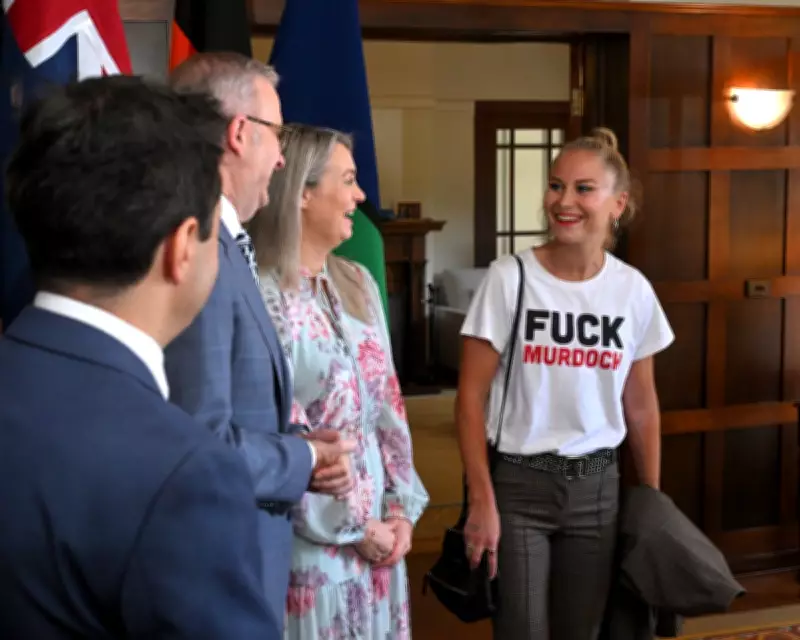
Grace Tame Condemns Prime Minister Anthony Albanese's 'Difficult' Description as Misogynistic
In a heated exchange that has ignited public debate, Grace Tame, the 2021 Australian of the Year and a prominent advocate for sexual abuse survivors, has sharply criticized Prime Minister Anthony Albanese for labeling her as "difficult." The controversy erupted after Albanese was asked to describe Tame in a single word during a recent interview, and he chose the term "difficult," later clarifying that he intended to reference her "difficult life" rather than her character.
Tame's Forceful Rebuttal and Allegations of Misogyny
Tame responded swiftly on social media, asserting that "we all know what you meant" and implying that Albanese was echoing sentiments similar to those of former Prime Minister Scott Morrison. She reshared a post on her Instagram story, stating, "'Difficult' is the misogynist's code for a woman who won't comply. History tends to call her 'courageous.'" This retort underscores her view that the remark perpetuates harmful stereotypes against women who challenge authority or speak out on contentious issues.
Albanese, who also praised Tame's advocacy as "courageous" in the same context, issued an apology for "any misinterpretation" of his one-word answer. However, Tame's reaction highlights deeper tensions between political figures and activists, particularly in discussions surrounding gender dynamics and survivor advocacy in Australia.
Broader Context of Advocacy and Political Discourse
This incident occurs against a backdrop of ongoing national conversations about sexual abuse, mental health, and political accountability. Tame, known for her unwavering stance on survivor rights, has frequently been at the forefront of these discussions, often clashing with political leaders over policy and rhetoric. Her advocacy has brought significant attention to issues such as institutional responses to abuse and the need for systemic change.
The clash with Albanese reflects a broader pattern where advocates like Tame face pushback or dismissive language from those in power, raising questions about how political leaders engage with critics and the language they use to describe them. It also touches on themes of rejection sensitive dysphoria, a condition where individuals experience intense emotional pain from perceived criticism or rejection, which has been gaining recognition in public discourse.
Implications for Australian Politics and Public Perception
This controversy may impact public perception of Albanese's leadership and his administration's approach to social issues. As Tame continues to be a vocal figure in Australian media, her criticisms could influence voter sentiment, especially among those concerned with gender equality and survivor advocacy. The incident serves as a reminder of the power dynamics at play in political communications and the importance of mindful language when discussing individuals who have experienced trauma.
In related news, other stories from Australia include former New Zealand Prime Minister Jacinda Ardern's relocation to Australia for work, updates on emergency alert systems, and economic reports such as Qantas's substantial profit announcement. These developments contribute to a complex news landscape where social advocacy and political narratives frequently intersect.
As the debate unfolds, it underscores the ongoing challenges in balancing political diplomacy with the demands of activists pushing for change. Tame's response not only defends her own reputation but also amplifies calls for more respectful and substantive dialogues between government officials and community advocates.