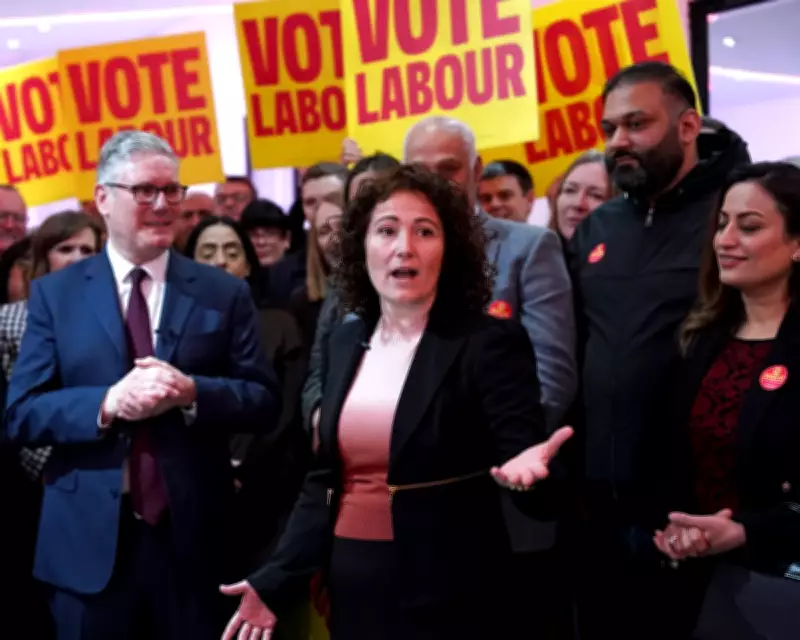
Gorton Byelection: A Pivotal Test for Starmer's Leadership Amid Three-Way Dead Heat
The Gorton and Denton byelection represents the most significant electoral challenge yet for Prime Minister Keir Starmer, occurring just before anticipated difficult results for Labour in the upcoming May local elections. Current polls indicate the race is in a three-way dead heat, making it nearly impossible to predict the outcome. This contest holds particular symbolic weight due to the threats Labour faces from Reform UK and the Green party in what was once considered a safe seat for the party.
A loss for Labour would intensify scrutiny on Starmer's controversial decision to block Andy Burnham, the mayor of Greater Manchester, from contesting the seat. Regardless of the result, the byelection carries substantial implications for Starmer's premiership and the broader political environment. Here is an in-depth analysis of what each potential outcome could signify.
Scenario 1: A Reform UK Victory
A win for Reform UK candidate Matt Goodwin would serve as the strongest indication to date that Nigel Farage's poll lead reflects genuine voter intentions rather than mere dissatisfaction with the government. Goodwin has focused the campaign largely on making it a referendum on Starmer's leadership, often avoiding discussions of Reform's specific policies or local issues. According to an insider, Gorton and Denton ranks 440th on Reform's target list, yet a victory here would suggest the party is maintaining momentum, following its narrow win in the Runcorn and Helsby byelection almost a year ago.

Reform has mobilized at least 1,000 activists to encourage voter turnout, particularly targeting individuals who do not typically vote, a strategy that has proven effective in previous byelections. Goodwin, a divisive and hyper-online figure with family roots in Manchester but extensive adult years spent in southeast England, presents a polarizing candidacy. A Reform triumph would undermine Labour strategists' arguments that progressive voters will unite tactically to defeat Reform, potentially leading to bitter recriminations between Labour and the Greens.
If Labour finishes third, it could severely threaten Starmer's position as prime minister, highlighting his inability to unite progressive forces against candidates like Goodwin.
Scenario 2: A Green Party Victory
A Green victory might represent the most catastrophic outcome for Starmer's leadership, demonstrating that the Greens are a serious progressive force rather than merely a protest vote. It would reveal that Labour is not the automatic beneficiary of an anti-Reform alliance, instilling fear in MPs representing urban seats about the growing Green threat, especially with local election results in London on the horizon.
Polls and betting markets have repeatedly placed the Greens ahead, suggesting that candidate Hannah Spencer's enthusiastic campaign could capitalize on increasing disillusionment among progressive voters. The Green coalition is likely to attract former Labour voters seeking to rebuke Starmer, including many from the area's large Muslim community, as well as students and young professionals in Levenshulme.
Labour has launched aggressive attacks on the Greens, criticizing their drug policy and labeling them as "Putin's useful idiots" on defense issues. In response, the Greens have deployed up to 1,000 activists on weekends, developed a canvassing app, and distributed handwritten letters to every voter in the constituency through 300 volunteers. Campaign tactics have included outreach outside mosques during prayer times, focusing on Labour's record on Gaza, and multilingual leafleting.
If the Greens secure second place behind Reform, it could provoke anxiety on the progressive left about which party is best positioned to challenge right-wing candidates.
Scenario 3: A Labour Victory
Labour activists have expressed unusual confidence in their prospects of retaining the seat since the campaign's inception. Typically, incumbent parties manage expectations by emphasizing how close the race is, but MPs and campaigners visiting Gorton and Denton have noted that the Labour vote is holding up surprisingly well. Starmer's recent visit to the constituency, though not necessarily a vote-winning tactic, may reflect rising confidence in a Labour win.

Despite widespread dissatisfaction with the government, Labour has successfully energized its activist base. The prohibition of Burnham's candidacy was expected to deter activists, but instead, Labour has registered a record number of volunteers to campaign for Thursday's vote. Starmer allies advocating for a more aggressively progressive stance have praised his efforts to draw clear dividing lines with Reform, particularly in attacking Goodwin's comments on minority ethnic backgrounds and British identity.
One senior Labour source described the campaign as an "electoral training ground for a new approach of making values-led arguments for a diverse and tolerant society." However, some on the party's left may feel uneasy about the harsh targeting of the Greens, especially on drug policy. Labour's strategy relies on intensive door-knocking, repeatedly contacting known supporters to ensure they vote. If candidate Angeliki Stogia wins, Starmer is likely to view it as a relief, suggesting Labour is maintaining its progressive coalition against the Reform threat and that Reform's momentum may have peaked.
Nevertheless, an overly optimistic assessment should be avoided. If the election results show a margin of barely 1,000 votes among the top three parties, each should refrain from overanalyzing the outcome, though political analysis is inevitable in such a closely watched contest.