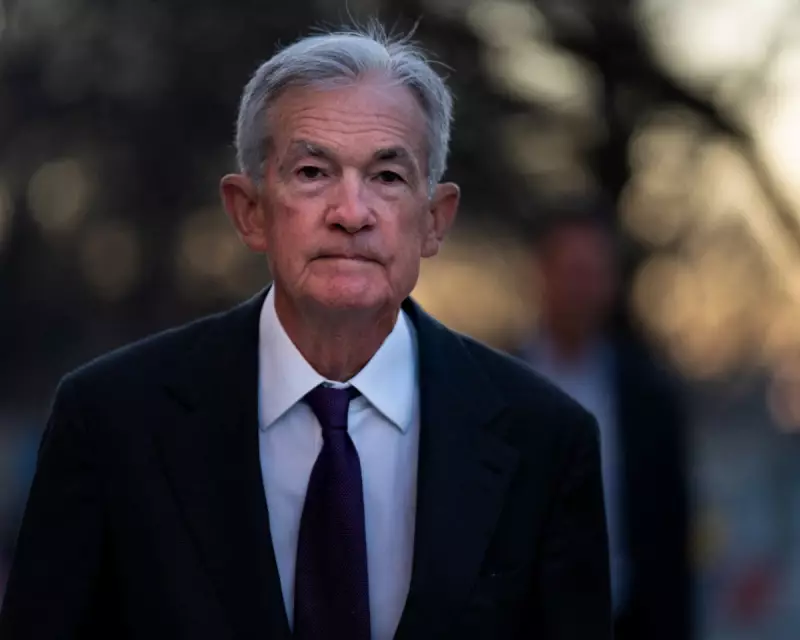
In an extraordinary show of solidarity, the chiefs of eleven central banks have issued a joint statement expressing their support for Jerome Powell, the Chair of the US Federal Reserve. This move comes as former President Donald Trump intensifies a legal and rhetorical assault on America's independent central bank.
The Affordability Blame Game
The Guardian's editorial frames Trump's attack on Powell as a calculated political manoeuvre. With a looming affordability crisis eroding household incomes and threatening Republican prospects in the midterm elections, the former president is accused of seeking a scapegoat for rising borrowing costs. Trump, who once dismissed the cost-of-living crisis as a 'hoax', has now rebranded himself as the 'AFFORDABILITY PRESIDENT'.
However, critics argue this is pure opportunism. Despite controlling the presidency, Senate, and House during his term, the Republican legislative record on tackling the root causes of unaffordability is notably thin. Beyond a major tax cut that largely benefited the wealthy, little was done to address housing supply, childcare, healthcare costs, or wages. In fact, many Republican actions, such as deferring measures to counter sharp rises in health insurance premiums, actively worsened the financial squeeze on millions of Americans.

Substance Versus Spin in Economic Policy
The editorial highlights a stark contrast between political rhetoric and tangible policy. While figures like New York's Zohran Mamdani have gained traction by offering concrete policies on living costs, Trump's approach is characterised as theatrical. His sudden enthusiasm for credit card caps and interventions in the housing market, including a vague promise to ban institutional investors from buying single-family homes, lacks detailed legislation or enforcement mechanisms.
In practice, his administration's policies often entrenched the issues he claimed to oppose. An analysis by Thomas Edsall in the New York Times estimated that Trump's policies – including tariffs – resulted in a 3% hit to median household spending power, costing the average American household about $2,250 in 2025. His administration settled antitrust cases, throttled funding for consumer protections, and extended tax breaks that fuel real-estate consolidation.
A Pattern of Shifting Costs to Voters
The pattern extends beyond economics into environmental policy. A cited example involves instructing the Environmental Protection Agency to stop counting the health benefits of clean air, a move that makes it easier for polluters to cut costs while the public pays the price through poorer health, missed work, and shorter lifespans.
The editorial concludes that Trump's economic strategy does not 'lift all boats' but instead raises tolerance for corruption and pollution that benefits a plutocratic class. By trading in symbolic hostility toward corporate power while promoting policies that entrench it, he ensures affordability remains out of reach for ordinary Americans. This, the piece argues, is why scapegoats – from the Federal Reserve to political opponents – must continually be found, making the support for Jerome Powell from his global peers a significant and timely rebuke.