Gerry Adams Testifies at London High Court to Defend Republican Cause
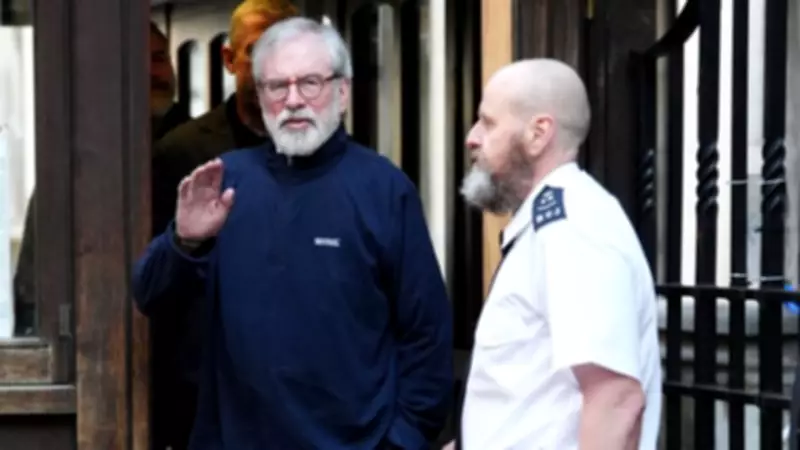
Former Sinn Fein president Gerry Adams has taken the stand at London's High Court, declaring his appearance aims to "assert the legitimacy of the republican cause" while firmly rejecting allegations linking him to three historic IRA bombings. The 77-year-old political figure faces a civil claim brought by three men injured in separate IRA attacks decades ago, who accuse him of having been a senior member of the Provisional IRA during the conflict period.
Adams Denies All Involvement in Bombings
Speaking directly to the court, Adams stated unequivocally: "I came to London to reject the allegations leveled against me. And to assert the legitimacy of the republican cause and the right of the people of Ireland to be free." He emphasized having "no involvement whatsoever" in the bombings in question and maintained he was never a member of the terrorist organization. The former Sinn Fein leader, who served as party president from 1983 to 2018, acknowledged the difficult history many Irish republicans have experienced with British courts while expressing respect for all victims of the conflict.
Three Victims Seek Symbolic Damages
The claimants in this landmark case include:

- John Clark, injured in the 1973 Old Bailey bombing
- Jonathan Ganesh, a victim of the 1996 Docklands bombing
- Barry Laycock, injured during the 1996 Manchester bombing
Notably, the three men are seeking only a token £1 in damages, raising questions about their motivations for pursuing the case after such extensive delays. Adams's legal team, led by Edward Craven KC, argued the claims should be dismissed due to "unprecedented" delays in filing, suggesting the proceedings were being used as a vehicle for a "public-style inquiry" rather than legitimate legal action.
Intelligence Testimony and Political Implications
The trial has heard compelling testimony from former British intelligence officers who asserted Adams's senior position within the IRA was essential to his political effectiveness. One officer testified that Adams "wouldn't have been able to achieve his political wins if he hadn't been in the IRA's army council," while another emphasized that governments would not have engaged with him during peace negotiations "had the defendant not been the senior figure in the IRA that he was."
Anne Studd KC, representing the claimants, countered dismissal arguments by stating the evidence forms a "jigsaw" that proves Adams's senior IRA membership and that her clients have every right to pursue their case. The trial, which is being decided by a judge alone without a jury, represents a significant examination of historical accountability and the complex legacy of Northern Ireland's Troubles.
As the proceedings approach their conclusion, the case highlights ongoing tensions between historical justice, political legacy, and legal accountability in post-conflict societies. The Provisional IRA formally ended its armed campaign in 2005, but this trial demonstrates how the shadows of that conflict continue to reach into contemporary British courtrooms.