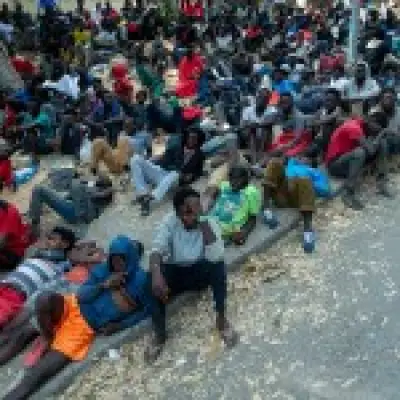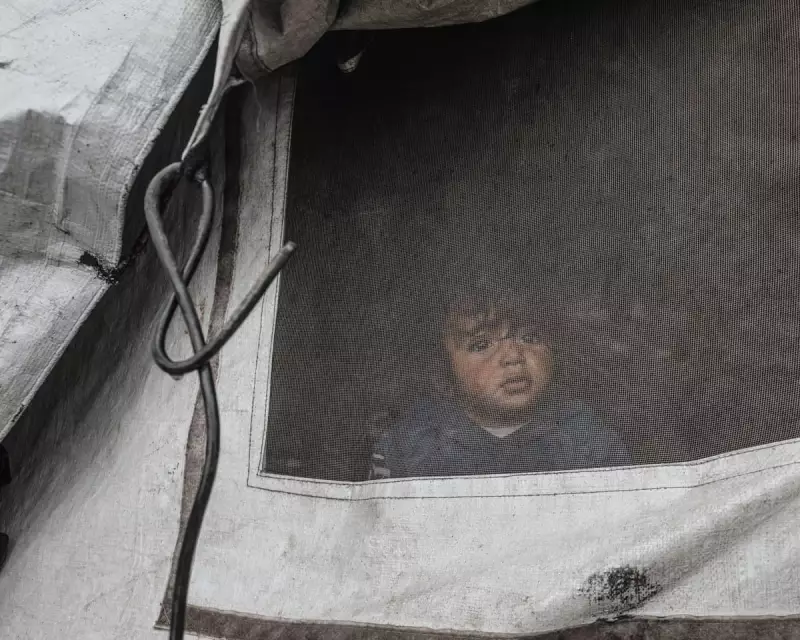
Families in the Gaza Strip are facing a desperate battle for survival this winter, with children reported to be dying from hypothermia, drowning in flooded camps, and perishing in fires as their families attempt to cook in flimsy tents. This unfolding catastrophe comes after more than two years of war that has seen Israel destroy nine out of ten homes, leaving Palestinians exposed to the elements amid the ruins.
Aid Blockades Deepen a Man-Made Disaster
While a recent ceasefire allowed some aid deliveries to resume, staving off a full-blown famine in parts of the territory, the relief is described as wholly insufficient. A staggering 1.6 million people still face acute food insecurity, and the sanitation infrastructure has completely collapsed. Now, the situation is set to deteriorate further after Israel announced it is deregistering 37 international non-governmental organisations (NGOs) operating in Gaza.
These groups, which must cease all operations by 1 March unless they meet new Israeli "security and transparency standards", include some of the world's most respected humanitarian agencies. Among those listed are Oxfam, Médecins Sans Frontières (Doctors Without Borders), and the Norwegian Refugee Council. Israel claims the move is necessary to prevent NGOs from employing staff with links to extremist groups, though it has provided little evidence to support its repeated claims of Hamas infiltrating aid organisations.

International Law and Outrage Ignored
The United Nations human rights chief, Volker Türk, condemned the decision as "outrageous", labelling it part of a pattern of unlawful restrictions on humanitarian access. Israeli NGOs have also warned that the demand for staff lists breaks the core principles of independence and neutrality for aid workers. Given the number of relief workers arbitrarily detained and killed since the war began, the demand for personal details has caused significant alarm.
In a further contradiction, while Israel bars life-saving supplies like tent poles and generators from official humanitarian shipments—claiming they could be used for military purposes—it allows commercial traders to bring such items into Gaza. This has created a situation where ordinary Palestinians suffer immensely, while players inside and outside the territory profit. Reports indicate that US officers in Israel have unsuccessfully urged for key items to be removed from the blacklist.
A Stalled Peace and a Moral Failure
The political landscape offers little hope. In Washington, there appears to be growing frustration with Israeli Prime Minister Benjamin Netanyahu's attempts to stall the peace process. While former US President Donald Trump recently warned there would be "hell to pay" if Hamas did not disarm quickly, he appeared relaxed about Israel's reluctance to withdraw from the half of Gaza it controls.
Far from fully complying with the peace deal, which Palestinians only greeted as a tentative alternative to continued war, Israel's actions are exacerbating the crisis. Ensuring relief to those in desperate conditions is not an act of charity subject to political whims, but a requirement under international law, which demands that parties to a conflict facilitate humanitarian aid.
The UK, Canada, Japan, France and six other nations have jointly warned that the situation is catastrophic. Israel's allies were slowly pushed into acknowledging the carnage in Gaza before; they must not drag their feet again. As Palestinians endure strong winds, heavy rain, and freezing temperatures, the greatest threat to their survival is not the bad weather, but the evident bad faith blocking the path to relief.