Historic Election in Saint-Denis Sparks Racist Backlash
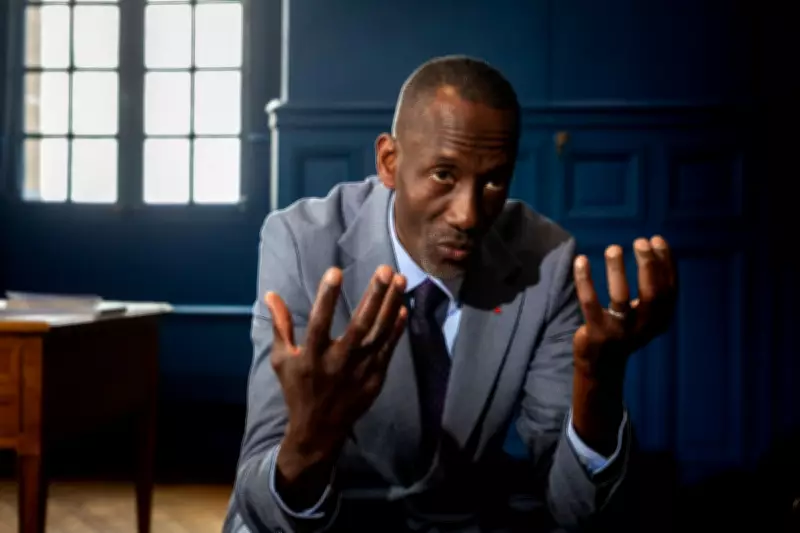
In the 2026 French municipal elections, Bally Bagayoko achieved a remarkable victory, becoming the mayor of Saint-Denis without needing a runoff. This city, located just over 9 kilometers from Paris, is the poorest department in metropolitan France, characterized by high unemployment and social challenges. Bagayoko, leading a leftwing coalition of La France Insoumise and the Communist party, decisively won the second-largest city in the Paris region. For the first time, Saint-Denis, home to 130 nationalities, has a mayor who reflects its community—a native son and child of Malian immigrants.
A New Generation of Politicians Emerges
Bagayoko is part of a broader trend in the Paris suburbs, where municipalities with large populations descended from postcolonial migrants have elected mayors of color. In Seine-Saint-Denis, 13 out of 39 mayors are now people of color, representing various political affiliations. This surge comes at a time when the far right controls more towns nationally than ever before, making these victories a potential sign of a healthy, inclusive democracy.
Celebrations Turn to Controversy
However, the joy in Saint-Denis was short-lived. Media panic quickly followed Bagayoko's win, fueled by false claims spread on social media. He was accused of saying he would make Saint-Denis a "city of Black people," when he actually referenced its historical nickname, "la ville des rois," due to the Basilica of Saint-Denis being the burial site of French monarchs. This misinformation, initially pushed by the far right, gained traction in mainstream media, largely based on assumptions about his skin color.

Racist Attacks and Institutional Failures
Bagayoko, a seasoned politician with a career spanning since 2001, faced vile attacks. On rightwing news channel CNews, a guest compared him to a "primitive tribal chief" and a monkey, leading to a police investigation. Despite the severity of these insults, institutional responses were lacking. Prime Minister Sébastien Lecornu and Interior Minister Laurent Nuñez condemned the attacks only after media pressure, while President Emmanuel Macron offered a vague statement without addressing the specific incidents.
Community Response and Ongoing Challenges
In response, Bagayoko called an anti-racism rally in Saint-Denis, drawing tens of thousands of supporters. Notably, no government officials attended, with Discrimination Minister Aurore Bergé claiming it was "not the role of the state"—a stark contrast to previous state-led marches against antisemitism. Beyond Saint-Denis, other newly elected officials of color have faced similar racist scrutiny, often being treated as illegitimate despite their popular mandates.
Deep-Seated Racial Anxiety in France
The backlash highlights a profound racial panic in France, rooted in colonial history and white supremacy. The issue is not merely the presence of people of color but their access to power. As descendants of colonized people aspire to leadership roles, France grapples with seeing itself as anything other than white. This election cycle has reignited civilisational anxieties, underscoring the urgent need for greater representation and inclusivity in French politics.