Campaigners Battle to Preserve Brixton Police Station's 24/7 Front Counter Access
Lambeth Labour has initiated a vigorous campaign to maintain round-the-clock public access at Brixton Police Station's front counter, opposing proposed reductions in operating hours by the Metropolitan Police. The group argues that the 24/7 service is essential for safeguarding residents, particularly the elderly, vulnerable individuals, and victims who depend on in-person assistance.
Proposed Changes and Community Concerns
Under the Metropolitan Police's plans, Brixton Police Station's front counter would shift from continuous operation to limited hours: 10am to 10pm on weekdays and 9am to 7pm on weekends. This reduction would leave Lewisham and Charing Cross as the nearest 24/7 stations, raising alarms about accessibility for Lambeth residents. The Met cites a budget shortfall of £260 million as the driver behind these changes, which involve closing 18 front counters across London, including 14 currently open 24/7 and four with already reduced hours.
According to the Met, this restructuring aims to save approximately £7 million annually and free up 3,752 hours of police officer time each month for redeployment. However, Lambeth Labour contends that the decision lacks proper consultation with local stakeholders, including residents and the council, and could undermine public safety in a borough with multiple busy town centres and venues.

Local Voices and Economic Impact
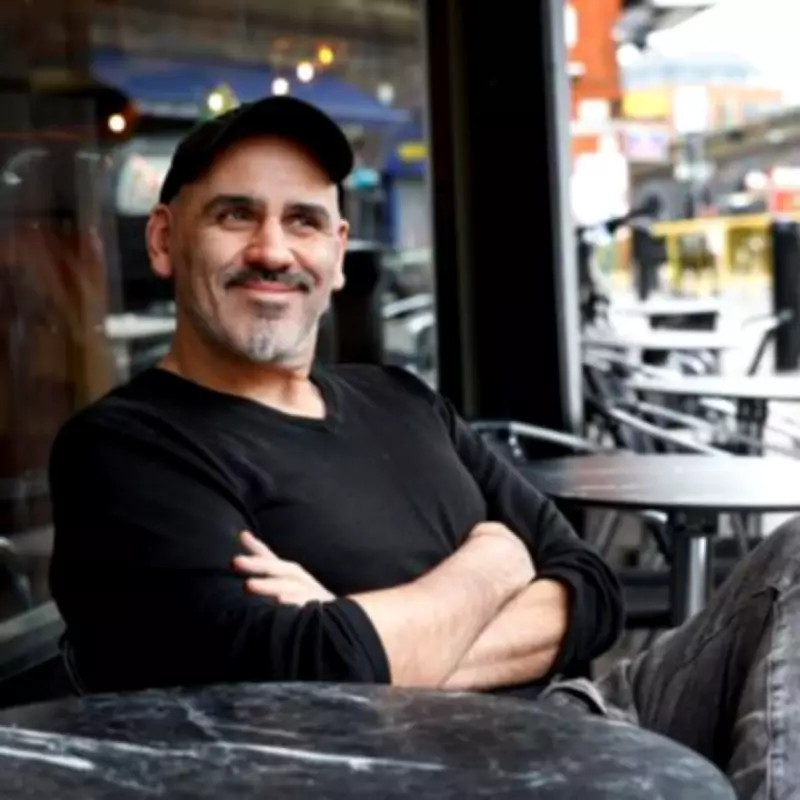
Mario Schifano, owner of San Marino, a longstanding Italian-inspired café and bar in Brixton for 35 years, described keeping the front counter open 24/7 as a "no brainer." He emphasized that safety is crucial for the local economy, stating, "Brixton needs to be an area where the public feel safe because when they feel safe, that means more revenue is coming in, more businesses are opening up, and there's more cash for businesses to spend on staff and employment."
Anne, a long-term resident deeply rooted in the community, echoed these sentiments, highlighting the practical need for physical access. She noted that not everyone can report crimes online, and situations range from finding lost items like wallets to more serious incidents requiring immediate support. "It would be a real, real pity if they cut the hours back," she added, praising the vibrant and intense community spirit in Brixton.
Official Responses and Broader Context
Cllr Mahamed Hashi, Cabinet Member for Safer Communities at Lambeth Council, welcomed recent gains such as extra police officers for Brixton and a decline in violent crime but stressed that now is not the time to limit public access. "This decision affects the whole borough," he said, calling for a serious rethink to ensure Lambeth remains safe and secure.
The Metropolitan Police defended its proposals, pointing out that only 5% of crimes were reported via front counters last year, with just 1% of those occurring at night. At London's busiest front counter, an average of 15 crimes are reported daily, while the least busy sees only 2.5. A spokesperson argued that redirecting resources would allow more officers on the streets, aligning with public demand for visible neighbourhood policing.
A spokesperson for the Mayor of London, Sadiq Khan, reiterated his commitment to safety and support for the Met's efforts to build a "New Met for London" with community-focused policing. They clarified that front counter changes are operational decisions based on resources, funding, and service demand, with ongoing discussions about necessary funding to enhance safety across the city.
As the debate continues, Lambeth Labour's petition seeks to galvanize public support, emphasizing the critical role of accessible police services in fostering a secure and thriving local environment. The outcome will hinge on balancing fiscal constraints with the community's call for sustained, face-to-face support in an area known for its dynamic character and resilience.