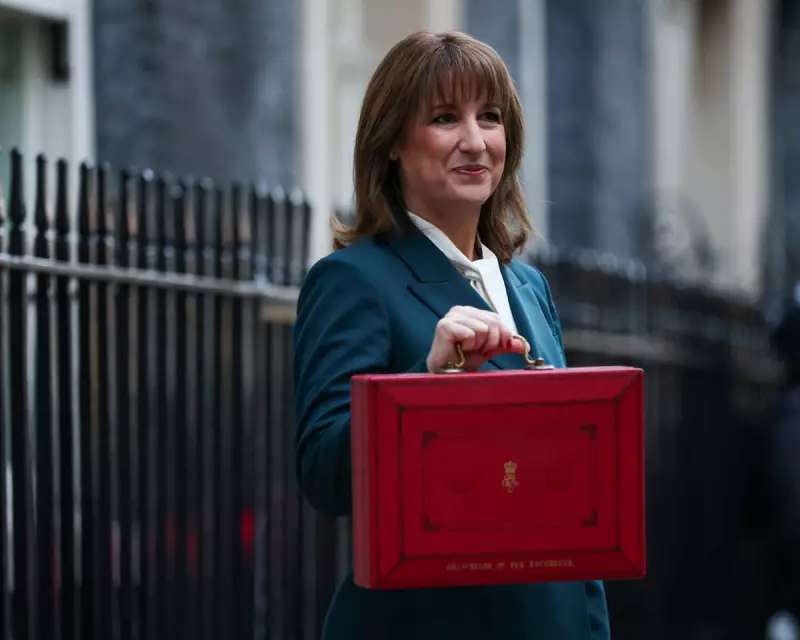
The UK's financial regulator has decided against launching an immediate enforcement investigation into Chancellor Rachel Reeves and the Treasury over controversial briefings made in the run-up to the November budget. However, it has signalled it may revisit the matter depending on the outcome of an internal government inquiry.
FCA Stops Short of Formal Investigation
On Thursday, the Financial Conduct Authority (FCA) issued a statement responding to requests from senior politicians, including Shadow Chancellor Mel Stride. The requests urged the watchdog to probe whether briefings given before the 26 November budget announcement constituted market abuse.
The FCA confirmed it would not commence a formal enforcement investigation at this stage. However, it explicitly stated it had requested the findings of the Treasury's own inquiry into the pre-budget leaks. The regulator said it would consider that information "as appropriate," leaving the door open to potential future action.

Controversy Over Tax U-Turn and Market Sensitivity
The controversy stems from multiple media reports published ahead of the fiscal statement, which detailed measures under consideration. The most significant was a story in the Financial Times revealing that Chancellor Rachel Reeves had abruptly abandoned a plan to raise income tax rates.
Initially, allies of the Chancellor attributed this reversal to improved forecasts from the Office for Budget Responsibility (OBR). This explanation was thrown into doubt when the OBR clarified it had not updated its forecasts for a fortnight prior to the decision. The conflicting narratives led to accusations from the Conservative Party that Treasury officials had deliberately misled journalists in an attempt to influence UK borrowing costs.
Political Fallout and Accusations of "Spin"
In his letter to the FCA, Mel Stride argued that Treasury "leaks and spin" had caused significant market speculation and volatility in the gilt markets. He further claimed the Chancellor had presented an "inaccurate picture" of the economic context, driven by political motives.
The Treasury has launched its own inquiry into the source of the budget leaks, a move which has the Chancellor's support. The findings of this internal probe are now a focal point, as the Financial Conduct Authority will use them to determine if any further regulatory steps are warranted regarding the handling of market-sensitive information.