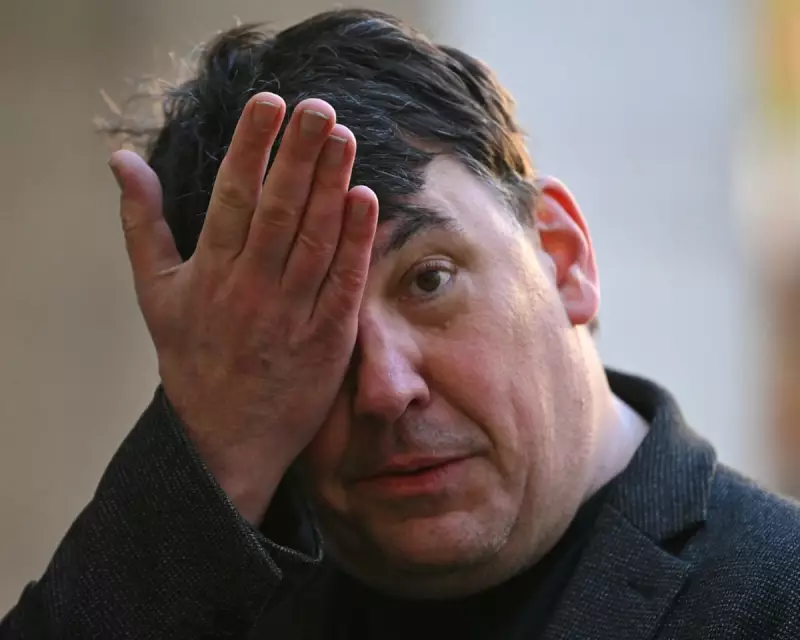
Irish comedy writer Graham Linehan has been cleared of harassing a transgender activist but found guilty of damaging their mobile phone in a case heard at Westminster Magistrates' Court.
Court delivers mixed verdict for comedy writer
The 57-year-old co-creator of hit television series Father Ted appeared before magistrates in London where he faced two separate charges. After hearing evidence, the court acquitted Linehan of harassing transgender activist Sophia Brooks, while convicting him of criminal damage to their phone.
The verdict represents a partial victory for the writer, who has been involved in numerous public debates about transgender issues in recent years. The harassment charge, which could have carried more serious consequences, was dismissed by the court.
Details of the case emerge
While full details of the incident are still emerging, the court heard evidence relating to an altercation between Linehan and Brooks that resulted in damage to the activist's mobile device. The criminal damage conviction relates specifically to this phone incident, though the exact circumstances remain unclear.
Linehan, best known for creating popular comedy series including Father Ted, The IT Crowd and Black Books, has become increasingly vocal about gender identity politics in recent years. His public stance has made him a controversial figure in both comedy and political circles.
Broader context of the case
The case comes amid ongoing national debates about free speech, transgender rights and the boundaries of public discourse in the UK. Westminster Magistrates' Court has frequently handled high-profile cases involving public figures and contentious social issues.
As the writer leaves court with a mixed verdict, questions remain about the implications for both freedom of expression and protection from harassment in increasingly polarised public debates.
The conviction for criminal damage will likely result in sentencing at a later date, while the dismissal of the harassment charge removes what could have been a more serious legal outcome for the comedy writer.