
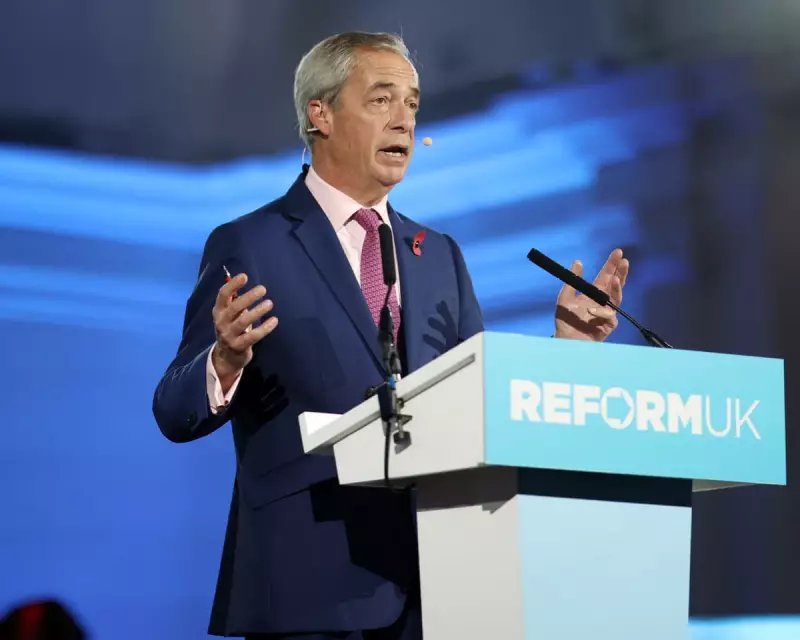
Reform UK's Radical Fiscal Blueprint
Nigel Farage, the leader of Reform UK, has launched a dramatic policy offensive, proposing a sweeping fiscal overhaul that he claims would save the UK Treasury £25 billion per year. The announcement comes just a day after the government faced accusations of adopting the anti-immigration politics of Reform UK, which holds a significant lead in recent opinion polls.
The Three Pillars of the Plan
At the heart of Farage's proposal are three central measures, all targeting non-UK nationals and foreign spending. The plan was detailed in a press conference held by Farage and the party's head of policy, Zia Yusuf.
The first and most substantial measure is the virtual elimination of foreign aid. Reform UK proposes slashing the current annual budget of nearly £14 billion down to just £1 billion.
Secondly, the party aims to remove the right of EU nationals living in the UK to claim benefits, a move they estimate would save £6 billion annually.
The third proposal is to significantly increase the NHS immigration surcharge. The fee, paid by non-UK residents when applying for a visa, would jump from £1,035 to £2,718 per year, generating an estimated £5 billion in savings.
Political Fallout and Labour's Rebuttal
The government's own recent announcement, which suggested potentially seizing valuables from asylum seekers, was described by a Reform official as "vindictive," yet Farage's proposals represent a far more substantial fiscal shift. He is positioning his party to capitalise on the growing force of nationalism in UK politics.
In response, the Labour party issued a sharp critique, though it focused solely on the benefits proposal. A Labour spokesperson stated that removing benefits from EU nationals would breach the post-Brexit trade deal, potentially triggering a trade war with Europe. They accused Farage of promoting "fantasy numbers" that would ultimately leave British taxpayers with a hefty bill and risk higher prices for shoppers.
This confrontation sets the stage for a fierce political battle over immigration and public spending, echoing the contentious debates of the Brexit era.




