Nigel Farage's Trump Friendship Faces Electoral Scrutiny
Nigel Farage and Robert Jenrick appeared at Heathrow Airport yesterday, unveiling a new pledge to eliminate Air Passenger Duty for families on short-haul flights. However, the event revealed something more significant: Farage's determined effort to shift attention away from his longstanding friendship with former US President Donald Trump.
A Delicate Political Balancing Act
For one of Britain's most prominent politicians, avoiding discussion about the world's most controversial leader presents a considerable challenge. During the press conference following the Heathrow photo opportunity, journalists inevitably raised questions about Trump. Farage struggled to characterize the US President, describing him as a tactical genius rather than addressing broader concerns.
"The last thing he's going to do, or the last thing his colleagues in the White House are going to do, is to give the Iranians any idea of what their true intentions are," Farage stated, attempting to explain Trump's ambiguous stance on Middle Eastern military actions.

Historical Ties and Current Consequences
Farage's political colors have been firmly nailed to Trump's mast for nearly a decade, dating back to August 2016 when the then-Republican presidential candidate invited the UKIP MEP to speak at a campaign rally. This longstanding association now faces unprecedented scrutiny as economic pressures mount across Britain.
Inflation rates are climbing once again, petrol and diesel prices have spiked dramatically, anticipated interest rate cuts appear increasingly unlikely, UK growth forecasts have suffered significant setbacks, and energy bills are projected to surge this summer. Many analysts argue that Trump bears substantial responsibility for these economic challenges, particularly following his decision to join Israeli strikes against Iran in late February.
Voter Sentiment and Electoral Implications
A More in Common poll conducted in January revealed that Farage's support for Trump represented the primary reason non-Reform voters cited for refusing to back the party. Crucially, this survey occurred before the recent escalation of tensions with Iran, suggesting that voter concerns may have intensified further.
With campaigns underway for Scottish Parliamentary elections, Welsh Senedd elections, and English local elections, Reform UK is polling strongly across multiple contests. The party's popularity stems largely from its position as a radical alternative to Britain's established political options. However, the performance of incumbent politicians might occupy voters' minds more prominently than the personal relationships of national political figures.
Strategic Considerations for Future Campaigns
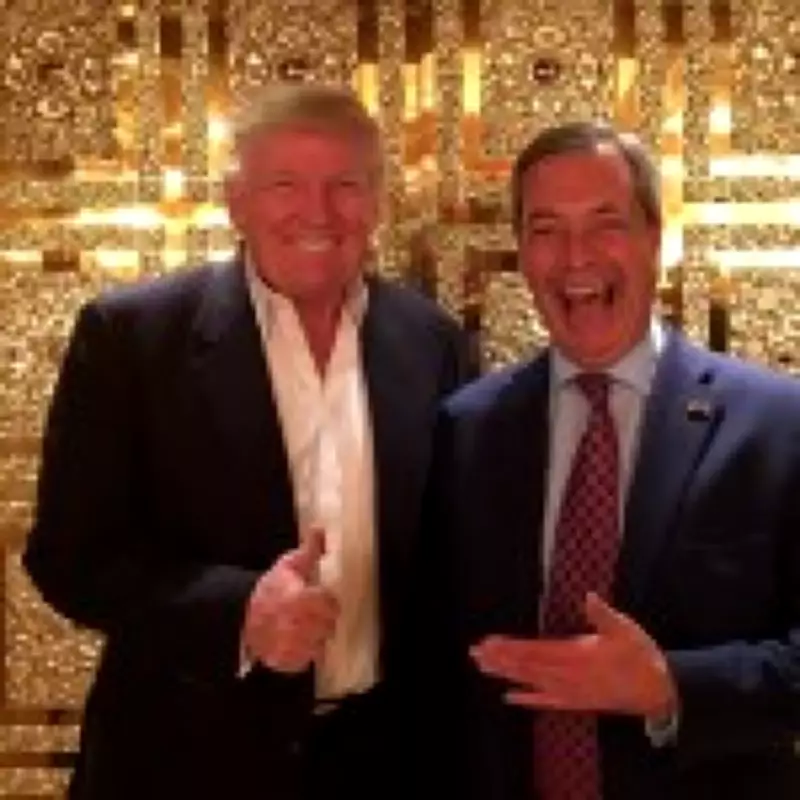
Political strategists suggest that emphasizing Farage's Trump connections could prove more effective during the next general election, scheduled for 2029. By that time, Trump will have concluded his presidential term, potentially reducing the immediate political toxicity of the association. Nevertheless, Farage appears unlikely to stage photo opportunities beside Trump's distinctive golden elevator in the near future.
The political landscape continues evolving as economic pressures mount and international tensions persist. Farage's challenge remains balancing his established political identity with the practical realities of voter sentiment in an increasingly volatile global environment.