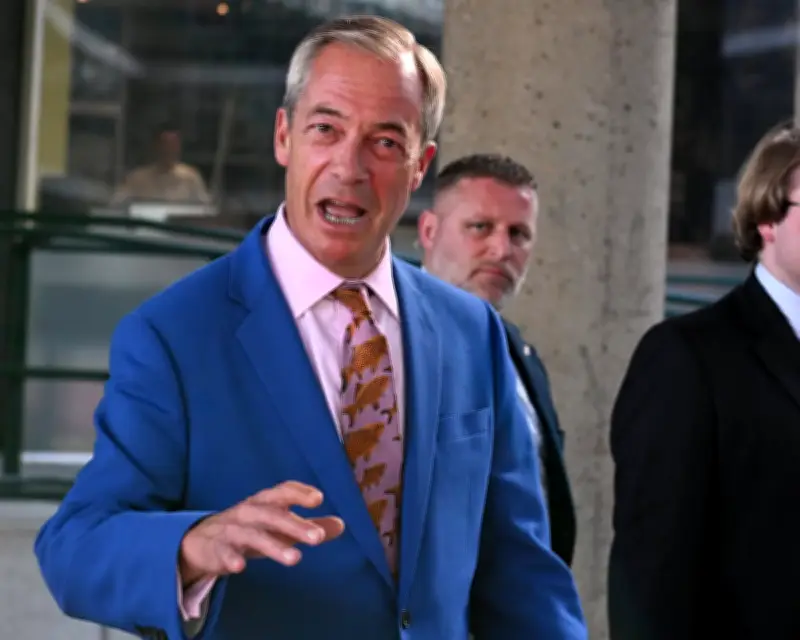
Nigel Farage, the Reform UK leader, has resigned as MP for Clacton and announced he will stand again in a byelection, a move the Guardian editorial board describes as a stunt designed to bypass parliamentary accountability. The decision comes amid an investigation into whether Farage failed to declare a £5m gift from a crypto billionaire before entering parliament, as well as questions over funding from a convicted criminal associate.
Undeclared gifts and criminal links
Farage is under investigation by the parliamentary commissioner for standards over an alleged failure to disclose a £5m gift from a crypto billionaire shortly before he stood for parliament. MPs must declare relevant gifts or donations received in the 12 months before entering the House, though purely personal gifts are exempt. Additionally, Farage faces scrutiny over claims that George Cottrell, a Montenegro-based convicted criminal and longtime associate, helped fund his security and social media operation before the 2024 general election.
A con to avoid recall
The Guardian editorial argues that Farage's byelection gambit is an attempt to pre-empt a potential recall petition. If the parliamentary commissioner finds a breach, the Commons standards committee could recommend a suspension long enough to trigger a recall petition, forcing Farage to face voters as a sanctioned MP. By resigning voluntarily, Farage frames the election as a test of the system rather than his own conduct. According to the editorial, he wants voters to believe that only they should judge him, not the establishment. However, a byelection can only decide who represents Clacton, not whether parliamentary rules, donation declarations, or electoral laws were broken.
Reform UK's authoritarian agenda
The editorial warns that Reform UK is not merely a rightwing protest party but promotes an authoritarian and nationalist programme. Policies include scrapping human-rights constraints to prioritise law-abiding citizens, making asylum claims nearly impossible, taxing migrant workers more heavily, removing equalities safeguards, teaching a patriotic curriculum, and abandoning climate commitments in favour of fossil fuels. The Guardian characterises this as far-right-friendly politics of national purity and grievance.
Labour's response: Burnham's narrative advantage
Andy Burnham, likely to be the next prime minister according to the editorial, must avoid playing into Farage's hands. The Reform leader wants politics reduced to melodrama about himself. Instead, Burnham should focus on making Britain work with decent homes, good jobs, safer streets, and properly funded public services. The editorial notes that Burnham's advantage over Sir Keir Starmer is more narrative than ideological: while Starmer listed achievements and warned voters against Farage, Burnham must tell a story about place, power, and hope, turning devolution into real control and delivery into proof that politics can improve lives. Farage asks the public to choose between the people and the establishment; Burnham should ask who can give people power over their daily lives—and answer that Labour can.