
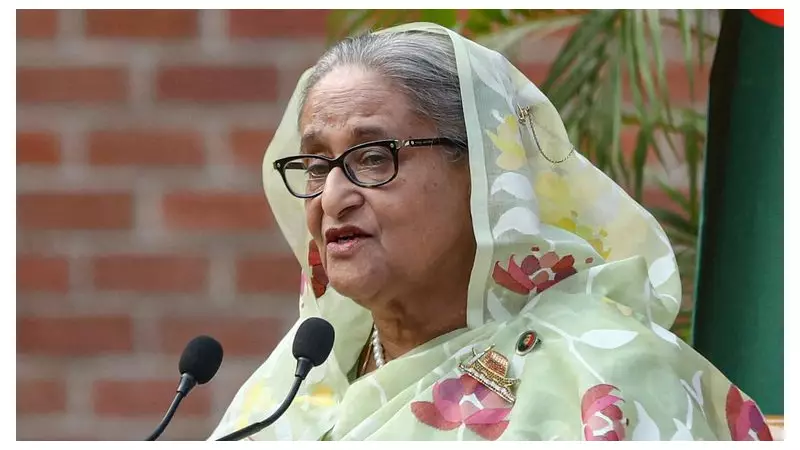
Bangladesh's former prime minister Sheikh Hasina has been sentenced to death after being convicted of crimes against humanity in a landmark verdict that has sent shockwaves through the South Asian nation.
Trial and Verdict Details
The ousted leader, who has been living in exile in India, was tried in absentia by Bangladesh's International Crimes Tribunal. The court found her guilty of ordering a brutal crackdown on student-led protests last year that resulted in massive casualties.
The United Nations estimates that up to 1,400 people may have been killed during the violent suppression of the uprising. Bangladesh's health adviser under the interim government provided slightly lower figures, confirming more than 800 deaths and approximately 14,000 injuries.
Security Measures and Reactions
The verdict was delivered on Monday 17th November 2025 amid extremely tight security arrangements throughout the capital Dhaka. Paramilitary border guards and police units have been deployed across the city and numerous other regions as authorities anticipate potential unrest.
Hasina's political party, the Awami League, has called for a nationwide shutdown in protest against the court's decision. The country had already been experiencing significant tension in the days leading up to the verdict, with security reports indicating at least 30 crude bomb explosions and 26 vehicles set on fire across Bangladesh.
Background and Legal Process
Sheikh Hasina fled to India in August 2024 after completing fifteen years as the country's leader. She is the daughter of Sheikh Mujibur Rahman, the founding father who led Bangladesh to independence.
The prosecution had consistently sought the death penalty throughout the months-long trial process. The International Crimes Tribunal, which operates as Bangladesh's domestic war crimes court, conducted the proceedings from its base in Dhaka.
According to legal experts familiar with the case, the verdict can be appealed in Bangladesh's Supreme Court, providing a potential avenue for legal challenge in the coming weeks and months.




