The European Union has come under fierce criticism following its announcement that it intends to host Taliban representatives in Brussels for diplomatic talks. The move, which the EU frames as a step toward engaging with the de facto authorities in Afghanistan, has drawn sharp condemnation from human rights organizations and Afghan civil society groups.
Plans for diplomatic engagement
According to EU officials, the talks are scheduled to take place in the coming weeks and are aimed at discussing humanitarian access, women's rights, and security concerns. The EU has stressed that the engagement does not imply recognition of the Taliban government, but critics argue that hosting the delegation legitimizes a regime that has imposed severe restrictions on women and girls.
“This is a betrayal of the Afghan people, especially women and girls who have been systematically erased from public life,” said a spokesperson for Amnesty International. “The EU should be using its leverage to demand accountability, not offering a platform to the Taliban.”
Human rights concerns
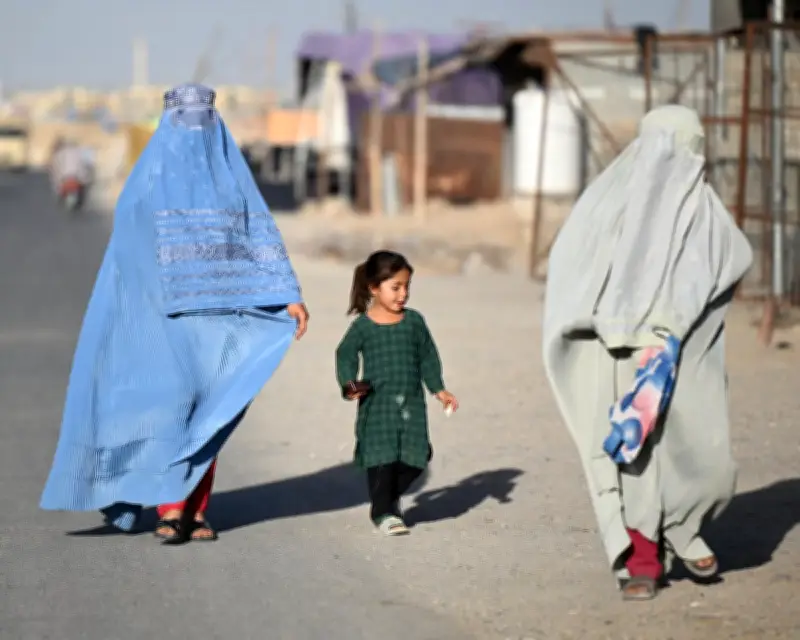
The Taliban has not been formally recognized by any country since seizing power in August 2021. Since then, the group has banned girls from secondary education, barred women from most public sector jobs, and restricted their movement without a male guardian. The EU’s decision to invite the Taliban to Brussels has been seen by many as a normalization of these policies.
“We are deeply disappointed that the EU would choose to engage with a regime that continues to perpetrate gender apartheid,” said a representative from Human Rights Watch. “Any dialogue must be conditional on tangible improvements in human rights.”
Internal divisions within the EU
The move has also exposed divisions among EU member states. Some countries, particularly those with significant Afghan diaspora communities, have expressed strong opposition. “We cannot sit down with those who oppress half of their population,” said a diplomat from one Nordic country, speaking on condition of anonymity.
Others, however, argue that engagement is necessary to address pressing issues such as the humanitarian crisis in Afghanistan, where millions face food insecurity. “We need to talk to the authorities on the ground to ensure aid reaches those in need,” an EU official stated.
Taliban response
The Taliban has welcomed the invitation, describing it as a positive step toward international recognition. “We are ready to discuss all issues, including women’s rights, within the framework of Islamic law,” said a Taliban spokesperson in Kabul. The group has repeatedly called for international legitimacy and has sought to present a more moderate image abroad, though its domestic policies remain harsh.
Critics remain skeptical. “The Taliban has not changed. They are using these talks to buy time and legitimacy while continuing their repression,” said an Afghan women’s rights activist.
Next steps
The EU has not yet confirmed the exact date of the talks, but they are expected to take place before the end of July. The bloc’s foreign policy chief has defended the initiative, stating that “we cannot abandon the Afghan people. Engagement is the only way to push for change.” Whether this strategy will yield results remains to be seen, but the backlash suggests that the EU faces an uphill battle in justifying its approach.