Downing Street Descends into Chaos Ahead of Critical Budget
With a crucial budget just weeks away, Number 10 has found itself engulfed in a political crisis entirely of its own making. Labour MPs are expressing fury as anonymous briefings and leadership speculation threaten to destabilise Keir Starmer's government at the worst possible moment.
The turmoil began when allies of the prime minister decided to address growing whispers about a potential post-budget leadership challenge. Concerns had been mounting among MPs about upcoming manifesto-breaking budget measures, consistently poor polling numbers, and a Downing Street operation that appeared perpetually defensive.
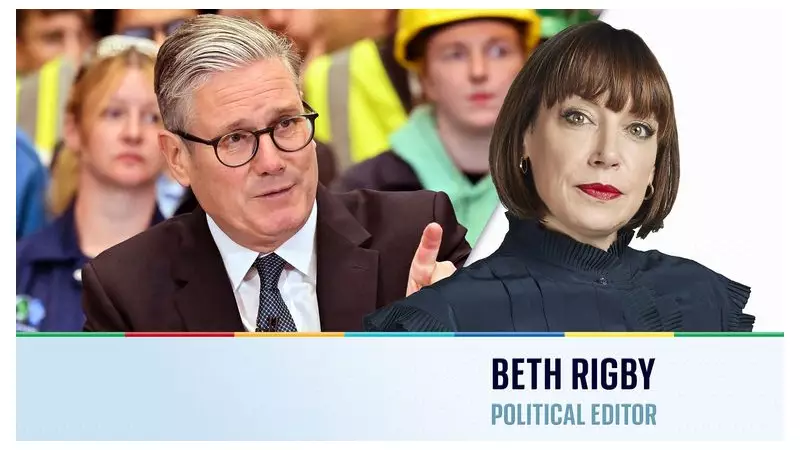
According to political editor Beth Rigby, the prime minister's team made a calculated decision to publicly state that Starmer would fight any leadership challenge rather than step aside. The intention was clear: scare potential rebels into line by highlighting the consequences of a three-month leadership battle that would spook financial markets, create chaos, and further damage the Labour brand.
Briefings Backfire Spectacularly
However, the strategy backfired dramatically when some of Starmer's allies went beyond simply stating the prime minister's determination to stay. They anonymously identified Health Secretary Wes Streeting as the prime suspect in any potential leadership plot, plunging Number 10 into immediate crisis.
The move provoked a swift response from Streeting, who was already scheduled for media appearances ahead of an NHS speech on Wednesday. While he publicly declared his loyalty to Starmer, he also took direct aim at the Number 10 briefers and called on the prime minister to discipline them.
Sources within Downing Street attempted damage control on Wednesday morning, insisting there had been no attempt to brief against the health secretary. Instead, they suggested some of Sir Keir's allies might have "gone too far" in their efforts to demonstrate the prime minister's readiness to fight any challenge.
One Number 10 source expressed "frustration" at how events had unfolded, acknowledging the situation had "got out of control." The same source described Streeting as "doing a good job, is an asset" and highlighted his important speech about protecting NHS spending ahead of the budget.
MPs Furious Over Manufactured Crisis
Labour MPs reacted with anger to the briefings, exasperated that Number 10 had created a mountain out of what many believed was a molehill. Several suggested there hadn't been an active post-budget plot before the briefings, and that the prime minister's team had manufactured a crisis where none existed.
"They've done this before," observed one senior party figure. "They pick a fight of their own making and imply everything is a calamity ahead of a big possible negative, be it the budget or the Batley and Spen by-election [in an effort to get MPs to rally around the PM]."
The source added: "It's worked in the past; I think they have misplayed it this time. They have started a fire they cannot put out."
The prime minister found himself directly embroiled in the fallout during Prime Minister's Questions, where he was forced to defend both his health secretary and his chief of staff, Morgan McSweeney. Conservative MP Kemi Badenoch goaded Starmer over Number 10's "toxic culture" and called for McSweeney's dismissal.
Starmer told his party he "never authorised" briefings against cabinet members and described such actions as "completely unacceptable." However, when his team were later pressed on what concrete action the prime minister would take, they appeared to have no clear answer.
Budget Measures Designed to Calm Rebellion
The crisis comes at an exceptionally difficult time for the government, with Chancellor Rachel Reeves preparing to deliver what could be a manifesto-breaking budget later this month. Number 10 and Number 11 are acutely aware of the challenges ahead.
Current plans involve a combination of tax increases and action on the two-child benefit cap. The government hopes this approach will allow the prime minister to argue that despite breaking manifesto pledges, he is striving to protect society's poorest and working people.
The specific measures under consideration include potentially raising the basic rate of income tax by 2p while simultaneously cutting national insurance contributions for basic-rate taxpayers (those earning up to £50,000 annually). This would generate billions in revenue from higher-rate taxpayers, pensioners, and landlords while offering relief to lower earners.
Simultaneously, the chancellor intends to address the two-child benefit cap, though it remains unclear whether this will involve full or partial removal. These combined measures are designed to calm a restless parliamentary party and prevent panic following the budget announcement.
One informed MP noted that arguments combining tax rises for wealthier workers with increased support for larger families could potentially win support from many Labour MPs.
Leadership Questions Loom Large
The timing of Number 10's decision to address leadership speculation has surprised some observers, given that most discussions about challenging Starmer have been linked to electoral tests scheduled for next May.
One party figure described attempting to remove a Labour prime minister over a Labour budget as "insane and catastrophic," particularly given potential market reactions. They suggested the briefings reflected how "paranoid and out of touch" the Starmer operation had become with the parliamentary party.
Nevertheless, serious concerns persist among senior Labour figures about Starmer's ability to combat Nigel Farage's appeal and whether broken manifesto promises would destroy his chances of securing a second term.
As one senior figure bluntly stated: "Breaking those promises will destroy him. The public won't give him a hearing again. We need a clean skin."
What began as whispered plotting around Westminster has now become front-page news, creating exactly the distraction Starmer didn't need as he prepares for what may prove his most significant test as prime minister. The budget represents a moment of genuine peril—and those who sought to demonstrate loyalty to the prime minister this week have only succeeded in making his position more precarious.