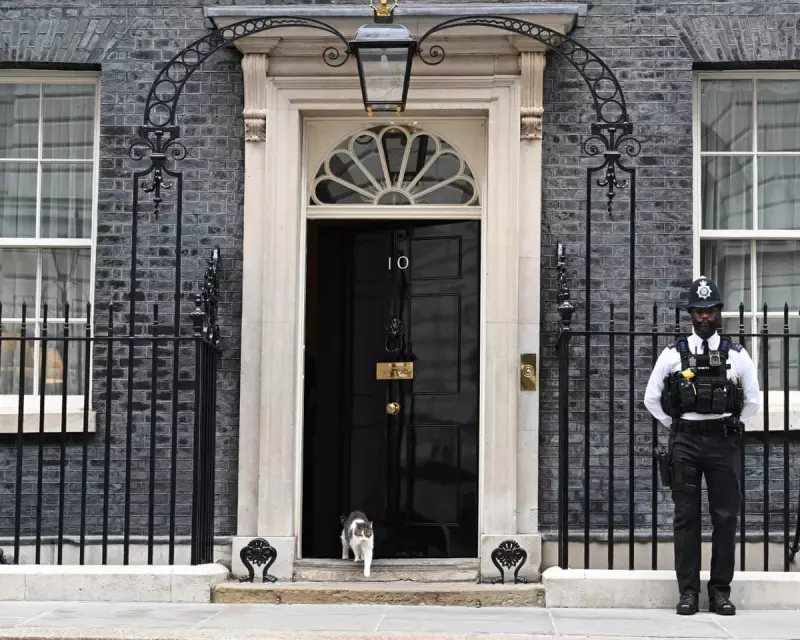
Downing Street has announced a major overhaul of its system for briefing political journalists, a move immediately condemned by the press corps as a significant reduction in government scrutiny and transparency.
Sudden Announcement Sparks Fury
In a surprise email to journalists on Thursday, Tim Allan, Downing Street's executive director of communications, declared the traditional afternoon lobby briefing would be abolished from next month. He stated the current system was "not fit for purpose" in a transformed media landscape.
The lobby system, which allows accredited political journalists to question the prime minister's official spokesperson, traditionally holds two briefings on most days when parliament is sitting. These sessions, held inside 9 Downing Street, are on the record but not broadcast, permitting wide-ranging questioning on any topic.

What Changes Are Being Made?
Under the new plan, the morning lobby briefing will remain but will sometimes be replaced by a press conference. These conferences would feature ministers, or occasionally Prime Minister Keir Starmer, setting out the day's main announcements. They would be open to a broader group, including specialist journalists and social media content creators.
The afternoon lobby session will be scrapped entirely. No 10 proposes replacing it with "occasional" afternoon press conferences with ministers and technical briefings with officials. These would focus on a specific new government announcement.
Tim Allan justified the change by arguing the afternoon lobby had become "very sparsely attended" and often repeated lines from the morning or publicly available stories. He called it a poor use of both journalists' and communications staff time.
Journalists Warn of Reduced Scrutiny
The move was met with immediate and fierce criticism from the lobby journalists' representatives. David Hughes of PA News and Lizzy Buchan of the Mirror, the outgoing and incoming lobby chairs, issued a joint statement expressing profound concern.
"We are greatly concerned by this step and furious that the lobby was not consulted about this move which restricts access and, we fear, scrutiny," they said. They warned that ministerial press conferences would be tightly controlled by Downing Street, which would dictate the timetable and likely choose who asks questions.
They concluded: "None of this bodes well for transparency from a government which came into office promising to raise standards." The core fear is that the informal, persistent questioning of the lobby will be replaced by managed events where difficult topics can be more easily avoided.
Political Reactions and the Future
The opposition was quick to seize on the controversy. Conservative leader Kemi Badenoch pledged that a future Tory government would restore the afternoon briefings, accusing Keir Starmer of "running scared." She asserted: "This is a Labour government that hates scrutiny and blames everyone else for its failings."
The restructuring marks a fundamental shift in how the UK government interacts with the political media. While No 10 frames it as a modernisation for the digital age, the journalistic community sees it as a potentially dangerous retreat from direct, daily accountability.