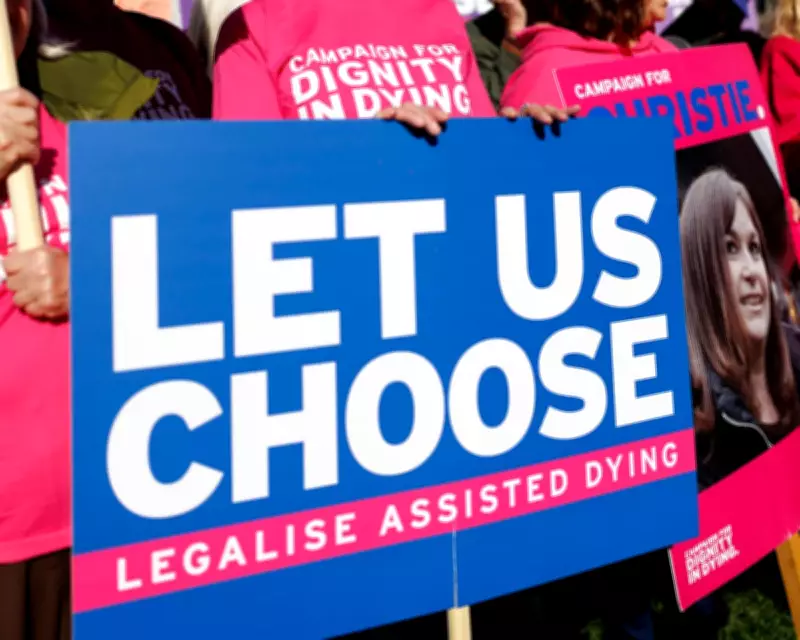
CPS Examines 13 Suspected Assisted Dying Cases as Parliamentary Bill Faces Deadline
Prosecutors in England and Wales are currently reviewing thirteen cases of suspected assisted dying, according to the latest official data released by the Crown Prosecution Service (CPS). This development occurs amidst intense parliamentary debates over proposed legislation that could legalise assisted dying, though the bill is at risk of expiring due to time constraints.
Historical Data and Prosecution Trends
The CPS reported that between April 1, 2009, and March 31 of this year, police have referred 209 cases recorded as assisted dying to prosecutors. This marks an increase from the 199 cases referred by the end of March last year. Of these 209 cases, prosecutors did not proceed with 131, while police withdrew 42. Over the past two decades, only six cases of encouraging or assisting dying have resulted in successful prosecutions, with two cases leading to charges but acquittals after trial.
Additionally, eight cases were referred for prosecution under charges of homicide or other serious crimes rather than the specific offence of assisted dying. The CPS emphasised the complexity and sensitivity of these cases, noting on its website that conduct can range from situations where victims are pressured to end their lives to actions driven entirely by compassion.

Legal Framework and Public Interest Factors
Under the Suicide Act 1961, encouraging or assisting the suicide or attempted suicide of another person remains illegal in England and Wales. The CPS has established guidance for prosecutors that includes specific public interest factors that may favour or oppose prosecution. These factors help navigate the tragic circumstances often surrounding such cases, balancing legal obligations with compassionate considerations.
Parliamentary Context and Bill Progress
The latest data emerges as the Westminster bill proposing to legalise assisted dying continues to be debated in Parliament. The Terminally Ill Adults (End of Life) Bill, which passed the House of Commons last year, has undergone days of discussion in the House of Lords. However, it appears likely to run out of time to become law if it does not complete all parliamentary stages before the current session concludes in the coming weeks.
The bill would allow terminally ill adults who have been residents in England and Wales for at least twelve months to apply for an assisted death, subject to approval from two doctors and an expert panel. Its potential failure highlights the ongoing legislative challenges in addressing this contentious issue.
Personal Accounts and Campaign Perspectives
Following the publication of the CPS figures, Dave Sowry, a board member of the pro-change campaign group My Death, My Decision, shared his personal experience. He accompanied his wife to the Dignitas clinic in Switzerland and faced a police investigation upon returning home, describing the ordeal as adding "additional stress and jeopardy" to an already difficult situation. Sowry questioned the societal implications, asking, "What sort of country do we live in where accompanying someone who has made a personal choice at the end of their life results in such additional stress and jeopardy?"
In contrast, the organisation Care Not Killing, which opposes changing the law, has argued that the political priority should focus on enhancing hospice care rather than legalising assisted dying. They stated, "The political priority must be to give patients a genuine choice through world-class hospice care, not turning doctors into executioners because fixing palliative care is too difficult and costly. As we have repeatedly said, we urgently need much more care, not killing."
Support Resources and Broader Implications
For those in distress, support is available through various helplines. In the UK and Ireland, Samaritans can be contacted on freephone 116 123, or via email at jo@samaritans.org or jo@samaritans.ie. In the United States, individuals can call or text the 988 Suicide & Crisis Lifeline at 988 or chat online at 988lifeline.org. In Australia, the crisis support service Lifeline is available at 13 11 14. Other international helplines can be found at befrienders.org.

The ongoing debate over assisted dying reflects deep societal divisions, with legal, ethical, and personal dimensions continuing to shape public policy and individual experiences in England and Wales.