High Court Rejects Plea to Search for Murder Victim's Remains
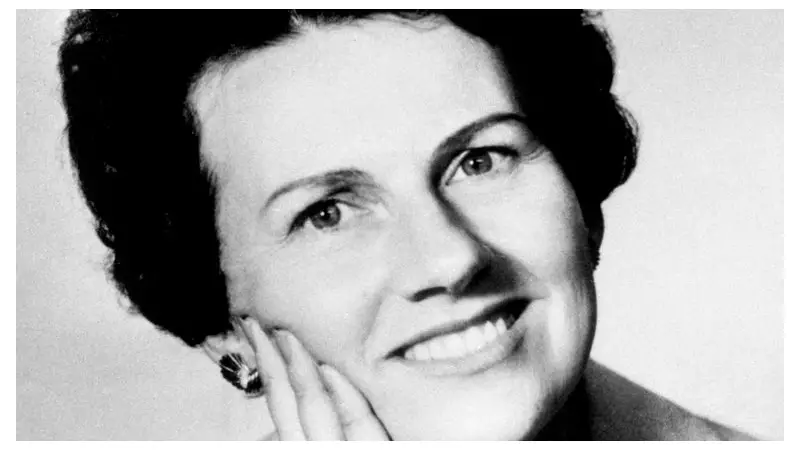
The children of Muriel McKay, a woman murdered in one of Britain's most notorious kidnapping cases, have lost their legal battle to conduct radar scans of a London garden where they believe her remains are buried.
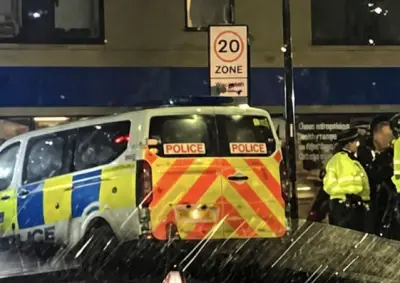
In a ruling delivered on Tuesday 25 November 2025, the High Court denied an injunction that would have allowed a ground-penetrating radar survey at two neighbouring properties in Bethnal Green Road.
A Case of Mistaken Identity
The tragic story dates back to December 1969, when Muriel McKay, the wife of newspaper executive Alick McKay, was kidnapped from her Wimbledon home. The abductors demanded a £1 million ransom, then an enormous sum.
In a cruel twist, it was revealed to be a case of mistaken identity. The kidnappers, brothers Arthur and Nizamodeen Hosein, had actually intended to seize Anna Murdoch, the wife of Alick's then boss, media mogul Rupert Murdoch.
The Hosein brothers were convicted of Mrs McKay's murder and kidnapping 55 years ago, but despite extensive searches, her body was never recovered.
Family's Desperate Search Meets Legal Hurdle
Two of Mrs McKay's children, Ian McKay and Dianne Levinson, brought the case to the High Court, hoping modern technology might finally provide answers about their mother's final resting place.
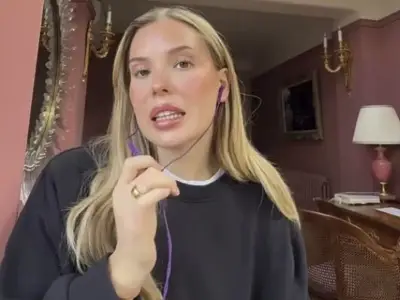
Their application was supported by new testimony from Hayley Frais, whose father ran a tailor shop on the site where Arthur Hosein worked at the time of the killing. Ms Frais claimed her father said on his deathbed that he noticed a strong smell at the premises after Mrs McKay disappeared.
However, Justice Richard Smith, while acknowledging Mrs McKay was the victim of an abhorrent crime, said he had to consider the case objectively and dispassionately.
The judge stated: I was not persuaded that even if a survey was carried out, that it would be conclusive one way or the other, that it would produce incontrovertible data.
He added that the evidence of Mrs McKay's remains being at the premises seemed thin.
Homeowner Rights Versus Family's Quest
One of the affected homeowners, Madeleine Higson, opposed the injunction through her representative Callum Reid-Hutchings.
He argued the survey would constitute a significant intrusion into her private space and her right to peaceful enjoyment of her home, adding that his client had considerable sympathy for the family but the injunction lacked a proper legal foundation.
The court also heard that Ms Higson had endured borderline harassment and significant distress from the victim's family and Mrs McKay's grandson, Mark Dyer.
This included repeated attempts to gain access to the property through false representations. Justice Smith said he would also have refused the injunction based on this egregious conduct, which included threats, deception, dishonesty, lies, bullying and harassment.
The judge remarked: It seems to me in their desperation to find an answer to what has happened to Muriel's body, the claimants and Mr Mark Dyer have lost a sense of perspective and also respect for the interests, concerns and safety of others who are perceived to stand in the way of their campaign.
Speaking ahead of the verdict, Mr Dyer had said: We've been told she's there... so we need to pick her up. She would like to come home for Christmas this year.
The ruling represents another heartbreaking chapter for a family that has sought closure for more than half a century, while highlighting the complex balance between a family's grief and the rights of current homeowners.