Foreign Secretary Backs Starmer's Iran Strategy as Learning from Iraq
Foreign Secretary Yvette Cooper has robustly defended Prime Minister Keir Starmer's approach to the escalating Iran conflict, stating he is actively "learning lessons" from the Iraq War in his response strategy. Her comments come following critical remarks from former Prime Minister Sir Tony Blair and renewed attacks from former US President Donald Trump.
Cooper Responds to Blair's Private Criticism
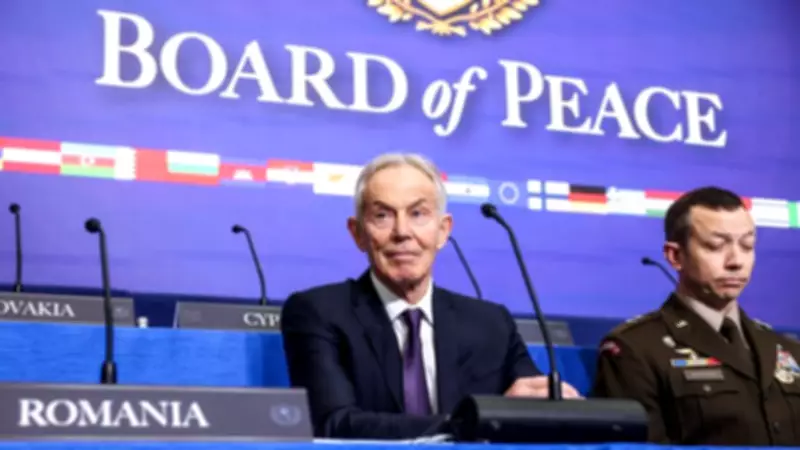
Speaking exclusively to Sky News' Sunday Morning with Trevor Phillips, Cooper addressed reported comments from Sir Tony Blair, who allegedly told a private gathering that Starmer should have backed Donald Trump's initial offensive against Iran from the beginning. "I think the point is to make sure that actually we learn the lessons from some of the things that went wrong in Iraq," Cooper stated emphatically.
She continued: "And I think that is exactly what Keir Starmer has done. To make sure we've got military action taking place as we speak to defend countries that are facing Iranian strikes, because that is in the British national interest. But we don't do things that are not in the British national interest."

Sources indicate Blair's comments were made at a private event not intended for public dissemination. A spokesperson for the former Labour leader subsequently claimed he had not directly criticized or rebuked the current prime minister.
Trump's Continued Criticism and Social Media Diplomacy
The foreign secretary's defense follows another round of criticism from Donald Trump, who last week branded Starmer "no Winston Churchill" for initially denying US requests to launch strikes against Iran from the joint US-UK Diego Garcia base. While Starmer later granted permission for defensive use of British facilities against Iranian missile sites, Trump renewed his attacks overnight.
On his Truth Social platform, the former president wrote: "The United Kingdom, our once Great Ally, maybe the Greatest of them all, is finally giving serious thought to sending two aircraft carriers to the Middle East. That's OK, Prime Minister Starmer, we don't need them any longer - But we will remember. We don't need people that join Wars after we've already won!"
Diplomatic Style Differences Highlighted
When questioned about why the UK government wasn't directly confronting Trump over his comments, Cooper highlighted fundamental differences in diplomatic approach. "If you want to conduct diplomacy through social media, that's one thing, that is not our style," she asserted.
The foreign secretary elaborated on the contrasting political methodologies: "Sir Keir's style of doing politics is obviously very different and actually the British character more widely is to do things in a serious and steady way." She declined to specify when Starmer last communicated with Trump, maintaining the government's preference for traditional diplomatic channels over public confrontations.
Strategic Calculations in Middle East Engagement
Cooper's defense underscores the government's calculated approach to Middle East involvement, particularly in light of historical precedents. The reference to Iraq War lessons suggests a deliberate avoidance of repeating what many consider foreign policy mistakes, including premature military commitments and inadequate post-conflict planning.
The current administration appears to be navigating a complex geopolitical landscape where historical alliances face new pressures, while maintaining what Cooper describes as "serious and steady" British diplomatic traditions. This approach contrasts sharply with the more confrontational, media-driven diplomacy exemplified by Trump's recent statements.
As tensions continue in the region, the Starmer government's response will likely continue to emphasize measured, interest-based calculations over rapid military escalations, informed by what Cooper characterizes as hard-learned lessons from previous conflicts.