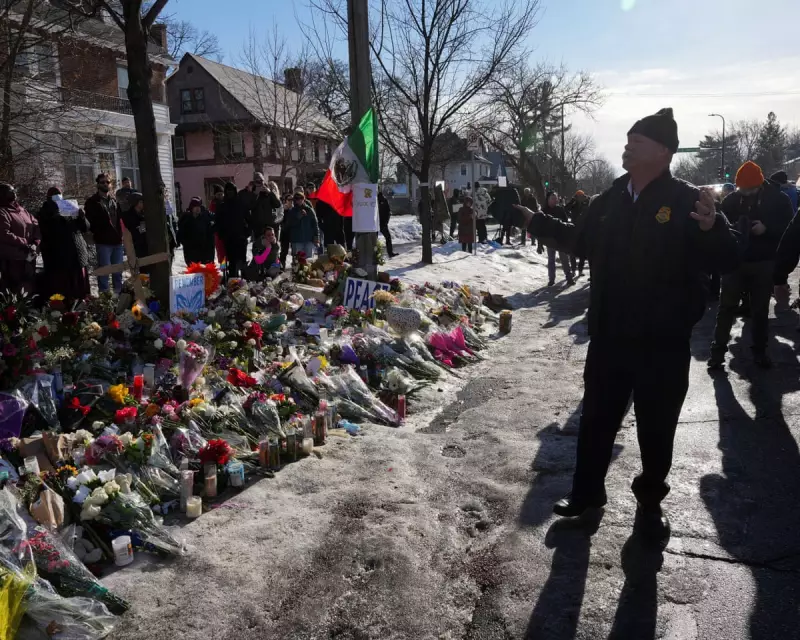
In a significant political development, Congresswoman Robin Kelly has initiated a direct challenge to the Trump administration's perceived culture of lawlessness by filing three articles of impeachment against Homeland Security Secretary Kristi Noem. The move comes in the wake of the controversial killing of Renee Nicole Good in Minneapolis.
A Symbolic Stand Against Executive Impunity
While the Republican Party's control of both the Senate and the House makes a successful conviction unlikely, analysts argue the impeachment effort is far from merely performative. It represents a critical attempt by Democratic lawmakers to interrupt a prevailing narrative of impunity that has characterised the administration. The administration has consistently signalled, from the pardoning of January 6 insurrectionists onwards, that loyalty to Donald Trump's agenda guarantees protection from consequences.
This dynamic has created a political environment where scandals and misdeeds follow each other with such speed that public and media focus becomes fragmented. A formal impeachment process, however, has the power to concentrate national attention and slow this relentless news cycle, forcing a sustained examination of official conduct.

The Charges and the Political Context
Congresswoman Kelly's articles accuse Secretary Noem of three specific high crimes and misdemeanours: willfully obstructing congressional oversight, directing unconstitutional actions, and abusing her office for personal benefit. This combination is strategically chosen, as it highlights the twin engines of the administration's approach: the consolidation of power through extra-legal means and the removal of ethical restraints for personal gain.
The context of the killing of Renee Nicole Good has been particularly revealing. Instead of a unified call for a transparent investigation, Trump-aligned figures, notably JD Vance, rushed to spread disinformation about the victim and falsely asserted that ICE officers possess "absolute immunity." This rhetoric reinforces a dangerous message to American citizens: that there is no recourse against state agents who misbehave.
Why Impeachment Matters Beyond the Vote
Legal scholar Jan-Werner Müller argues that a primary function of this impeachment effort is to create an official, truthful record. "Lies that go unopposed tend to stick," he notes, pointing to the relentless rewriting of the history of January 6 as a political loyalty test. An impeachment proceeding forces every member of Congress to go on record regarding their stance on killings with impunity and the erosion of constitutional oversight.
Furthermore, the violent and dehumanising rhetoric emanating from the Department of Homeland Security itself—including advertising campaigns with Nazi iconography—cannot be dismissed as irrelevant aesthetics. This language fosters an environment where cruelty becomes systemic and state agents may feel empowered to act like unaccountable paramilitaries.
The imperative for the political opposition, therefore, is to frame the issue clearly for the public. It must spotlight symbolic moments, such as the refusal of ICE agents to allow a doctor to aid Renee Nicole Good or a DHS agent kicking over memorial candles. A robust opposition, as the GOP demonstrated in its impeachment of Alejandro Mayorkas, uses such tools to shape public narrative and demand accountability, even when immediate removal from office is improbable.